


1998 Dodge Intrepid Relays
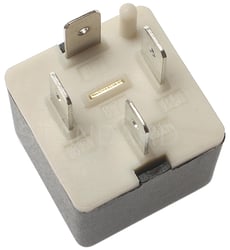

What Are Automotive Relays and Why Do They Matter?
Automotive relays are among the most quietly essential components in any modern vehicle's electrical system. A relay is an electromagnetic switch that uses a small, low-amperage control signal — typically from the ECU or ignition switch — to open or close a separate, high-amperage power circuit. This clever design means that sensitive electronics like the ECU never need to handle the heavy current loads demanded by components such as fuel pumps, cooling fans, or fuel injectors. Instead, the relay acts as an intermediary, keeping the vehicle's electrical architecture safe, efficient, and reliable.
In practice, relays are found throughout the engine bay and cabin, governing everything from fuel delivery to engine idle control. When you turn the ignition key, for example, a relay briefly activates the fuel pump to prime the system — and once the engine is running, continuous control is handed off to ECU logic. Without a properly functioning relay, that chain of events breaks down entirely, often resulting in a no-start condition, intermittent stalling, or erratic engine behavior.
Types of Relays in This Category
This category spans several critical relay types, each serving a distinct role in engine and fuel system management:
- Fuel Pump Relays — The most commonly replaced relay type, the fuel pump relay controls electrical power to the fuel pump, ensuring consistent fuel pressure and delivery from the tank to the engine.
- Fuel Cut-Off Relays — Designed to interrupt fuel delivery under specific conditions (such as a collision or engine-off event), fuel cut-off relays are a key safety component in many fuel systems.
- Fuel Injection Relays — These relays enable the ECU to precisely control the power supply to the fuel injectors, supporting accurate fuel metering and efficient combustion.
- Engine Fast Idle Relays — Used primarily on older and cold-start-sensitive engines, fast idle relays help manage elevated idle speeds during warm-up cycles, protecting the engine and emissions systems.
Signs of a Failing Relay
Because relays are electromechanical devices subject to heat, vibration, and current cycling, they do wear out over time. Common symptoms of a bad relay include no sound from the fuel pump when the ignition is turned on, intermittent or hard starting, sudden engine shutdown while driving, and visible burn marks or corrosion on the relay terminals. When diagnosing a suspect relay, a simple swap test with an identical relay from the same fuse box is often the fastest way to confirm the fault.
Top Brands in Automotive Relays
Choosing a quality replacement relay matters — a substandard part can introduce the same symptoms you were trying to fix. Here are the leading brands available in this category:
- Original Engine Management (OEM) — a leading relay brand in this category, Original Engine Management specializes in engine management and electrical components engineered to meet or exceed OE specifications, making them a trusted choice for professional technicians and enthusiasts alike.
- VEMO — A well-regarded European-market specialist, VEMO produces OE-quality electrical components with a strong focus on precise fitment and durability, particularly for European vehicle applications.
- Standard Motor Products — With one of the broadest relay catalogs available, Standard Motor Products has been a cornerstone of the automotive electrical parts market for decades, offering wide vehicle coverage and reliable performance.
- Painless Wiring — Best known in the performance and custom wiring space, Painless Wiring offers relay solutions tailored for hot rods, race builds, and custom vehicles where clean, dependable electrical integration is paramount.
- Bosch — A global leader in automotive technology, Bosch relays are found as original equipment on countless vehicle platforms worldwide, bringing decades of engineering expertise to every replacement part.