


1997 Eagle Vision Sensors
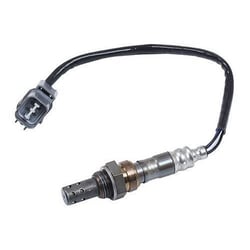

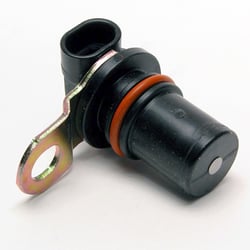


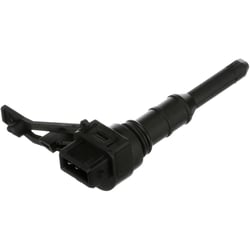

What Are Automotive Sensors and Why Do They Matter?
Modern vehicles rely on an extensive network of electronic sensors to monitor, regulate, and protect nearly every system on board. Automotive sensors act as the eyes and ears of your vehicle's electronic control units (ECUs), continuously collecting real-time data on speed, acceleration, rotational forces, light levels, and more. Whether your car is navigating a sharp curve, encountering sudden rain, or absorbing the force of a collision, its sensors are working to keep every system — from the powertrain to the safety restraints — operating precisely as intended.
A failed or degraded sensor can trigger warning lights, cause erratic transmission or engine behavior, disable safety features like airbags or stability control, and ultimately compromise both drivability and occupant protection. Understanding the different types of sensors and choosing quality replacements is essential for any repair or maintenance job.
Explore Key Sensor Categories
The sensor category spans a wide range of applications across the vehicle. Here are some of the most important subcategories to know:
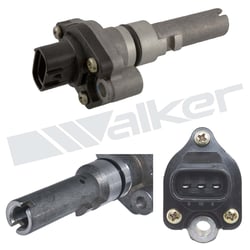
- Vehicle Speed Sensors — One of the most critical sensors on any vehicle, the vehicle speed sensor feeds data to the transmission control module, ABS system, cruise control, and speedometer. A faulty unit can cause harsh shifting, ABS faults, and inaccurate speed readings.
- Air Bag Impact Sensors — These sensors detect sudden deceleration forces consistent with a collision and signal the airbag control module to deploy the appropriate restraints. Accuracy and reliability are paramount — a compromised sensor can mean the difference between airbag deployment and none at all.
- Light and Rain Sensors — Mounted typically near the rearview mirror, these sensors automate wiper speed and headlight activation by detecting moisture on the windshield and ambient light conditions, improving driver comfort and visibility.
- Stability Control Vehicle Turn Rate Sensors — Also known as yaw rate sensors, these measure the vehicle's rotational movement around its vertical axis. They are a core input for electronic stability control (ESC) systems, helping prevent skids and rollovers by modulating braking and throttle response.
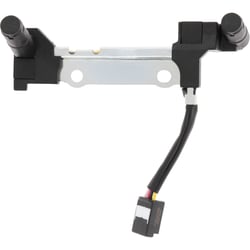
- Tachometer Sensors — These sensors monitor engine or drivetrain rotational speed and relay that information to the instrument cluster and engine management system, helping ensure proper shift timing, idle control, and ignition timing.
Top Brands in Automotive Sensors
Choosing a trusted brand matters when it comes to sensors — quality of materials, calibration accuracy, and fit all affect how reliably a sensor performs over time. Here are the leading brands available:
- ACDelco — GM Genuine Parts and ACDelco OE are the exact OEM components installed during vehicle assembly, while ACDelco parts also represent premium aftermarket components validated by General Motors for both GM and non-GM vehicle platforms. For GM vehicles in particular, ACDelco sensors are frequently the gold standard for fit and reliability.
- Dorman — Dorman's OE Solutions line is well known in the aftermarket for offering a broad catalog of sensor replacements across virtually every make and model, making them a go-to source when OEM parts are discontinued or hard to source.
- Standard Motor Products — Standard Motor Products offers a diverse line of advanced automotive sensors for applications such as pressure, temperature, speed, particulate matter, and many more, available in numerous materials, sizes, outputs, and connection options. Their depth of catalog coverage makes them a strong choice for import and domestic vehicles alike.
- VEMO — VEMO specializes in OE-quality sensors and electrical components for European vehicles, with a particular strength in German makes like BMW, Mercedes-Benz, Audi, and Volkswagen, where precision tolerances are especially critical.
- Genuine — Genuine OEM sensors are sourced directly from the vehicle manufacturer's supply chain, offering exact-match fitment and performance that mirrors what was originally installed on the vehicle at the factory.
What to Look for When Buying a Replacement Sensor
When shopping for a replacement sensor, start by confirming the part is a direct fit for your year, make, and model. OEM or OEM-equivalent sensors typically offer the best calibration accuracy, while reputable aftermarket brands can provide solid performance at a lower cost. Always verify connector type and wiring harness compatibility, and for safety-critical sensors like airbag impact sensors or stability control turn rate sensors, prioritize quality over price — these components directly influence life-safety systems.