


1996 Eagle Vision Motors, Core, Case and Related Components







What Are Motors, Core, Case & Related HVAC Components?
The motors, cores, cases, and related components category encompasses the essential parts that keep your vehicle's heating, ventilation, and air conditioning (HVAC) system functioning properly — working together to regulate cabin temperature, defrost windows, and ensure passenger comfort in all weather conditions. Whether you're battling a frigid winter commute or a sweltering summer drive, these parts are the unsung heroes operating quietly behind your dashboard.
How These Components Work Together
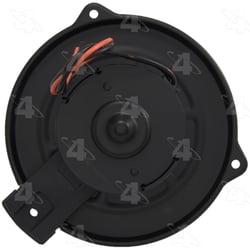
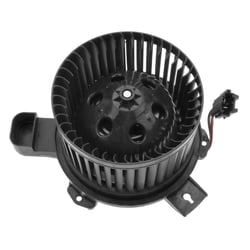
The HVAC blower motor serves as the heart of air circulation, using an electric motor and fan assembly to push air through the ventilation system at various speeds — and when this motor fails, you'll notice reduced airflow or complete loss of heating and cooling function. When the HVAC system is set to heat, the air from the blower motor is directed across the heater core and into the cabin to warm things up; when the A/C is on, that same airflow passes across the evaporator to cool things down.
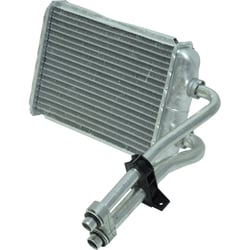
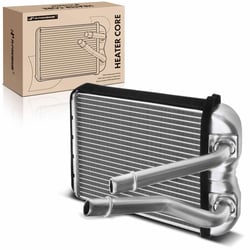
The HVAC heater core acts as a miniature radiator, transferring heat from engine coolant into the passenger compartment — making it essential for winter driving and windshield defrosting. The heater core must receive consistent hot coolant; restricted flow or internal blockage reduces output regardless of blower strength.
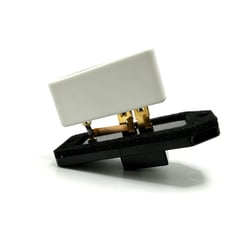
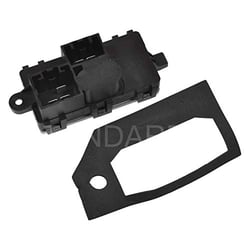
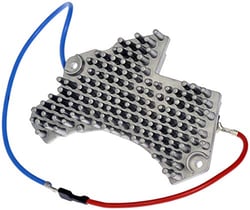
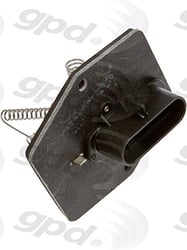
Other major components associated with the blower include fuses, relay, and resistor — the blower motor relay switches power to the motor using a low current signal, while the HVAC blower motor resistor allows for speed variation. The HVAC heater fan motor and HVAC blower motor wheel round out the system, ensuring the right volume and direction of air reaches every corner of the cabin.
Why These Parts Matter for Safety and Comfort
HVAC system failures go beyond mere comfort issues — they can impact safety and vehicle operation. A malfunctioning heater core can cause coolant leaks inside the cabin, creating fog on windows and potential overheating problems, while failed blower motors leave drivers without defrosting capability, creating dangerous visibility issues in cold or humid weather. Keeping these components in top condition is as much about road safety as it is about staying comfortable.
Top Brands in Motors, Core, Case & Related Components
Sourcing quality parts from trusted manufacturers ensures long service life and a proper fit. Here are the leading brands in this category:
- Four Seasons — A widely recognized name in automotive thermal management, Four Seasons offers an extensive catalog of blower motors and HVAC components engineered to meet or exceed OEM specifications across a broad range of makes and models.
- ACDelco — As General Motors' original equipment supplier, ACDelco brings OEM-grade engineering to its HVAC parts, making it a go-to choice for GM vehicle owners seeking factory-quality heater cores and blower motors.
- Motorcraft — Ford's own parts brand, Motorcraft delivers precise-fit HVAC components designed specifically for Ford, Lincoln, and Mercury vehicles, ensuring seamless integration and reliable performance.
- Nordyne — A specialist in HVAC systems with a strong reputation in both automotive and residential applications, Nordyne produces robust motors and core components built for demanding thermal environments.
- Spectra — Spectra Premium is well regarded for its heater cores and HVAC parts, offering comprehensive coverage and quality construction that appeals to both professional technicians and DIY enthusiasts.
What to Consider When Shopping This Category
When replacing any HVAC motor, core, or case component, confirm exact vehicle fitment by year, make, model, and engine size. Consider whether the part is a direct OE replacement or an aftermarket upgrade. For blower motors, check whether the replacement includes the fan cage (wheel) or whether it must be sourced separately — the HVAC blower motor wheel is often a separate line item. For heater cores, inspect hose connection sizes and tank material (aluminum vs. plastic-tank) to ensure a leak-free installation.