


1996 Dodge Intrepid Sensors








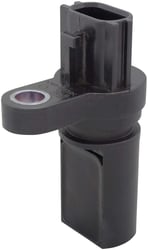

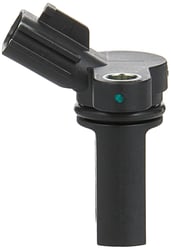
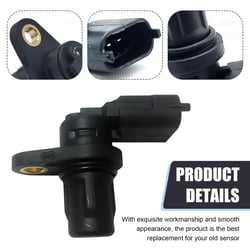
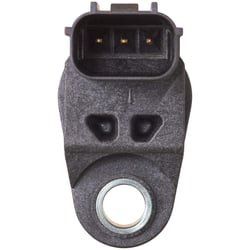





Why Engine Sensors Matter
The crankshaft position sensor is one of the two most important sensors in modern-day engines, together with the camshaft position sensor. Together, crank and camshaft sensors work together to control the mechanical ballet that is ignition timing and valve operation in modern engines. Without accurate, real-time data from these components, your engine's control unit is essentially flying blind.
What Engine Sensors Do
The functional objective for the crankshaft position sensor is to determine the position and/or rotational speed (RPM) of the crank. Engine Control Units use the information transmitted by the sensor to control parameters such as ignition timing and fuel injection timing. Meanwhile, the camshaft position sensor is strictly focused on the camshaft, which dictates the opening and closing of the engine's valves — providing data so the ECU can control valve timing with great accuracy, especially in engines equipped with variable valve timing (VVT) technology.
These sensors measure the position and speed of the camshaft and crankshaft, including whether they are speeding up or slowing down. The PCM uses this information to control engine timing, helping optimize efficiency, power, and torque. Because these sensors process information in real time, even the slightest delay or inaccuracy can affect performance, sometimes without even triggering the Check Engine Light.
Signs of a Failing Sensor
A failing or malfunctioning camshaft position sensor or crankshaft position sensor can lead to drivability issues. You may have problems starting the vehicle, it might crank but not turn over, or the engine may stall or stutter. As the fuel injection or spark ignition is usually timed from the crank sensor position signal, a failing sensor will cause an engine not to start or will cut out while running.
Explore Sensors by Type
Our sensors catalog covers every major position-sensing application in your engine. The most critical category is the Engine Crankshaft Position Sensor, which directly governs ignition and fuel injection timing. Closely related, the Engine Camshaft Position Sensor works in tandem with the crank sensor to optimize valve timing and cylinder firing sequences. For performance and racing builds, the Ignition Crank Trigger Kit provides a complete aftermarket trigger system for precise timing control, while individual Ignition Crank Trigger Sensors allow targeted replacement of worn trigger-sensing components. Rounding out the lineup, the Engine Crankshaft Position Sensor Interrupter addresses the reluctor ring and interrupter hardware that feeds the sensor its timing signal.
Top Brands in Engine Sensors
Mopar Performance leads this category with OEM-engineered sensors built specifically for Chrysler, Dodge, Jeep, and Ram applications — ensuring a precise factory fit and calibration for those platforms. ACDelco is the go-to OEM supplier for General Motors vehicles, offering sensors that meet original GM specifications for reliable, plug-and-play replacement. DENSO brings advanced sensor engineering to the category: DENSO MRE sensors feature a pair of MREs on an Integrated Circuit chip — a unique design that is extremely accurate even just after an engine is started, and is positioned closer to the rotating gears, making it almost 10 times more sensitive than Hall element type sensors. Spectra offers a broad range of direct-fit camshaft and crankshaft sensors at competitive price points, making them a popular choice for cost-conscious DIYers who don't want to sacrifice fit or quality. Finally, Standard Motor Products rounds out the lineup with one of the widest application coverages in the business — their cam and crank sensor program includes more than 880 applications, making it easy to find the right sensor for virtually any domestic or import vehicle.
Replacement Tips
Modern engines use VVT systems with multiple camshafts, which means a typical DOHC engine can have 2–4 camshaft position sensors as well as one crankshaft position sensor. If one sensor fails, the other sensors may also be near the end of their service life — so it's a good practice to replace camshaft and crankshaft position sensors together. In many cases, after replacing the crankshaft position sensor, it is important for the technician to use a scan tool to perform a CKP Sensor Relearn so the PCM can recalibrate itself and properly read the new sensor.