


1995 Eagle Vision A/C Condenser and Evaporator







How Your Vehicle's A/C Condenser and Evaporator System Works
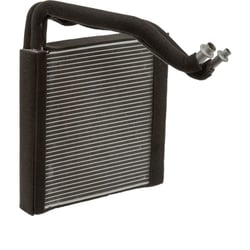
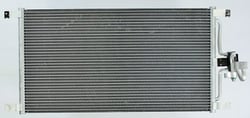
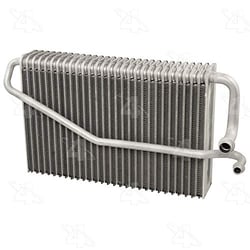
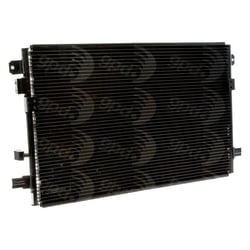
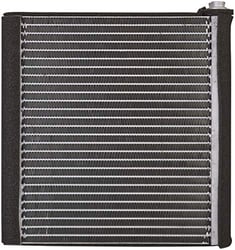
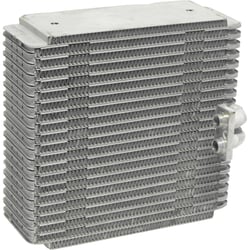
A comfortable cabin on a hot day depends on two critical heat-exchange components working in concert: the A/C condenser and the A/C evaporator. Together, these parts form the backbone of your vehicle's or HVAC system's refrigeration cycle. The condenser — typically mounted at the front of the vehicle — dissipates heat from the refrigerant after it has been compressed, converting it from a hot gas back into a liquid. The evaporator, located inside the dashboard or air handler, does the opposite: it absorbs heat from cabin air, allowing the refrigerant to evaporate and producing the cool, dry air that blows through your vents. When either component fails, the result is warm air, reduced airflow, or a system that can't maintain pressure at all.
Subcategories: Finding the Right Component
This category covers the full spectrum of condenser and evaporator hardware. The A/C Condenser is the most commonly replaced piece — aluminum construction makes it vulnerable to road debris and corrosion over time. If your system blows warm air or shows signs of refrigerant loss, the condenser is often the first place to look. The A/C Evaporator Core sits deeper in the dash and is responsible for absorbing cabin heat; a leaking or clogged core can cause musty odors, reduced cooling efficiency, or foggy windows.
Cooling the condenser itself requires dedicated airflow components. The A/C Condenser Fan Motor drives the fan that pulls air through the condenser when the vehicle is stationary, while the A/C Condenser Fan Assembly packages the motor, blade, and shroud into a ready-to-install unit. For systems that rely on a blower to push air across the evaporator or through a duct, the A/C Condenser Blower Assembly provides the necessary airflow management — a category especially relevant to HVAC and manufactured housing applications.
Top Brands in A/C Condensers and Evaporators
Universal Air Conditioner (UAC) is a dedicated automotive A/C specialist. Founded in 1988 with the objective of providing quality automotive air conditioning parts at reasonable prices , UAC offers one of the broadest aftermarket catalogs available, covering condensers, evaporators, and related components for cars, trucks, and off-road vehicles.
DENSO brings genuine OEM pedigree to every part it produces. DENSO is the largest manufacturer of automotive A/C equipment in the world , and its aftermarket condensers and evaporator cores are built to the same specifications as the parts originally installed on the vehicle. DENSO condensers match up to OE condensers at every benchmark, offering multiflow, subcooling, and serpentine styles, with premium aluminum construction that resists corrosion and a superior fin wave design for higher heat transfer.
Nordyne is a major force in the residential and commercial HVAC world. Now operating as Nortek Global HVAC, Nordyne is a long-established manufacturer of heating and cooling equipment for residential replacement, new construction, manufactured housing, and commercial applications. Their condenser coils, evaporator coils, blower assemblies, and fan motors are relied upon by HVAC contractors across the country.
Spectra is a well-regarded aftermarket supplier with broad vehicle coverage and a reputation for direct-fit replacement condensers and evaporator cores that simplify the repair process for both DIYers and professional technicians.
ACDelco is General Motors' own parts brand, offering OE-quality condensers and evaporator components engineered for precise fitment on GM vehicles. For owners of Chevrolet, Buick, GMC, Cadillac, and other GM platforms, ACDelco parts represent the gold standard for factory-spec replacement.
What to Consider When Shopping
- OEM vs. Aftermarket: OEM-sourced brands like DENSO and ACDelco guarantee exact fitment; quality aftermarket brands like UAC and Spectra offer broad coverage at competitive price points.
- Material and Construction: Look for all-aluminum construction in condensers for corrosion resistance and lightweight performance.
- Fan Motor or Full Assembly? If the motor has failed but the blades and shroud are intact, a standalone fan motor saves cost. If the assembly shows physical damage, opt for a complete fan assembly.
- Application Type: Verify whether the part is designed for an automotive application or a residential/commercial HVAC system — fitment requirements differ significantly between the two.