


1995 Dodge Intrepid Control Modules
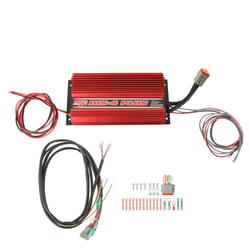

What Are Control Modules?
Control modules are the electronic brains behind your vehicle's ignition and combustion systems. These compact but critical components manage the precise timing, voltage, and sequencing required to fire spark plugs, monitor flame detection, and safeguard your engine against unauthorized starts. Whether you're restoring an aging daily driver, chasing horsepower on the track, or replacing a failed OEM unit, the right control module is fundamental to reliable engine operation.
Modern engines depend on control modules to coordinate signals from crankshaft sensors, camshaft position sensors, and the vehicle's ECU to deliver spark at exactly the right moment. A failing or degraded module can lead to hard starts, misfires, rough idling, poor fuel economy, or a no-start condition — making timely replacement essential.
Explore Control Module Subcategories
This category covers a broad range of electronic control components designed for ignition and combustion management:
- Ignition Control Modules — The most common replacement item in this category, these modules regulate the primary ignition circuit, controlling dwell and spark timing to keep your engine running efficiently.
- Ignition Performance Modules — Designed for enthusiasts and racers, performance modules optimize spark delivery for maximum power output and throttle response beyond stock specifications.
- Ignition Immobilizer Modules — A key component of modern vehicle security systems, immobilizer modules prevent unauthorized engine starts by disabling the ignition unless the correct transponder key is detected.
- Ignition Control Module Harnesses — Wiring harnesses designed to connect your control module cleanly to the ignition circuit, ensuring proper signal transmission and minimizing the risk of shorts or corrosion-related failures.
- Combustion Detection Modules — Used in heating systems and gas-fired equipment, these modules monitor burner flame presence to ensure safe, controlled ignition across a range of applications.
Top Brands in Control Modules
ACDelco is the leading name in this category, offering modules that serve as direct OEM replacements for GM vehicles. ACDelco Gold Ignition Control Modules are a high-quality alternative to OE parts, featuring electronically welded lead connections to reduce heat stress and a copper slug heat sink to help dissipate heat and create a more stable operating environment.
Fenwal Controls is a specialist in gas ignition and combustion control technology. Fenwal designs and manufactures industry-leading, agency-approved critical control products, serving OEMs in HVAC, commercial cooking, medical, RV, industrial equipment, fire protection, and many other markets. Their microprocessor-based modules deliver consistent ignition timing, built-in diagnostics, and safe operation in demanding commercial and residential applications.
MSD is the go-to brand for performance-minded builders and racers. As innovators of the first multiple-spark discharge ignition control box, MSD has continued to redefine ignition technology , offering modules with high-output energy, precise timing control, and reliable performance for street, strip, circle track, or off-road applications.
Dorman brings its hallmark aftermarket engineering to the control module category, providing replacement solutions for a wide range of vehicle makes and models — often at a more accessible price point than dealer-sourced OEM parts.
Procom rounds out the top brands, with a focus on gas appliance and heating system ignition controls, making them a strong choice for combustion-related module replacements in non-automotive applications.
What to Consider When Shopping for a Control Module
When selecting a control module, fitment accuracy is paramount. Always verify compatibility with your vehicle's year, make, model, and engine type. For OEM replacements, look for modules that meet or exceed original factory specifications. For performance applications, consider what gains you're targeting — whether that's a higher rev limit, improved spark energy, or programmable timing curves. And don't overlook the harness: a new module paired with a damaged or corroded connector harness can introduce the same symptoms as the failed module itself.