


1994 Eagle Vision Switches



Understanding HVAC Switches: The Nervous System of Your Climate Control
Whether you're restoring comfortable cabin temperatures after a sweltering summer drive or diagnosing a climate system that just won't cooperate, HVAC switches are at the heart of it all. These components act as the nervous system of your vehicle's or equipment's heating, ventilation, and air conditioning system — sensing conditions, relaying commands, and protecting hardware from damage. Without properly functioning switches, even the most powerful HVAC hardware is rendered unreliable.
This category spans a broad range of switching and sensing components, from the user-facing controls on your dashboard to the precision pressure and limit switches buried deep within the HVAC assembly. Each plays a distinct role, and understanding the differences can save time, money, and frustration when diagnosing climate control problems.
Key Subcategories of HVAC Switches
The Switches category breaks down into several important subcategories, each addressing a specific function within the HVAC system:
- HVAC Control Panels — The primary interface between the driver and the climate system, these panels house the switches, knobs, and electronic modules that set fan speed, temperature, and airflow direction. A faulty control panel can cause erratic behavior, unresponsive controls, or total loss of climate function.
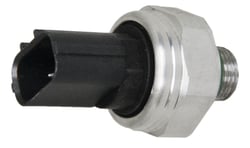
- HVAC Pressure Switches — These switches monitor refrigerant pressure within the A/C system and cut power to the compressor if pressure falls outside a safe range, preventing costly compressor damage. They are a critical line of defense in any air conditioning system.
- HVAC Pressure Transducers — Similar to pressure switches but outputting a continuous analog or digital signal, pressure transducers give the vehicle's control module real-time pressure data for more precise system management and diagnostics.
- HVAC Control Switches — Individual switches that govern specific HVAC functions — such as blower motor speed or A/C engagement — these are common wear items that degrade with repeated use over time.
- HVAC Limit Switches — Found in heating systems, limit switches act as safety cutoffs that shut down the heat source if temperatures exceed safe thresholds, protecting both the system and the vehicle's occupants.
Top Brands in HVAC Switches
Choosing a reputable brand matters when it comes to switches — a substandard component can cause intermittent faults that are notoriously difficult to diagnose. Here are the leading names in this category:
- ACDelco — As one of the most trusted names in OEM-grade replacement parts, ACDelco offers an extensive lineup of HVAC switches engineered to meet original equipment specifications, making them a go-to choice for reliable, direct-fit replacements.
- Johnson Controls — A global leader in building and vehicle climate systems, Johnson Controls brings deep engineering expertise to its HVAC switch offerings, particularly for commercial and fleet applications.
- Carrier — Renowned for HVAC innovation, Carrier produces a wide range of pressure switches and control components designed for durability and precision across a broad spectrum of climate systems.
- Rheem-Ruud — Known for robust construction and wide compatibility, Rheem-Ruud's switch lineup is especially well-regarded in heating system applications, including limit switches and control components.
- Four Seasons — A specialist in thermal management, Four Seasons offers a comprehensive catalog of HVAC switches and sensors built to restore original system performance across a wide range of vehicle makes and models.
What to Consider When Shopping for HVAC Switches
When replacing any switch in your HVAC system, always verify compatibility with your specific make, model, and year. Pay attention to whether the component is an OEM-spec replacement or an upgraded aftermarket part. For pressure switches and transducers in particular, matching the correct pressure rating is essential — installing the wrong spec can cause the system to behave erratically or fail to protect the compressor. When in doubt, cross-reference part numbers or consult a repair manual for your application.