


1994 Eagle Vision Sensors







The Role of Sensors in Modern Vehicle Climate & Air Systems
Sensors are the nervous system of your vehicle's climate control and air management systems. Far from simple switches, today's automotive sensors form a sophisticated feedback network that continuously monitors temperature, pressure, air quality, and refrigerant conditions — feeding real-time data to your vehicle's control modules so adjustments can be made instantly. Whether your car is maintaining a precise cabin temperature on a sweltering afternoon or automatically blocking exhaust fumes from entering the cabin in heavy traffic, there's a sensor behind every decision.
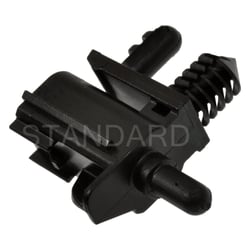
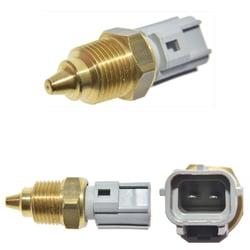
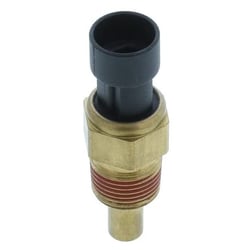
HVAC Temperature Sensors are the workhorses of automatic climate control. Automatic Temperature Control (ATC) systems require a complex array of internal and external sensors that include ambient air temperature sensors, interior temperature sensors, outlet duct and evaporator temperature sensors, pressure sensors, humidity sensors, blend door position sensors, and sunload sensors. When a driver dials in a target cabin temperature, all of these sensors collaborate to translate that single number into the right blend of blower speed, door position, compressor cycling, and airflow direction.
HVAC Gaseous Pollutant Sensors play a critical role in cabin air quality. These sensors can prevent harmful gases and unpleasant odors from entering the cabin when the vehicle is sitting in heavy traffic, passing through congested areas, or driving through tunnels — signaling the fresh air inlet flap to close automatically when undesirable substances are detected. Closely related, Ambient Air Quality Sensors monitor the broader air environment around the vehicle, while Ambient Air Temperature Sensors continuously track outside air temperature to give the HVAC module the reference data it needs to fine-tune interior comfort.
The A/C Refrigerant Pressure Sensor is another critical component, monitoring the pressure within the air conditioning circuit so the system can protect the compressor, optimize cooling efficiency, and prevent damage from operating outside safe pressure limits. A failing refrigerant pressure sensor can result in poor cooling performance, compressor shutdowns, or diagnostic trouble codes that send you to the shop unnecessarily.
Sensor degradation is a real concern: sensor performance can degrade over time, causing malfunctions and inaccurate readings that often trigger fault codes in the HVAC module. Replacing a worn sensor with a quality part is frequently the most cost-effective way to restore proper climate system operation.
Top Sensor Brands
URO Parts leads this category with a strong lineup of sensors engineered specifically for European luxury vehicles including BMW, Mercedes-Benz, Audi, and Porsche. URO develops replacement sensors as a cost-effective, high-quality alternative to dealer-priced OEM components, with manufacturing facilities that are IATF 16949 QMS certified.
Honeywell brings its deep industrial sensing expertise to the automotive HVAC space, offering sensors built for precision, reliability, and integration into complex electronic systems. Honeywell designs sensors for temperature, pressure, and environmental gas monitoring — making it a natural fit for gaseous pollutant and HVAC sensor applications.
ACDelco is General Motors' trusted OEM parts brand, offering sensors that meet factory specifications for GM vehicles — a go-to choice for owners of Chevrolet, GMC, Buick, and Cadillac platforms. Motorcraft plays the same role for Ford, Lincoln, and Mercury owners, delivering direct-fit sensor replacements engineered to Ford's exact OEM standards. Standard Motor Products rounds out the lineup with one of the widest-coverage aftermarket sensor catalogs available, offering reliable replacement parts across a broad range of domestic and import vehicles.