


1964 Chevrolet Impala Brake Hydraulics


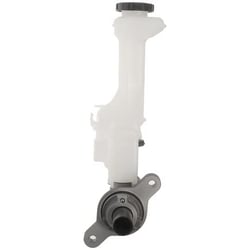






Right Stuff Detailing DBMC51C Chrome Master Cylinder 1-1/8" Bore Disc/Drum

Right Stuff Detailing DBMC01 Disc/Drum Master Cylinder 1.125 in Bore Dual Reservoir
Understanding Brake Hydraulics: The Force Behind Every Stop
Brake hydraulics are the backbone of every modern vehicle's stopping system. Hydraulic pressure is what transforms the light force of your foot on the brake pedal into thousands of pounds of clamping force at each wheel — a feat of physics that makes safe, reliable stopping possible at any speed. Whether you're maintaining a daily driver, restoring a classic, or building a dedicated race car, understanding the hydraulic side of your brakes is essential to keeping your vehicle safe and performing its best.
How Brake Hydraulics Work
When the brake pedal is depressed, the brake master cylinder converts that mechanical force into hydraulic pressure by pushing fluid through sealed lines to each corner of the vehicle. Brake hydraulic lines carry that pressurized fluid to the calipers or wheel cylinders, where it is converted back into mechanical clamping or pushing force against the friction material. A failure anywhere in this closed hydraulic circuit — a corroded line, a worn master cylinder, a failing accumulator — can dramatically reduce braking effectiveness or cause complete brake failure.
Beyond the master cylinder and lines, the hydraulic system includes a range of supporting components found in hydraulic brake system parts, such as proportioning valves, brake hoses, wheel cylinders, and seals. For vehicles with ABS or power-assisted braking, a brake pressure accumulator stores pressurized fluid to ensure consistent pedal feel and rapid response. For builds requiring a single unit to handle both braking and clutch actuation, a brake and clutch master cylinder assembly provides an elegant, space-saving solution popular in racing and performance applications.
Key Considerations When Shopping Brake Hydraulics
- Bore size matters: A smaller bore creates higher line pressure with less pedal effort, while a larger bore moves more fluid and reduces pedal travel — a critical choice for performance tuning.
- OEM vs. performance upgrade: Factory-spec replacements restore original function; performance-oriented units can improve pedal feel, modulation, and fade resistance.
- Material construction: Aluminum housings save weight and dissipate heat effectively; cast iron units offer long service life in heavy-duty applications.
- Full system compatibility: Master cylinder bore size, caliper piston area, and line diameter must all work together for balanced, predictable braking.
Top Brake Hydraulics Brands
Wilwood is a go-to name for performance and racing brake hydraulics. Wilwood makes a wide assortment of small, lightweight master cylinders suitable for high-performance street and racing applications, available in a variety of bore sizes with high-pressure die-cast aluminum construction.
Raybestos has been a trusted name in brake parts since 1902, offering an expansive line of hydraulic components that match or exceed OE form, fit, and function — an ideal choice for quality OEM-style replacements across a vast range of vehicle applications.
Motorcraft is Ford's own parts brand, making it the natural first choice for owners of Ford, Lincoln, and Mercury vehicles who want brake hydraulics engineered to exact factory specifications for their application.
ACDelco serves the same role for GM vehicle owners, offering Professional and Gold series brake hydraulic assemblies designed to meet the original engineering standards of Chevrolet, GMC, Buick, Cadillac, and other GM platforms.
Tilton Engineering targets the serious motorsports market. Tilton master cylinders have become one of the most widely used and trusted in racing, offered in multiple series and bore sizes, with anodized aluminum construction built for competition pedal assemblies and balance bar setups.