


1995 Eagle Vision Electrical Connectors
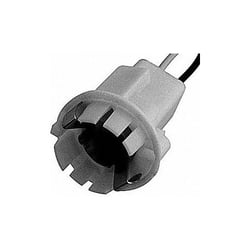

What Are Automotive Electrical Connectors?
Modern vehicles rely on a complex web of electrical systems to power everything from windshield wipers and rear window defoggers to fluid sensors and beyond. Automotive electrical connectors are the critical interface points in this network — purpose-built plugs, pigtails, and terminals that link individual components to a vehicle's wiring harness. When a connector corrodes, cracks, or suffers heat damage, the affected system may perform intermittently, fail entirely, or trigger warning lights. Replacing a worn connector is often a far more cost-effective repair than replacing entire wiring harnesses or the components they serve.
Why Electrical Connectors Matter
Unlike a failed fuse or a burned-out bulb, a damaged electrical connector can be surprisingly difficult to diagnose. Corrosion at the terminal points increases electrical resistance, which can mimic the behavior of a failing sensor or motor. A properly seated, OE-quality replacement connector restores reliable signal and power transfer, protecting the downstream component and preventing recurring faults. Whether you're dealing with a wiper system that stutters in the rain or a rear defroster that won't clear a frosty windshield, a fresh connector is frequently the fix that counts.
Popular Subcategories
This category covers a broad range of vehicle-specific connector types. Some of the most commonly needed include:
- Windshield Wiper Motor Connectors — These pigtails bridge the wiper motor to the vehicle's harness. A cracked or corroded connector here is a common culprit behind intermittent wiper operation.
- Rear Window Defroster Terminals — The thin heating elements embedded in your rear glass connect through specialized terminals. When these fail, the result is a rear window that stays foggy regardless of how long the defroster runs.
- Rear Window Defogger Connectors — Closely related to defroster terminals, these connectors complete the circuit between the defogger grid and the vehicle's electrical system, ensuring consistent current flow to the heating element.
- Washer Fluid Level Sensor Connectors — A failed connector at the washer fluid reservoir sensor can trigger a false low-fluid warning — or suppress a legitimate one — creating needless confusion during routine maintenance.
Top Brands in Electrical Connectors
Standard Motor Products (SMP) is the dominant name in this space. Founded in 1919 with a specialization in ignition and electrical parts, SMP has grown into one of the largest independent suppliers to the automotive aftermarket. Every Standard Motor Products electrical connector is 100 percent tested for proper mechanical and electrical fit, form, and function, giving technicians and DIYers confidence in a direct-fit result across a vast range of vehicle applications.
Dorman brings over a century of aftermarket innovation to electrical connectors. Their Conduct-Tite line is designed for both professional repair shops and do-it-yourselfers, offering connectors and terminals engineered for reliable performance and a clean, professional finish. Dorman's OE Solutions pigtail connectors are built to allow quick circuit disconnection for service without sacrificing durability.
Motorcraft is Ford Motor Company's own parts brand, making it the go-to choice for owners of Ford, Lincoln, and Mercury vehicles who want connectors built to original factory specifications. Motorcraft connectors feature OE-spec components that meet strict Ford engineering standards, ensuring a seamless fit to factory harnesses without modification.
Choosing the Right Connector
The most important factor when selecting an electrical connector is vehicle-specific fitment. Connector housings, pin counts, and terminal types vary widely between makes, models, and model years. Always verify compatibility before purchasing. Beyond fitment, look for connectors made from heat-resistant materials with quality metal terminals that resist corrosion — qualities that separate a lasting repair from one that fails again at the first sign of moisture or heat.