


1998 Dodge Intrepid Sensors
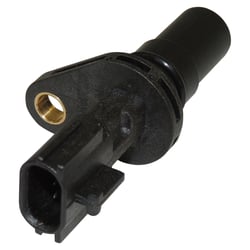

The Nervous System of Your Vehicle: Understanding Automotive Sensors
Automotive sensors are among the most critical components in any modern vehicle. These electronic devices collect real-time data and transmit it to the vehicle's Electronic Control Unit (ECU), which processes that information and adjusts engine performance, safety systems, and driver-assistance features accordingly. From engine optimization to collision avoidance, sensors form the foundation of nearly every intelligent system on the road today.
The scope of automotive sensors is remarkably broad. A single modern vehicle can contain dozens — or even over a hundred — individual sensors monitoring everything from throttle position and manifold pressure to blind spot proximity and door ajar status. Sensors span four core application areas: safety, diagnostics, driver convenience, and environmental monitoring. When any one of them fails, the results can range from a lit check-engine light to compromised braking or steering performance, making quality replacement parts essential.
Key Sensor Categories to Know
This category encompasses a wide range of sensor types, each serving a specific purpose in your vehicle's operation:
- Accelerator Pedal Sensors — Among the most important sensor types, these components communicate driver throttle input directly to the ECU, enabling precise fuel delivery and drive-by-wire throttle control. A faulty accelerator pedal sensor can cause hesitation, surging, or a complete loss of throttle response.
- Parking Aid Sensors — Ultrasonic sensors mounted in bumpers detect nearby obstacles and alert the driver through audible or visual warnings, making close-quarters maneuvering safer in tight parking situations.
- Boost Pressure Senders — Found on turbocharged and supercharged engines, these sensors monitor intake manifold pressure and relay that data to the ECU to optimize boost levels and protect the engine from over-boost conditions.
- Blind Spot Detection System Warning Sensors — Radar- or ultrasonic-based sensors that monitor the vehicle's flanks and alert the driver to traffic in hard-to-see zones, a key component of modern Advanced Driver Assistance Systems (ADAS).
- Door Open Warning Sensors — Simple but safety-critical switches that detect when a door or hatch is not fully latched, triggering dashboard warnings to prevent unintended door opening while driving.
Top Sensor Brands
Choosing a quality brand matters when replacing sensors, as precision tolerances and signal accuracy vary considerably between manufacturers. Here are the top brands available in this category:
- Standard Motor Products — With over 100 years in the automotive aftermarket, Standard Motor Products is one of the most trusted names in vehicle sensors. Their sensors are precision-engineered for accuracy, speed, and durability, and undergo extensive validation — including vibration testing and temperature chamber testing — before reaching the market.
- Hella — A global OEM supplier with deep roots in automotive electronics, Hella offers an innovative sensor portfolio covering accelerator pedal sensors, position sensors, steering sensors, and more. Many leading automotive manufacturers have trusted Hella's electronics expertise for years, making their aftermarket sensors a natural fit for OE-quality replacements.
- ACDelco — GM's own parts brand, ACDelco brings OEM-grade engineering to the aftermarket. Their sensor lineup is particularly well-suited for General Motors vehicles where exact-fit specifications are a priority.
- Dorman — Known for broad parts coverage and problem-solving designs, Dorman offers an extensive sensor catalog that spans a wide variety of domestic and import applications, often including updated designs that address known OE deficiencies.
- Replacement — A value-focused brand offering a large selection of sensors across many vehicle platforms, providing a budget-conscious option for drivers who need reliable performance without premium pricing.
What to Look for When Shopping Sensors
When replacing any automotive sensor, fit and signal accuracy are paramount. Always verify compatibility with your specific vehicle's year, make, model, and engine. Look for sensors that meet or exceed OEM specifications, and when possible, opt for units that have been end-of-line tested for signal output to ensure they'll communicate correctly with your ECU right out of the box.