


Manual Transmission Drive Axle Seal
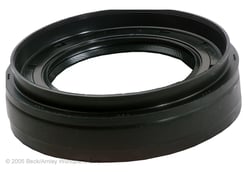




What Is a Manual Transmission Drive Axle Seal?
The manual transmission drive axle seal is a small but critically important component in your vehicle's drivetrain. Its primary job is straightforward but essential: it seals the point where the CV axle or driveshaft enters the transmission housing, preventing gear oil from escaping and contaminants from getting in. Without a properly functioning seal, the transmission fluid that lubricates your gearbox's internal components can slowly leak away — often with costly consequences.
As described by drivetrain engineers, the axle seal houses a flexible seal that rides on the axle and keeps gear oil in, and crud out. It consists of a flexible sealing element — typically made of rubber or a synthetic elastomer — housed within a metal carrier that is pressed into the transmission case. Most seals also incorporate a small garter spring around the inner lip to maintain consistent contact pressure against the spinning axle shaft, ensuring a reliable seal even as the axle rotates at high speeds.
Why Drive Axle Seals Matter
On front-wheel drive vehicles, there are typically two of these seals — one for each CV axle — making their condition doubly important. A failing seal may start as a minor seep, but over time it can allow significant fluid loss. Transmission fluid and gear oil are essential for lubricating the input and output shafts, synchronizers, and gear sets inside a manual gearbox. Running low on fluid accelerates metal-on-metal wear, can cause overheating, and may ultimately lead to catastrophic transmission failure.
Seal degradation happens gradually. Exposure to heat cycles, age, and oxidation causes the rubber to harden and lose its flexibility, eventually leading to cracks. Worn bearings inside the transmission can also cause excessive shaft play, which accelerates seal wear from the inside out. Because the leak is often slow-moving and collects underneath the vehicle, many drivers don't notice a problem until fluid levels have already dropped significantly. Checking for oil spotting near the axle-to-transmission junction during routine maintenance can catch a failing seal early and prevent a much larger repair bill.
What to Look for When Replacing a Drive Axle Seal
The two most critical dimensions when selecting a replacement seal are the outer diameter — which must fit snugly into the transmission housing bore — and the inner diameter — which must form a tight, dynamic seal against the axle shaft. An incorrect seal that allows even minor fluid seepage can quickly worsen under the pressures of everyday driving. Always cross-reference the seal by your specific vehicle's year, make, model, and transmission type to ensure a proper fit.
Proper installation technique matters as much as choosing the right part. A seal that is driven in at an angle, or installed without adequate lubrication on the sealing lip, can fail prematurely regardless of its quality. Using the correct seal driver tool and following the manufacturer's torque and fitment specifications are key steps to a long-lasting repair.
Top Brands in Manual Transmission Drive Axle Seals
When it comes to this category, fit and material quality are everything. Beck/Arnley is a well-established name for import vehicle drivetrain sealing components. Beck/Arnley parts are designed to be a direct replacement for OE applications across all foreign nameplates, with special attention given to form, fit, and function. Since 1914, Beck/Arnley has focused on offering high-quality import parts that look and perform the same as OE parts. For owners of Asian and European import vehicles who want a seal that mirrors the factory specification without the dealer markup, Beck/Arnley is a trusted go-to in this category.