


Wheel Bearing Nut


 Representative Photo, actual item may vary

 Representative Photo, actual item may vary


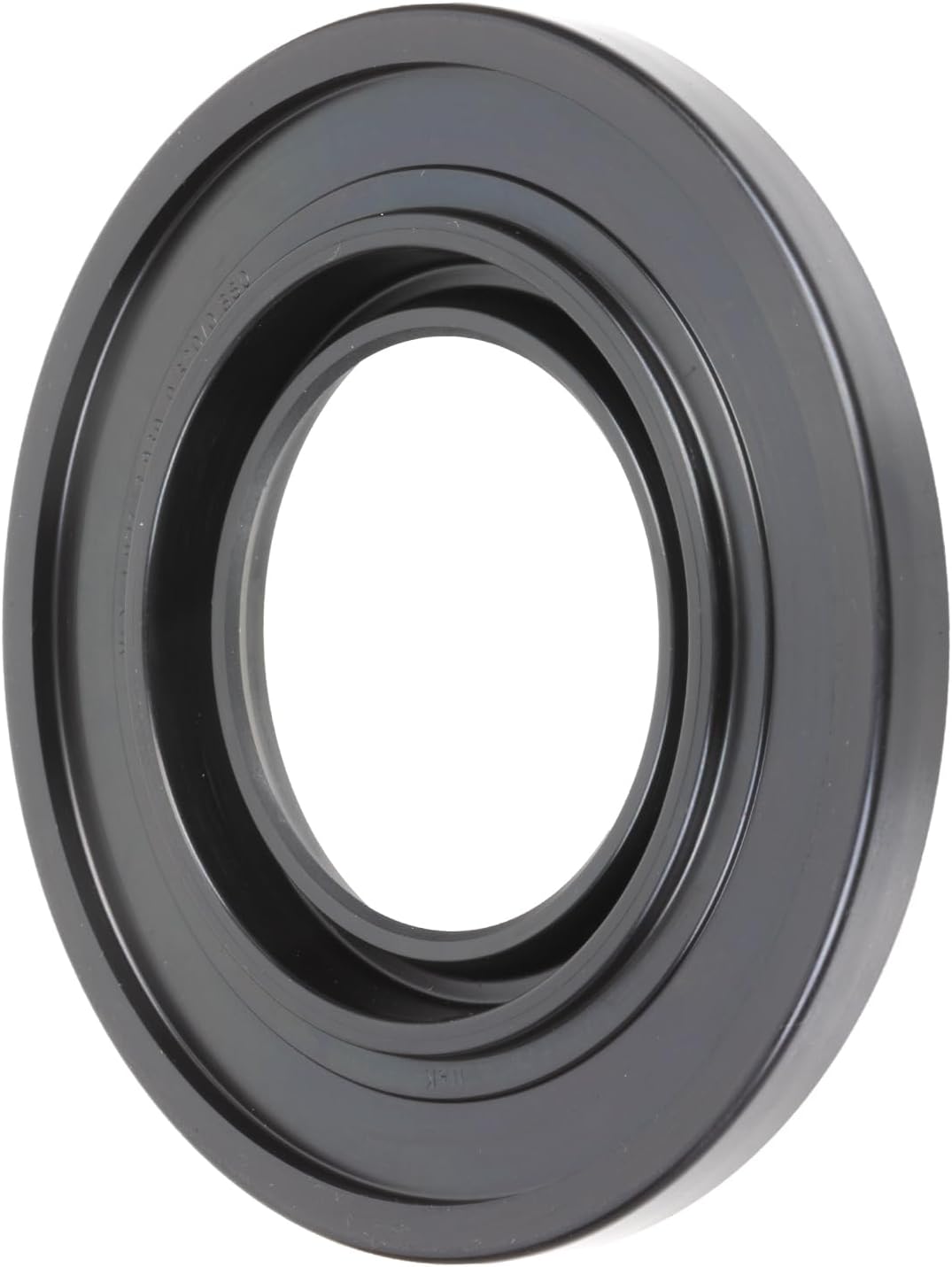 Representative Photo, actual item may vary

 Representative Photo, actual item may vary

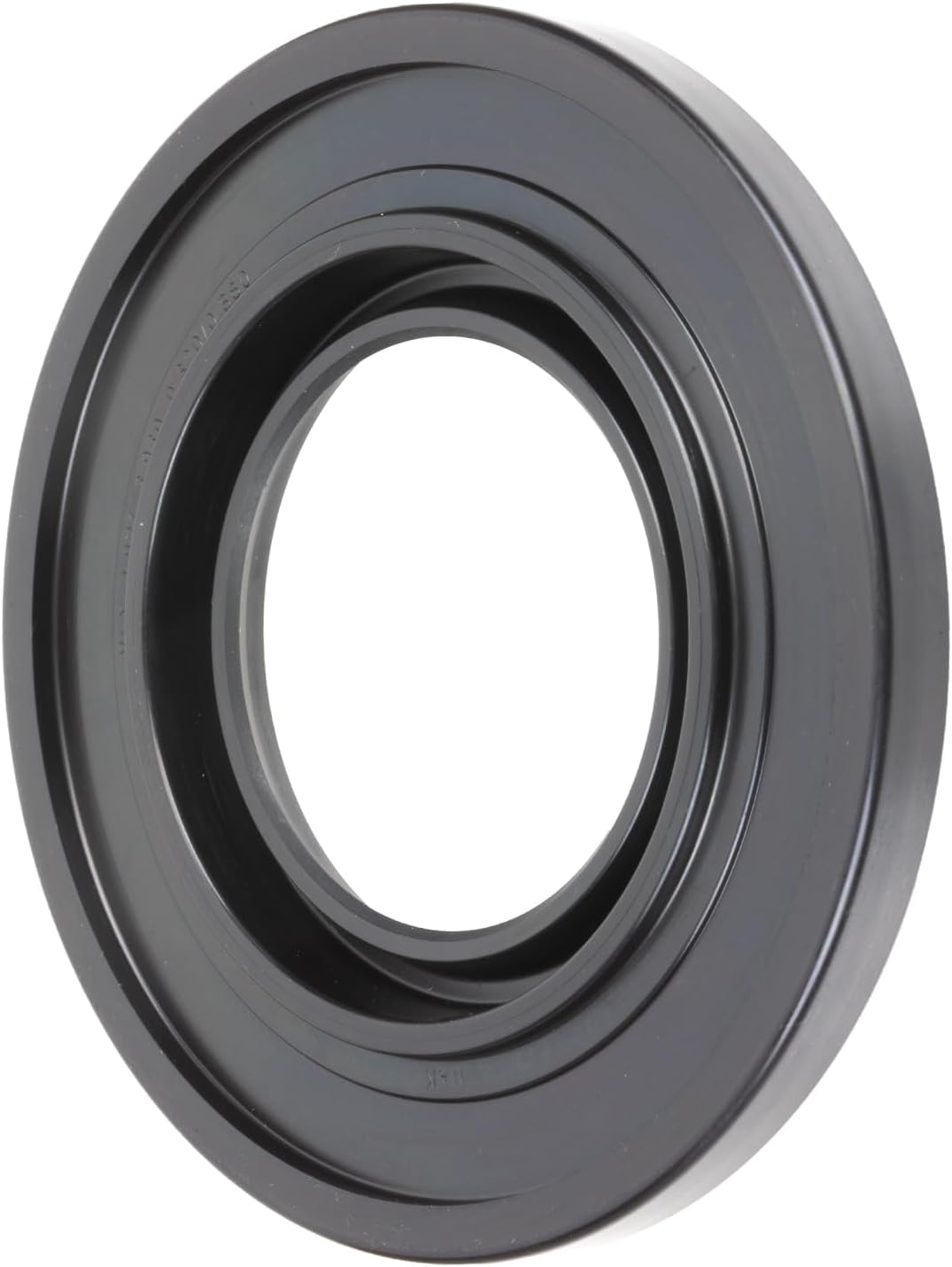 Representative Photo, actual item may vary

What Is a Wheel Bearing Nut?
A wheel bearing nut — sometimes called an axle nut or spindle nut — is a critical fastener in your vehicle's driveline and axle system. It secures the hub to the spindle or axle, forming the mechanical connection that keeps your wheel properly seated and rotating safely. While it may appear to be a simple threaded component, the wheel bearing nut plays a far more sophisticated role than most drivers realize.
Why Proper Torque Matters
Putting the proper torque on the center axle nut sets the preload for the bearing and keeps the bearing from separating while in operation — and that torque specification is critical to the performance and function of the wheel hub. This is not a "close enough" situation: if the drive axle nut is under-tightened, this can create insufficient preload on the bearing and excessive internal clearances, resulting in bearing noise complaints, premature wear, and failure of the hub bearing. Equally damaging, if the drive axle nut is over-tightened, this will create excessive preload on the bearing and insufficient internal bearing clearances, which can also result in bearing noise complaints and excessive heat buildup in the bearing, premature wear, and failure.
The type of axle nut influences the torque specification, and there are so many variables in wheel bearing design and application that one universal torque specification for axle nut torque is simply impossible. Always refer to your vehicle's service manual and use an accurate torque wrench during installation.
Safety and Structural Consequences
A loose or missing wheel bearing nut isn't just an inconvenience — it's a serious safety hazard. If an axle nut becomes loose or falls off, the hub or wheel bearings can move more than they should, causing a wobbling effect at the wheel end, and this can also damage the bearings, races, or spindle if not addressed. An under-tightened drive axle nut can also affect the operation of the ABS wheel speed sensor on some vehicles, resulting in the illumination of the ABS warning light in the instrument cluster.
Some designs include additional retention features for added security. Some spindle nuts are secured with a cotter pin or axle nut retainer once they are tightened to specification to keep them from becoming loose while driving, while others are made to be used without a retainer.
What to Look for When Replacing a Wheel Bearing Nut
Because wheel bearing nuts are application-specific, it's essential to match the correct part to your vehicle's make, model, and year. Key considerations include thread pitch, hex size, and whether the nut is a single-use (prevailing torque) design or a reusable style. Many manufacturers recommend replacing the axle nut any time a hub assembly is serviced, as the locking features can degrade after a single use.
Featured Brand: FAG
FAG is one of the most respected names in wheel-end components and bearing technology. Originally founded in Germany in the late 19th century by Friedrich Fischer, FAG is one of the best-established names in the vehicle bearing industry. Today, FAG is a core brand within the Schaeffler Group, a global leader in automotive and industrial technology headquartered in Germany, and as part of Schaeffler, FAG benefits from decades of accumulated research, continuous innovation, and a commitment to technological leadership. FAG is the OEM bearing supplier for BMW, Audi, Volkswagen, and Mercedes-Benz — manufacturers with some of the strictest component specifications in the automotive industry. That OEM pedigree extends to their wheel bearing nut offerings, making FAG a natural choice for enthusiasts and professional technicians who demand factory-level precision.