


Steering Knuckle
 Representative Photo, actual item may vary


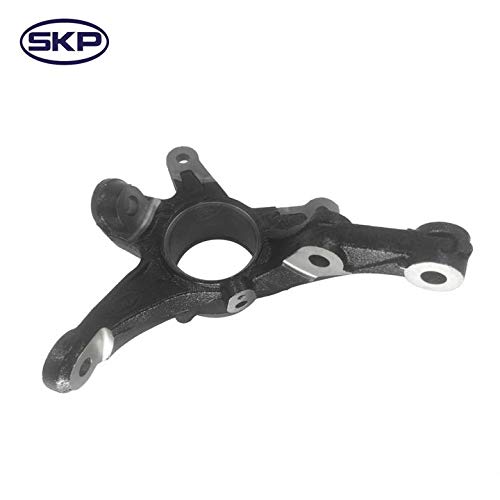
Replacement RC28080003 Front Right Passenger Side Steering Knuckle Without Bearing


 Representative Photo, actual item may vary

 Representative Photo, actual item may vary

 Representative Photo, actual item may vary


 Representative Photo, actual item may vary



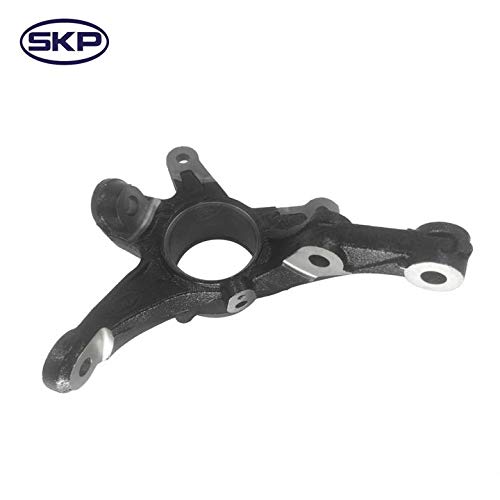
Replacement SET-RT28080015 Front Steering Knuckle Assembly - Set Driver and Passenger Side

Replacement SET-RT28080013 Front Steering Knuckle & Wheel Hub Bearing Assembly Set AWD
 Representative Photo, actual item may vary
Replacement SET-RT28080017 Front Steering Knuckle Set RH & LH Toyota Avalon

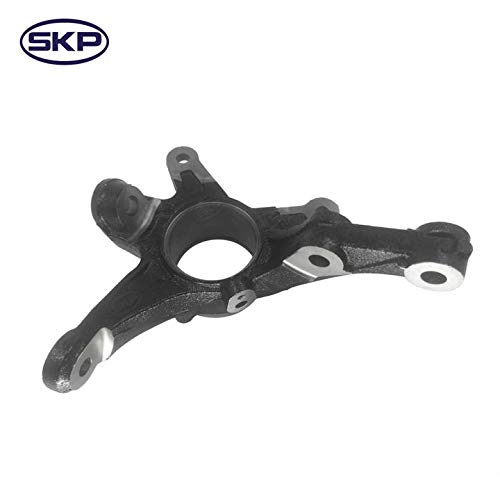
Replacement SET-RT28080061 Front Steering Knuckle Set Left and Right Cast Iron
 Representative Photo, actual item may vary


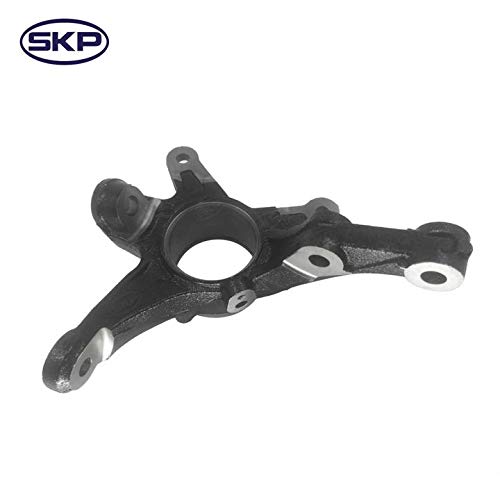 Representative Photo, actual item may vary


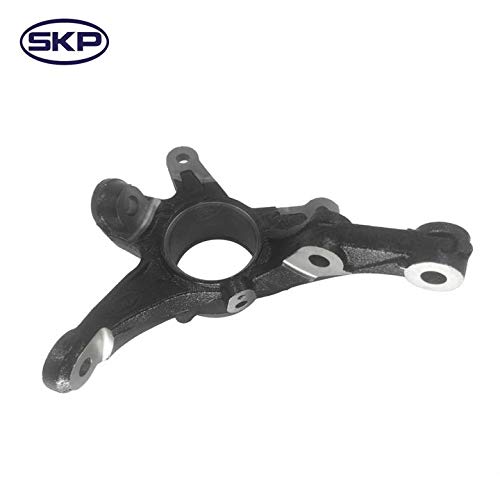 Representative Photo, actual item may vary


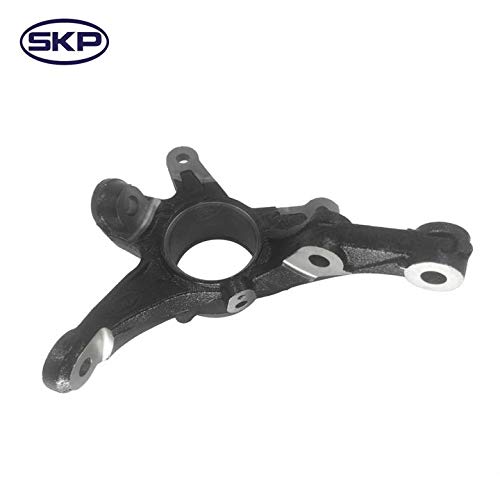 Representative Photo, actual item may vary
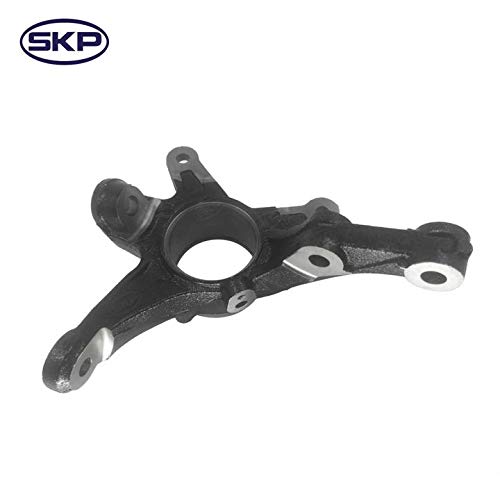 Representative Photo, actual item may vary
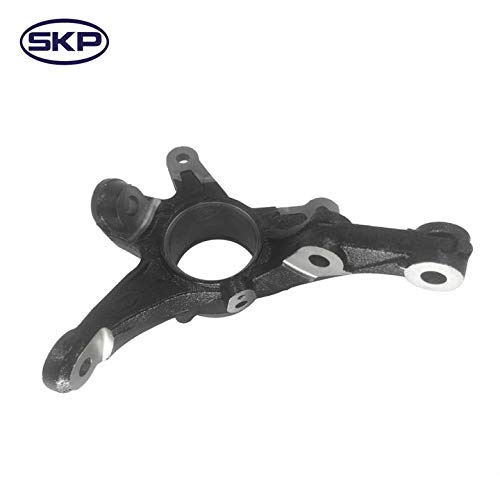 Representative Photo, actual item may vary
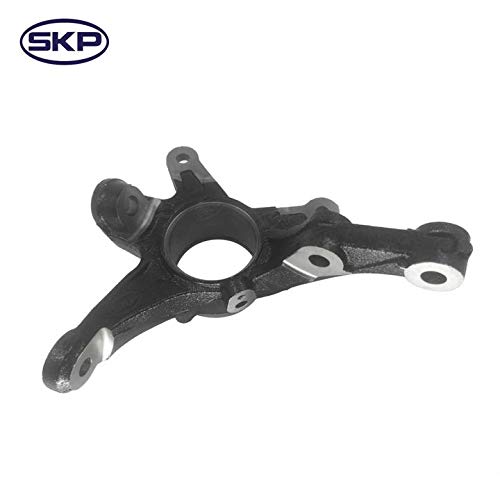 Representative Photo, actual item may vary
Skyward Automotive Products SK698404 Loaded Steering Knuckle Assembly with Wheel Bearing and Hub
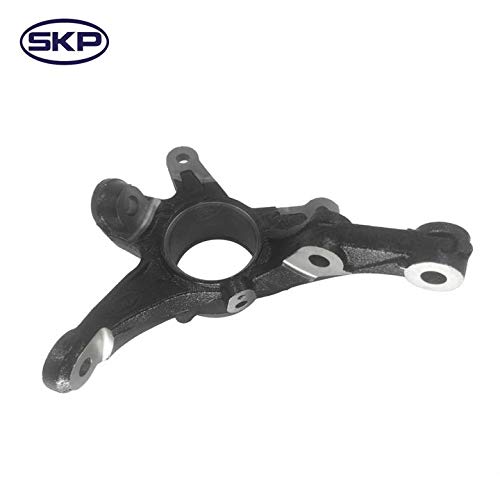 Representative Photo, actual item may vary


BDS Suspension 23635 Passenger Side Steering Knuckle Box Kit for 2015-2020 Ford F-150
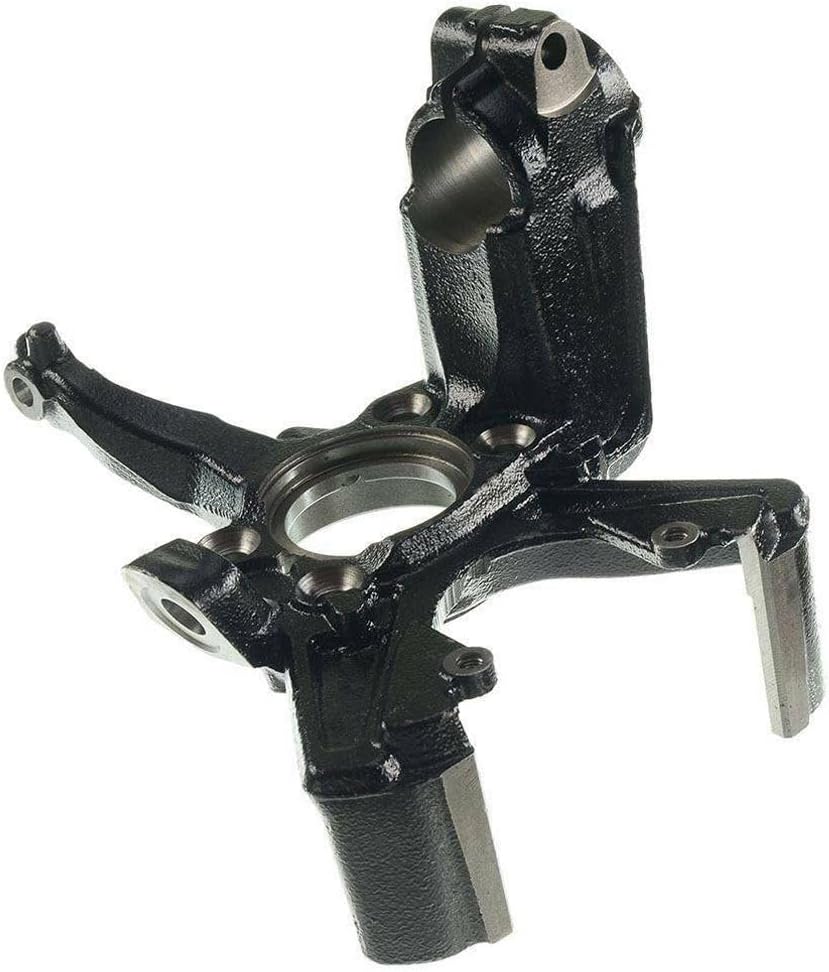 Representative Photo, actual item may vary

Superlift Suspension 9954 Driver Side Steering Knuckle Component for K130 Lift Kit


Superlift Suspension 9740 Driver Side Steering Knuckle for 2022-2023 Bronco 5-6" Lift

 Representative Photo, actual item may vary


IAP 113501277A IRS Outer Wheel Bearing Rear Suspension Bearing

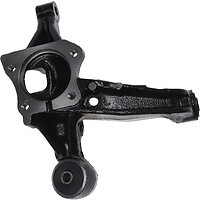 Representative Photo, actual item may vary

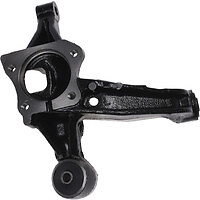 Representative Photo, actual item may vary
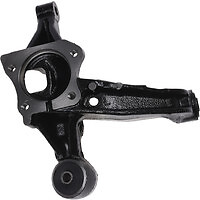 Representative Photo, actual item may vary
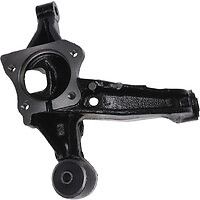 Representative Photo, actual item may vary
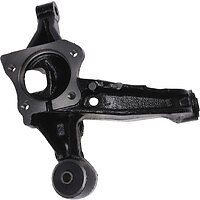 Representative Photo, actual item may vary
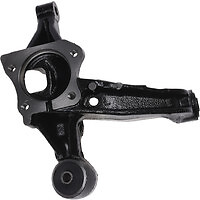 Representative Photo, actual item may vary
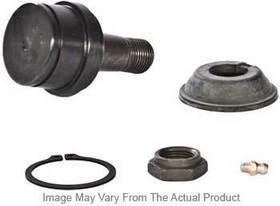 Representative Photo, actual item may vary


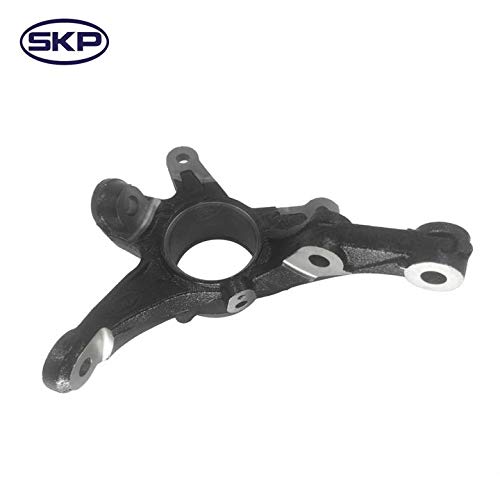 Representative Photo, actual item may vary
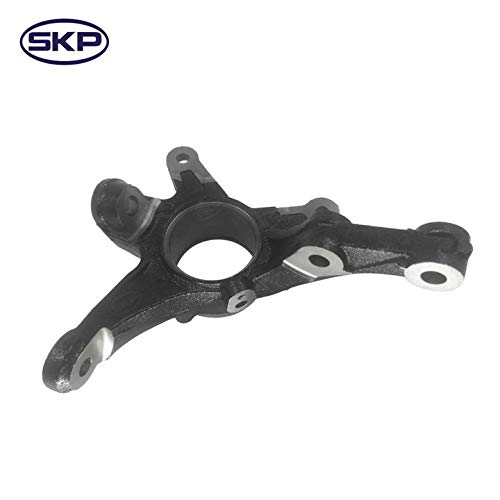 Representative Photo, actual item may vary
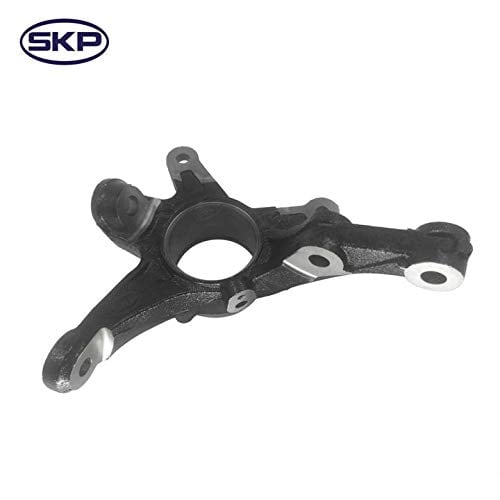 Representative Photo, actual item may vary
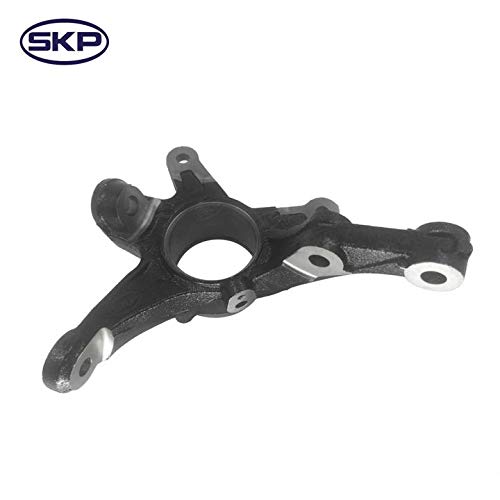 Representative Photo, actual item may vary
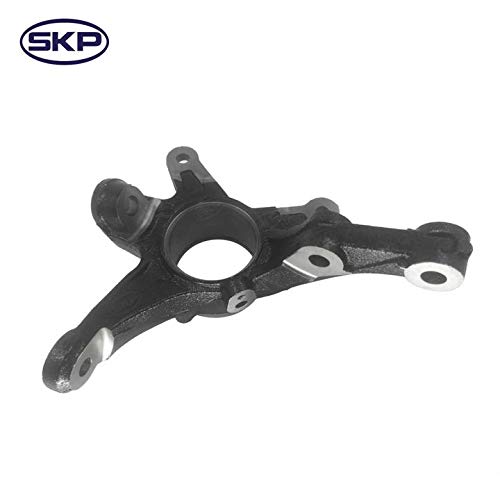 Representative Photo, actual item may vary
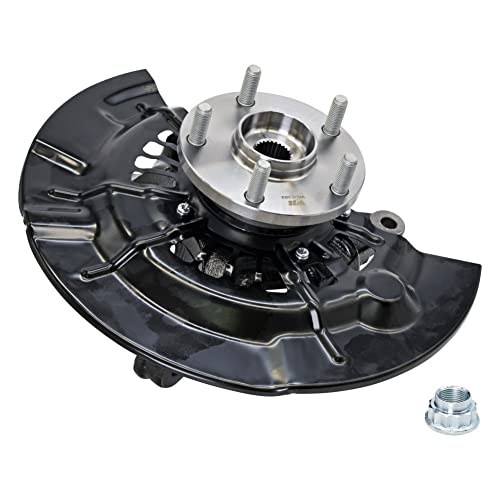 Representative Photo, actual item may vary

 Representative Photo, actual item may vary

 Representative Photo, actual item may vary

WJB WLK083 Front Left Suspension Knuckle Assembly with Pre-Pressed Wheel Hub Bearing


What Is a Steering Knuckle?
Steering knuckles are among the most critical — and most overlooked — components in a vehicle's chassis. Positioned at each steered wheel, the steering knuckle serves as the central hub that ties together the steering linkage, suspension system, wheel bearing, and brake assembly into one sturdy pivot point. When you turn the steering wheel, it's the knuckle that physically translates that input into directional wheel movement.
The name itself is descriptive: like the knuckles of a hand, the part features multiple "fingers" or mounting points, each with a specific job. One connects to the lower control arm via a ball joint, another attaches the outer tie rod end, another mounts the suspension strut, and additional points secure the brake caliper. On vehicles with anti-lock brakes, there's often also a port for the ABS wheel-speed sensor. In short, the steering knuckle is the structural crossroads of your vehicle's front end.
Types of Steering Knuckles
Not all knuckles are built the same. The design varies significantly depending on the suspension architecture of the vehicle:
- Conventional Steering Knuckle: Common on older vehicles and solid-axle suspensions, these feature a spindle for wheel hub mounting.
- MacPherson Strut Knuckle: Found on most modern front-wheel-drive cars, these feature a direct mounting point for the strut assembly and are among the most common replacements in the aftermarket.
- Double Wishbone Knuckle: Used in independent suspension setups, these offer enhanced stability and are popular on performance vehicles and trucks.
Material matters too. Traditional cast-iron and forged steel knuckles provide excellent strength and are well-suited to trucks and heavy-duty applications. Aluminum alloy knuckles, found on many modern passenger cars and performance models, reduce unsprung weight — helping the suspension react more quickly to road surfaces and improving steering responsiveness.
When Does a Steering Knuckle Need Replacement?
Steering knuckles are extremely durable and, under normal conditions, are designed to last the life of the vehicle. However, impacts — a significant pothole, a curb strike, or a collision — can bend or crack the knuckle. A damaged knuckle should never be driven on: misalignment, uneven tire wear, erratic handling, and additional stress on the ball joints are all consequences of a compromised part. Watch for symptoms like a visibly tilted wheel, pulling to one side, a crooked steering wheel on a straight road, or squealing during turns.
When replacement is needed, choosing the right part requires attention to fitment, material, and whether you want a bare knuckle or a pre-assembled unit that includes the wheel bearing and hub. Complete knuckle assemblies can significantly reduce labor time by eliminating the need to press in bearings with special tools.
Top Steering Knuckle Brands
Moog Chassis Parts is the most trusted name in aftermarket steering and suspension. With over a century of engineering experience, Moog has built its reputation as "The Problem Solver" by consistently producing parts that meet or exceed OEM standards. Their Complete Knuckle Assemblies are pre-assembled with the wheel bearing already installed, eliminating the need for special tools and reducing installation time significantly. An electrically applied coating on the knuckle and backing plate delivers lasting corrosion resistance — a key advantage in northern climates or off-road use.