


Steering Pitman Arm










Superlift Suspension 4006 Dropped Pitman Arm - 00-02 Ram 1500/2500/3500 W/ 4-6" Lift







Mevotech MK6335 Front Steering Pitman Arm, Greaseable with Hardware



Crown Automotive J5356104 Pitman Arm for Jeep CJ Power Steering




Crown Automotive J5352278 Pitman Arm for Jeep SJ J-Series with Power Steering





Crown Automotive 52040112 Pitman Arm for Jeep YJ Wrangler with Power Steering

Crown Automotive 52088242 Pitman Arm for Jeep Grand Cherokee WJ Left Hand Drive








TeraFlex 4922133 Drop Pitman Arm for Jeep Wrangler YJ/TJ/LJ 3.5-6 Inch Lift







Borgeson 806010 Bendable Steel Pitman Arm for Saginaw Vega 140 Steering Box


Borgeson 806018 Flat Bendable Steel Pitman Arm 7in Centers GM Saginaw 700


Superlift Suspension 1103 Dropped Pitman Arm - 76-86 Jeep Cj W/ Power Steering


Crown Automotive 52060056AC Pitman Arm for 2007-2018 Jeep JK Wrangler LHD


Crown Automotive J0999416 Pitman Arm for Jeep CJ-5, CJ-6, C104 with Power Steering
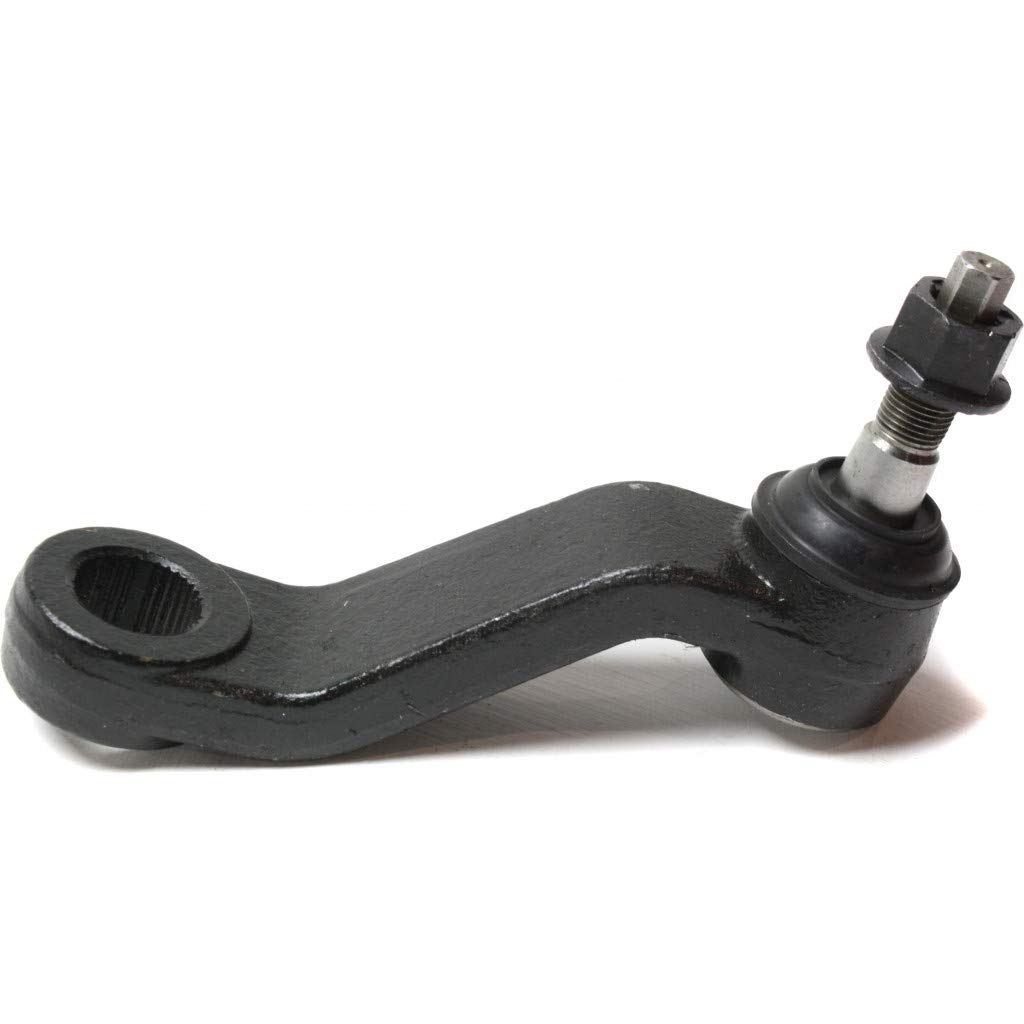 Representative Photo, actual item may vary


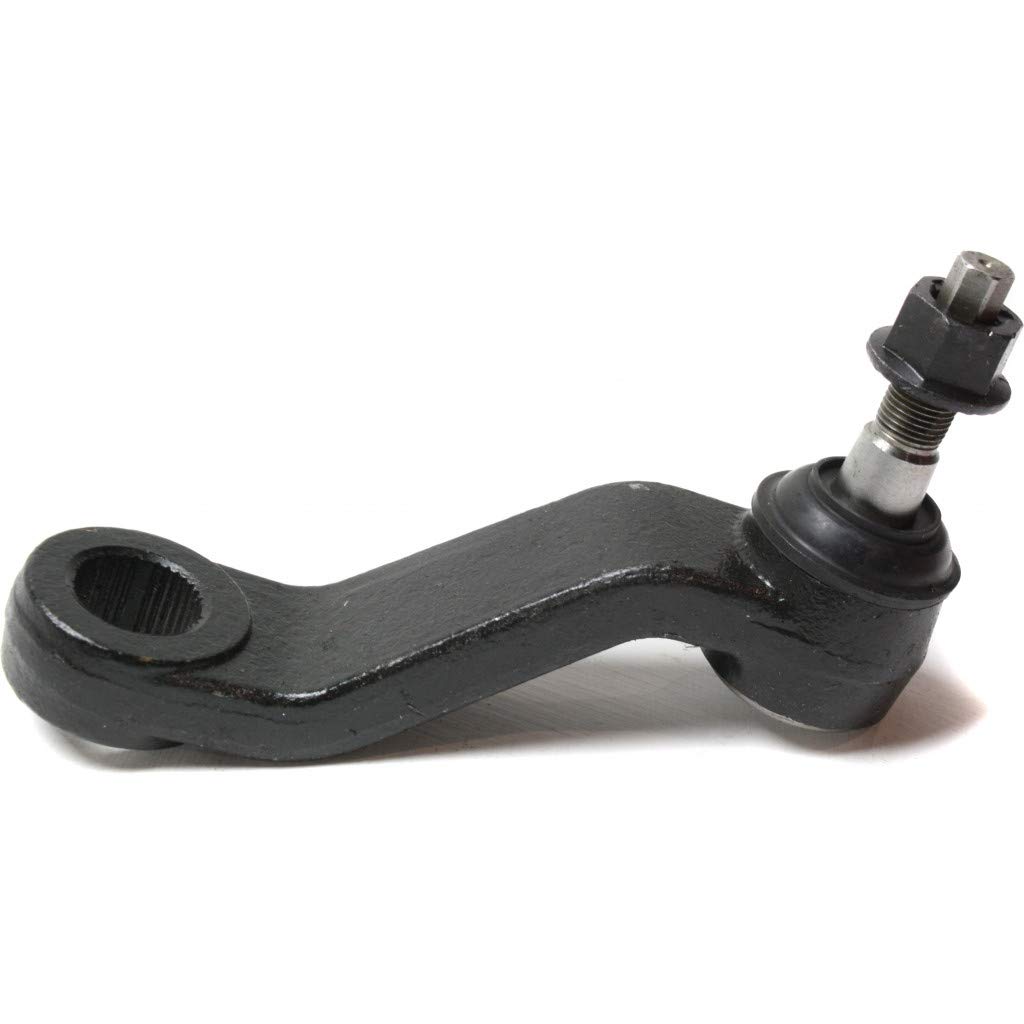 Representative Photo, actual item may vary


What Is a Steering Pitman Arm?
The pitman arm is one of the most fundamental — and most overlooked — components in a vehicle's steering system. Attached directly to the steering gear sector shaft, the pitman arm converts the rotational motion of the steering gear into the linear, side-to-side motion that actually turns your wheels. In short, every time you rotate your steering wheel, the pitman arm is what translates that input into directional control on the road.
Found primarily on trucks, SUVs, and older body-on-frame vehicles with recirculating ball steering systems, the pitman arm works in close partnership with the drag link, tie rods, and idler arm to form a complete steering linkage. When any one of these components wears out or fails, handling precision suffers — and in a worst-case scenario, steering can become dangerously unpredictable.
Signs of a Worn or Failing Pitman Arm
Because the pitman arm is a load-bearing pivot point, it endures significant stress over the life of a vehicle. Over time, the ball stud and socket can develop excessive play, leading to symptoms like:
- Loose, wandering, or imprecise steering feel
- Excessive free-play in the steering wheel
- Clunking or knocking sounds during turns or over bumps
- Uneven or accelerated tire wear
- Vehicle pulling to one side
A pitman arm showing any of these symptoms should be inspected and replaced promptly. Because it is a direct mechanical link between the steering gear and the rest of the linkage, even a small defect can have outsized effects on vehicle control.
Pitman Arms for Lifted Trucks and Off-Road Builds
One scenario that demands special attention is a lifted suspension. When a truck or SUV is raised with a lift kit, the geometry of the steering linkage changes significantly. A stock pitman arm is no longer the correct length or angle to maintain proper steering geometry, which can result in bump steer, reduced steering travel, and accelerated wear on other linkage components. A drop pitman arm — designed specifically to correct geometry on lifted vehicles — is often a mandatory part of any serious suspension upgrade.
Top Brands for Steering Pitman Arms
Skyjacker Suspension is the category leader for lifted truck and off-road applications. Skyjacker's pitman arms are purpose-engineered to restore proper steering geometry on lifted vehicles, making them an essential pairing with their suspension lift kits for trucks and SUVs. If you're building a rig that rides higher than stock, Skyjacker is the go-to name for keeping your steering linkage dialed in.
Dorman is a trusted name for direct OE-replacement pitman arms across a wide range of light-, medium-, and heavy-duty vehicles. Each Dorman steering pitman arm is precision-engineered and rigorously tested to provide reliable replacement components for the original part on specific vehicles. Dorman continually expands its product lineup to offer a broader range of hard-to-find parts and accessories that could replace rare or expensive OEM parts.
What to Look for When Shopping Pitman Arms
- Application fitment: Always verify fitment by year, make, model, and trim before purchasing.
- Stock vs. drop: Determine whether your vehicle is at stock ride height or lifted, and choose the appropriate arm accordingly.
- Material and construction: Look for forged or heavy-duty steel construction for maximum durability, especially on off-road or towing applications.
- Grease fitting: Some pitman arms include a grease zerk fitting for periodic lubrication, extending service life significantly.