


Ignition Igniter


 Representative Photo, actual item may vary


 Representative Photo, actual item may vary

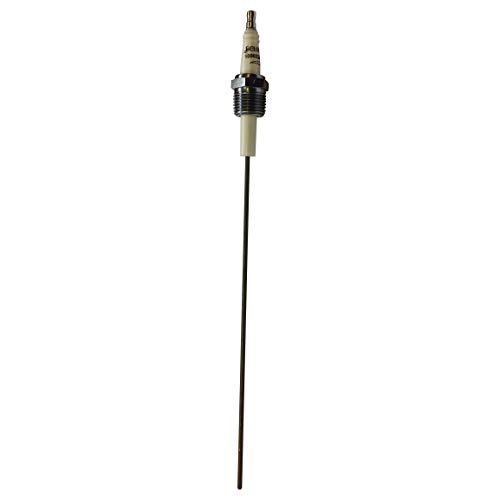 Representative Photo, actual item may vary

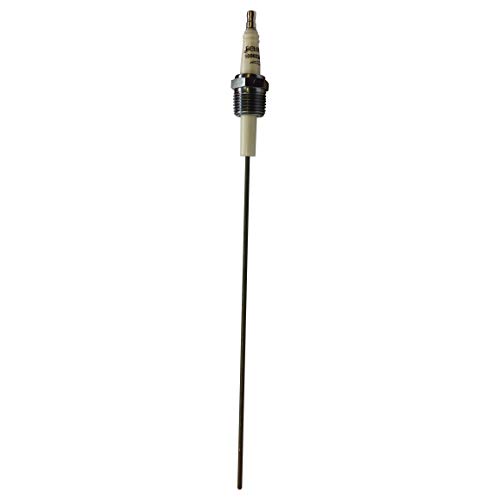 Representative Photo, actual item may vary

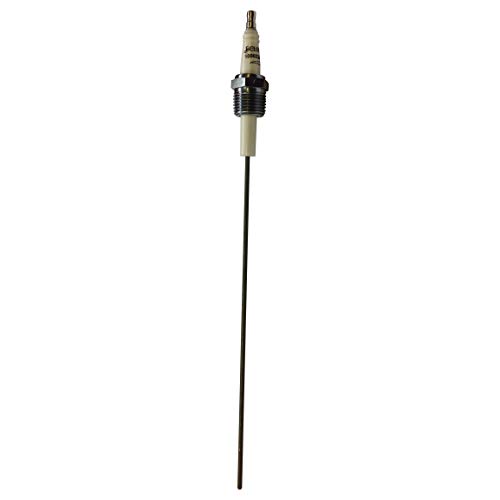 Representative Photo, actual item may vary
 Representative Photo, actual item may vary


 Representative Photo, actual item may vary


 Representative Photo, actual item may vary


Supco SDE364 Universal Flat Gas Dryer Igniter Replaces WE4X750 4391996 5303937186
 Representative Photo, actual item may vary
What Is an Ignition Igniter?
The ignition igniter is a critical solid-state component in a vehicle's primary ignition circuit. Its core job is to act as an electronic switch — receiving a timing signal and momentarily interrupting the flow of battery current to the ignition coil's primary winding. This sudden interruption causes the coil's magnetic field to collapse, inducing a high-voltage pulse in the secondary winding that fires the spark plug at precisely the right moment in the combustion cycle.
In modern electronic ignition systems, the engine control module (ECM) determines the optimum spark timing based on inputs like engine load, temperature, and camshaft or crankshaft position. It then sends that command to the igniter, which executes the switching event. Without a functioning igniter, this communication chain breaks down entirely — and the engine won't run.
Why the Igniter Matters
Because igniters are electronic components, they tend to fail differently than mechanical parts. They may work fine when cold but become erratic as the engine heats up, or they may fail completely without warning. Common symptoms of a failing igniter include difficulty starting, random stalling, engine misfires, and — on some vehicles — an erratic tachometer reading, since the tach may draw its signal from the same unit. If your check engine light is on and diagnostics point to the primary ignition circuit, the igniter is a logical component to inspect and test.
Because igniters sit in the primary ignition circuit — carrying lower voltages that control the high-voltage secondary side — precision engineering and quality materials matter greatly. A substandard igniter can cause inconsistent spark timing, which directly impacts fuel economy, power output, and emissions. As one resource notes, if the ignition system fires at the wrong time, power will fall and gas consumption and emissions can increase.
Shopping for an Ignition Igniter: What to Consider
- Vehicle Compatibility: Igniters are highly application-specific. Always confirm fitment by year, make, model, and engine code before purchasing.
- OEM vs. Aftermarket: Many import vehicles — particularly Japanese and European nameplates — use igniters from the same supplier that built the original component. Quality aftermarket igniters are engineered to meet or exceed those original specifications.
- Heat Tolerance: Igniters are often mounted near the distributor or coil and are exposed to significant engine heat. Look for units built to withstand thermal cycling.
- Warranty: A manufacturer warranty is a good indicator of confidence in the part's longevity.
Top Brands for Ignition Igniters
Beck/Arnley is a long-established aftermarket specialist with a focus on import vehicle applications — Asian and European nameplates in particular. Beck/Arnley igniters are designed to meet OEM specifications for form, fit, and function, and the brand has sourced components from Tier-1 suppliers — including established OEM manufacturers — for many of its ignition system parts. With a catalog history stretching back to 1914 and coverage spanning over 80 vehicle makes, Beck/Arnley is a well-recognized name when it comes to import-focused primary ignition components.