


Technical Chemical Refrigerant Oil


 Representative Photo, actual item may vary


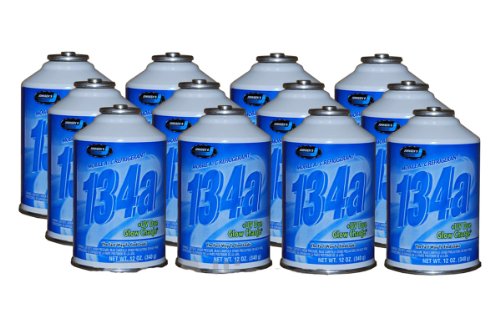 Representative Photo, actual item may vary
Every automotive air conditioning compressor depends on the right lubricant to keep its moving parts protected, and refrigerant oil is one of the most important choices in any A/C service. Technical Chemical Company, widely known as TCC, brings decades of automotive-chemical experience to this category, offering refrigerant oil for technicians and do-it-yourselfers who want a dependable compressor lubricant from an established U.S. packager.
About Technical Chemical in Refrigerant Oil
Technical Chemical Company is headquartered in Cleburne, Texas, and is a packager and marketer of automotive chemicals that also provides private label packaging, and was founded in 1928. The company describes itself as a world-class packager of automotive fluids and aerosols, packaging its house brand Johnsen's while also private labeling for many prominent companies in the industry. That background matters in the A/C aisle: TCC produces a wide range of automotive chemical products, including air conditioning fluids, lubricants, cleaners, and repair products. Refrigerant oil sits naturally alongside those offerings, giving shoppers a single source for several of the fluids involved in A/C service.
Why Refrigerant Oil Matters
Unlike engine oil, refrigerant oil circulates with the refrigerant through the entire A/C loop. It lubricates the compressor, helps seal internal clearances, and carries heat away from moving parts. Using the wrong type or viscosity can reduce cooling performance and shorten compressor life.
The main synthetic families you will encounter include:
- PAG oils: fully synthetic, hygroscopic oils based on polyalkylene glycol, meaning they absorb and bind moisture from the ambient air. They are common in factory R-134a and R-1234yf systems.
- POE oils: wax-free synthetic oils used in refrigeration compressors, compatible with refrigerants such as R-134a and R-410A. They are often chosen for hybrid and electric compressors and some retrofit work.
- Mineral oils: traditionally used in older R-12 systems.
Shopping Considerations
Always match the oil to the compressor manufacturer's specification, not just the refrigerant. Check the required viscosity grade, and confirm whether your vehicle uses a conventional belt-driven compressor or an electric one, since some electrically driven compressors require specially formulated oil. Because PAG and POE oils absorb moisture, keep containers tightly capped and avoid storing partially used bottles for long periods. Moisture contamination can lead to acid formation and internal corrosion.
Pairing the correct oil with fresh seals, a new receiver-drier or accumulator, and a proper evacuation of the system helps protect your investment. Many A/C repairs also call for UV dye, leak sealers, and system cleaners, areas where TCC's broader catalog of air conditioning fluids is useful.
Explore More
This page focuses on Technical Chemical's refrigerant oil selection. To learn more about the company and its other automotive chemicals, visit the full Technical Chemical brand page. If you want to compare refrigerant oils from other manufacturers, browse the complete Refrigerant Oil category.