


A/C Compressor Seal



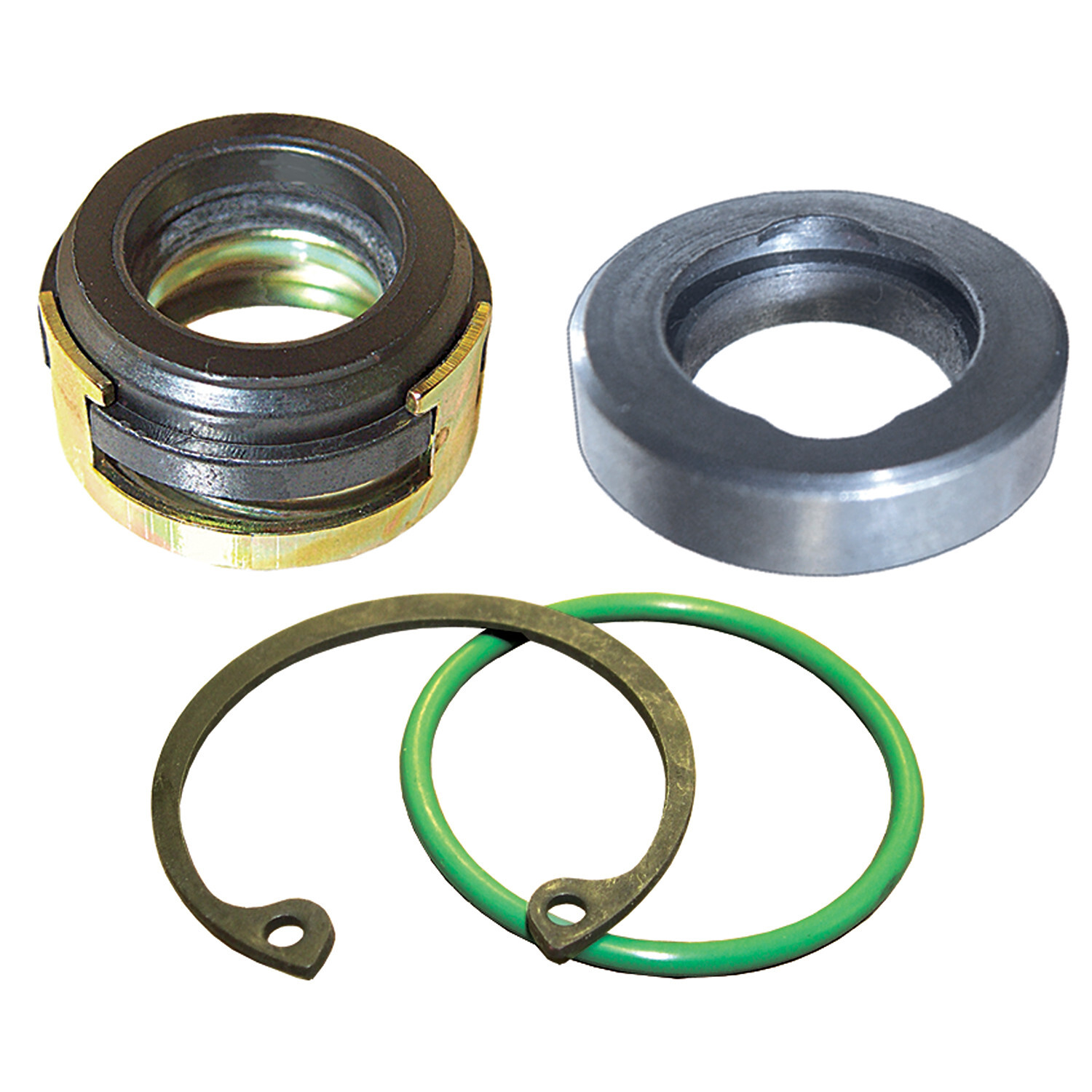 Representative Photo, actual item may vary


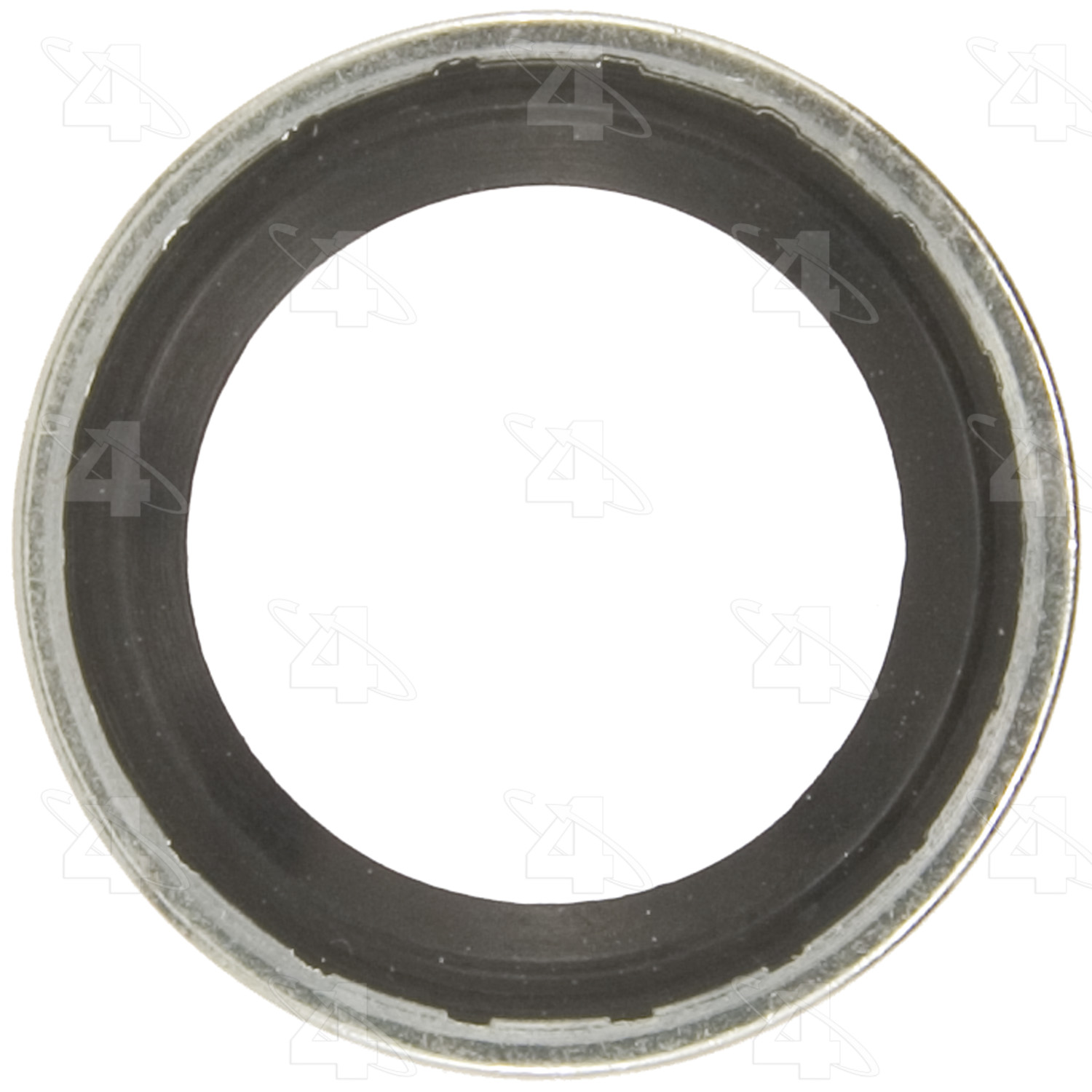 Representative Photo, actual item may vary


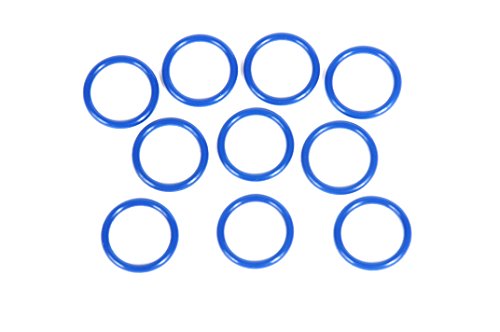 Representative Photo, actual item may vary


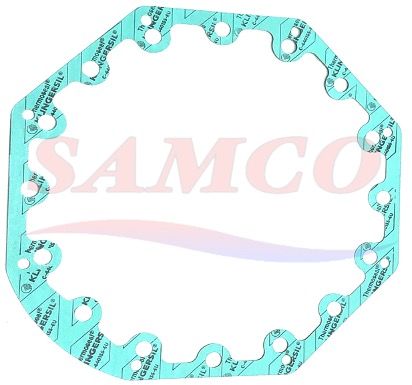 Representative Photo, actual item may vary

 Representative Photo, actual item may vary

What Is an A/C Compressor Seal?
The A/C compressor seal is a small but critically important component in your vehicle's air conditioning system. The compressor is the heart of the A/C system, responsible for compressing low-pressure refrigerant gas into high-pressure, high-temperature gas that circulates through the system to deliver cabin cooling. Where the compressor's rotating shaft exits the housing, a precision seal sits to keep refrigerant and lubricating oil contained — and outside air, moisture, and contaminants out.
The most common design used in modern vehicles is the lip-type shaft seal, which typically combines a rubber lip ring on the high-pressure side with a PTFE (polytetrafluoroethylene) lip ring on the atmospheric side, assembled within a metallic housing. This design strikes a balance between sealing effectiveness and minimizing friction on the spinning shaft. Many seals are manufactured from HNBR (hydrogenated nitrile butadiene rubber), a material valued for its resistance to refrigerant oils, heat, ozone, and general weathering.
Why A/C Compressor Seals Matter
Even a minor refrigerant leak at the compressor shaft seal can gradually deplete your system's charge, causing reduced cooling efficiency, increased compressor wear, and eventually a complete loss of air conditioning. Beyond comfort, refrigerant leaks carry environmental consequences, as modern refrigerants are potent greenhouse gases. Replacing a worn or damaged compressor seal promptly is one of the most cost-effective ways to restore A/C performance without the expense of a full compressor replacement.
Common symptoms of a failing compressor seal include oily residue on the front face of the compressor, a slow loss of cooling effectiveness over a season, or a refrigerant charge that needs topping off more frequently than normal. When paired with a UV dye already in the system, a leaking shaft seal is often straightforward to diagnose with a UV light.
What to Look for When Shopping A/C Compressor Seals
- Material compatibility: Ensure the seal material is rated for your vehicle's refrigerant type (R-134a or R-1234yf) and the compressor oil specification.
- Exact fitment: Shaft seal dimensions are compressor-specific. Always match by vehicle year, make, model, and compressor type to avoid installation issues.
- Kit contents: Some seal kits include supplementary O-rings and gaskets for hose connections, making a more complete service possible in one pass.
- Quality construction: Seals made from HNBR or PTFE components offer superior resistance to heat and refrigerant exposure compared to standard NBR rubber.
Top Brands in A/C Compressor Seals
When it comes to aftermarket HVAC components, few names carry more weight than Four Seasons. As the largest aftermarket climate control parts supplier in the industry and the world's largest compressor remanufacturer, Four Seasons brings unmatched depth of coverage and quality control to every component in its catalog — including compressor seals. Their remanufacturing process uses 100% new seals and gaskets in every rebuilt unit, reflecting the exacting standards they apply across all seal-related products.