


HVAC Blower Motor Resistor

Standard Motor Products RU51HTK HVAC Blower Motor Resistor Kit with High-Temperature Connector








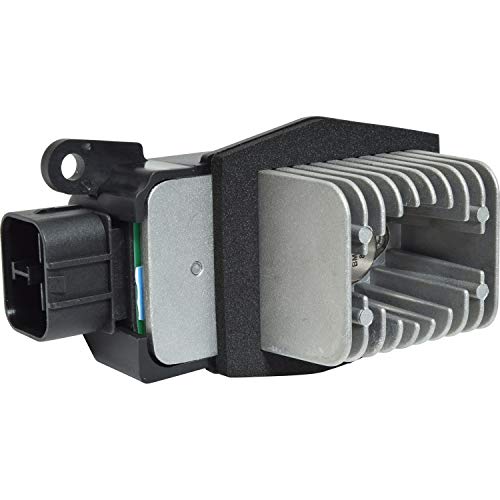 Representative Photo, actual item may vary
Universal Air Conditioner SW11355C HVAC Blower Motor Resistor


Universal Air Conditioner SW11381C HVAC Blower Motor Resistor


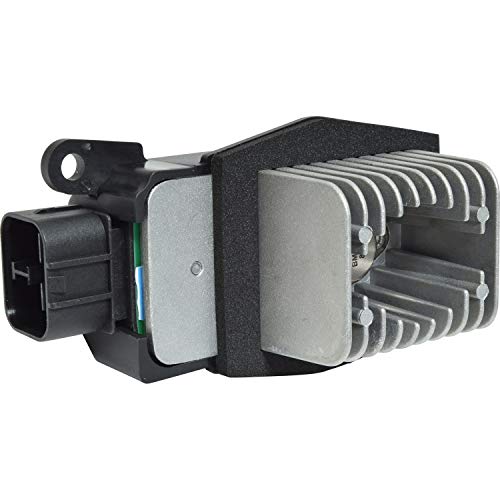 Representative Photo, actual item may vary
Universal Air Conditioner SW11215C HVAC Blower Motor Resistor


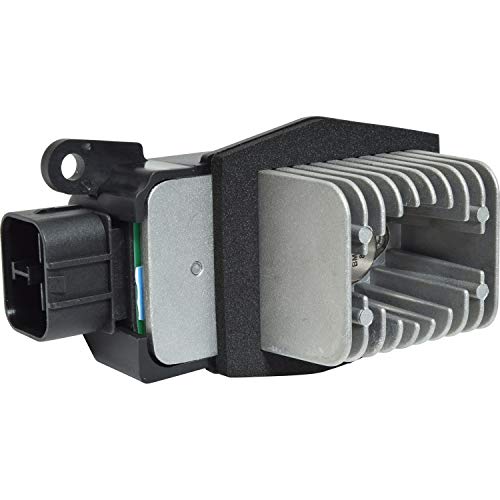 Representative Photo, actual item may vary

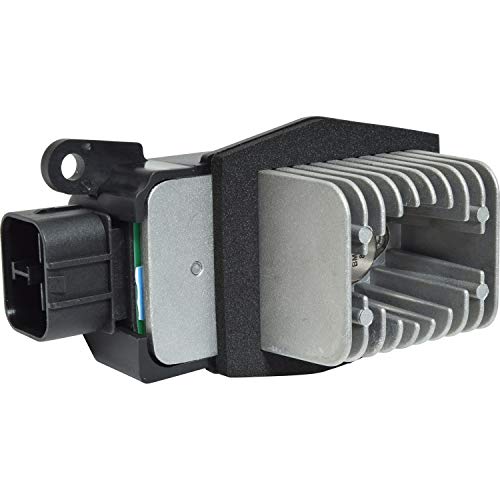 Representative Photo, actual item may vary




Professional Parts SWEDEN 87433262 HVAC Blower Motor Resistor

What Is an HVAC Blower Motor Resistor?
The blower motor resistor is a small but critically important electrical component tucked inside your vehicle's HVAC system. Its primary job is to regulate the speed of the blower fan — the motor responsible for pushing heated or cooled air through your cabin vents. When you turn the fan knob from speed 1 to speed 3, it's the blower motor resistor translating that input into action by controlling the amount of electrical current delivered to the blower motor.
Technically, the resistor works by creating electrical resistance in series with the blower motor circuit. Lower fan speeds route current through resistor elements that reduce power to the motor, producing a gentler airflow. At the highest fan setting, the resistor is typically bypassed entirely, allowing the motor to receive full voltage. In newer vehicles, this traditional resistor pack has evolved into a solid-state control module that sends a varied electronic signal to the blower motor — but the fundamental purpose remains the same.
Why Blower Motor Resistors Fail
Because the blower motor resistor handles significant electrical current and operates in the path of blower airflow, it is inherently exposed to heat stress. Overheating and corrosion are the most common causes of failure. A clogged cabin air filter, a worn blower motor drawing excessive amperage, or even moisture intrusion can all shorten the life of this component.
The telltale signs of a failing resistor are hard to miss: the fan may work at only one speed (usually the highest), stop responding to lower speed settings altogether, or cut out intermittently. In some vehicles, a failed resistor can shut down the fan entirely — leaving you without defrost, heat, or air conditioning until the part is replaced.
Why Replacing It Matters
A malfunctioning blower motor resistor doesn't just affect comfort. Poor windshield defrost performance is a direct safety concern, and a blower fan stuck at full blast is both distracting and inefficient. Fortunately, replacement is one of the more DIY-friendly HVAC repairs — in most vehicles, the resistor is accessible behind the glove box or in the passenger-side footwell, held in place by just two or three screws. Always verify an exact fit for your year, make, and model before purchasing, since even small dimensional differences can affect both fit and function.
Key Considerations When Shopping
- Vehicle fitment: Blower motor resistors are highly application-specific. Always cross-reference your year, make, and model to ensure compatibility.
- OE vs. upgraded design: Some aftermarket resistors improve on the original design with higher-temperature connectors to resist the heat-related connector melting that plagues certain OEM parts.
- Inspect the wiring harness: Before installing a new resistor, check the mating connector for signs of heat damage — a burned or melted connector can immediately damage a new unit.
- Check the blower motor too: A worn blower motor drawing excessive current is a frequent root cause of repeat resistor failures. Replacing both at the same time is often good preventive maintenance.
Top Brands in HVAC Blower Motor Resistors
When it comes to quality aftermarket blower motor resistors, Universal Air Conditioner (UAC) is a well-established name in the category. As an industry-leading full-line manufacturer of aftermarket air conditioning parts, UAC produces blower motor resistors manufactured and tested to meet or exceed OE specifications, backed by more than 30 years of experience serving mechanics and vehicle owners worldwide.