


Fuel Transfer Tank


Aluminum Tank Industries TTR51 51 Gallon Rectangle Aluminum Refueling Transfer Tank

Aluminum Tank Industries TTR46 46 Gallon Rectangle Aluminum Refueling Transfer Tank
 Representative Photo, actual item may vary

RDS 71083PC 45 Gallon Vertical Auxiliary Fuel Transfer Tank Black Powder Coated Aluminum


Aluminum Tank Industries TTL85S-B 85 Gallon L-Shape Split Transfer Tank Black


Aluminum Tank Industries TTR51-B 51 Gallon Rectangle Fuel Transfer Tank, Black

Aluminum Tank Industries TTL100 L-Shape Refueling Tank 100 Gallon DOT Approved


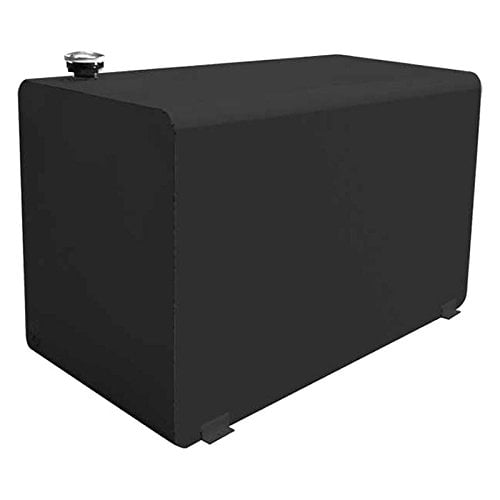 Representative Photo, actual item may vary


Aluminum Tank Industries TTR43 43 Gallon Rectangular Aluminum Fuel Transfer Tank


Transfer Flow 0800109417 50-Gallon Refueling Tank System - Gas, Diesel & Kerosene


Tradesman 73055 50-Gallon Vertical Liquid Storage Tank Black Diamond Plate Aluminum


Zeeline ZEDS-55LP 55-Gallon Low-Profile Portable DEF Station with 12V Pump

Tradesman 3290 Aluminum L-Shape Liquid Storage Tank Combo 80 Gallon with 48" Toolbox

 Representative Photo, actual item may vary
 Representative Photo, actual item may vary


RDS 70388PC 95 Gallon L-Shaped Aluminum Transfer Fuel Tank Black Powder Coat


Aluminum Tank Industries TTR38-B 38 Gallon Rectangular Refueling Transfer Tank Black Finish


Aluminum Tank Industries TTL80-B 80 Gallon L-Shaped Refueling Tank Black Powder Coat





 Representative Photo, actual item may vary
Goodall Mfg 53-539 Gas-All 100-Gallon Fuel Transfer and Storage Unit with Air Operated Pump


Aluminum Tank Industries TTL50-B 47 Gallon L-Shaped Transfer Tank Black Aluminum
Aluminum Tank Industries TTR43B 43 Gallon DOT Approved Rectangle Refueling Tank Black

Aluminum Tank Industries TTL95SB 95-Gallon L-Shape Aluminum Transfer Fuel Tank
- 1
- 2
A fuel transfer tank is a bed-mounted tank that lets you carry diesel, gasoline or other fuels to wherever the work is. Contractors, farmers, fleet operators, and off-road and overlanding travelers use them to refuel equipment, generators and trucks far from a service station. Some designs are also plumbed to supplement the factory tank, which extends driving range on long hauls.
Transfer Tanks vs. Auxiliary Tanks
The first thing to understand when shopping is the difference between a refueling transfer tank and an auxiliary tank. A transfer tank is a portable supply that you fill at a station and then use with a pump to refuel machinery or the truck itself. An auxiliary tank is designed to move fuel into the factory tank, either by gravity or with a pump system. Not every tank can be connected to a vehicle's fuel system, so always check the manufacturer's stated intended use before buying.
Key Considerations When Choosing
- Fuel type and compliance: Some tanks are rated for combustible fuels such as diesel only, while others carry DOT approval for gasoline, kerosene, methanol, diesel and aviation fuel. Confirm the tank suits your fuel and your commercial or personal use.
- Material: Aluminum is lighter and corrosion resistant, while 14-gauge steel offers rugged durability at a lower weight penalty than many expect.
- Shape and capacity: Rectangular, square, vertical and L-shaped designs work around wheel wells and leave bed space for cargo. Many tanks leave expansion room, so the safe fill level can be lower than the maximum capacity.
- Baffling: Internal baffles control fuel slosh and add structural strength while driving.
- Mounting and venting: Look for heavy-duty hold-down brackets, reinforced 2-inch NPT bungs for pump placement, and a lockable vented filler cap.
Top Brands
Aluminum Tank Industries is a U.S. manufacturer focused on aluminum transfer tanks, diesel auxiliary tanks and tank and tool box combinations. Its diamond plate tanks are built under a special U.S. Department of Transportation permit for aluminum refueling tanks, and they come in rectangular, L-shaped and split configurations to suit different truck beds.
Delta Machinery is well known for truck storage, and its steel liquid transfer tanks pair naturally with its crossover truck boxes. Its tanks use 14-gauge steel with internal baffles, lifting rings and lockable caps, and its Fuel-N-Tool combos put a transfer tank and a lockable tool chest into one unit. Delta states that some of its tanks are intended for combustible fuels such as diesel only, so check the model's specifications for your application.
Transfer Flow specializes in aftermarket fuel systems for pickups. Its in-bed auxiliary systems use the patented TRAX 4 controller to transfer fuel automatically into the factory tank at preset levels while you drive. The tanks are built in the USA from aluminized steel with robot-welded seams and are backed by a 6-year, unlimited-mile warranty.
Safe Use and Installation
Whatever tank you choose, secure it to the bed with the supplied brackets, keep the filler cap vented and locked, and use a filter on the pump outlet. Never exceed the rated safe fill capacity, and be sure to check local regulations covering fuel transport, especially for commercial use.