


Differential Housing Stud




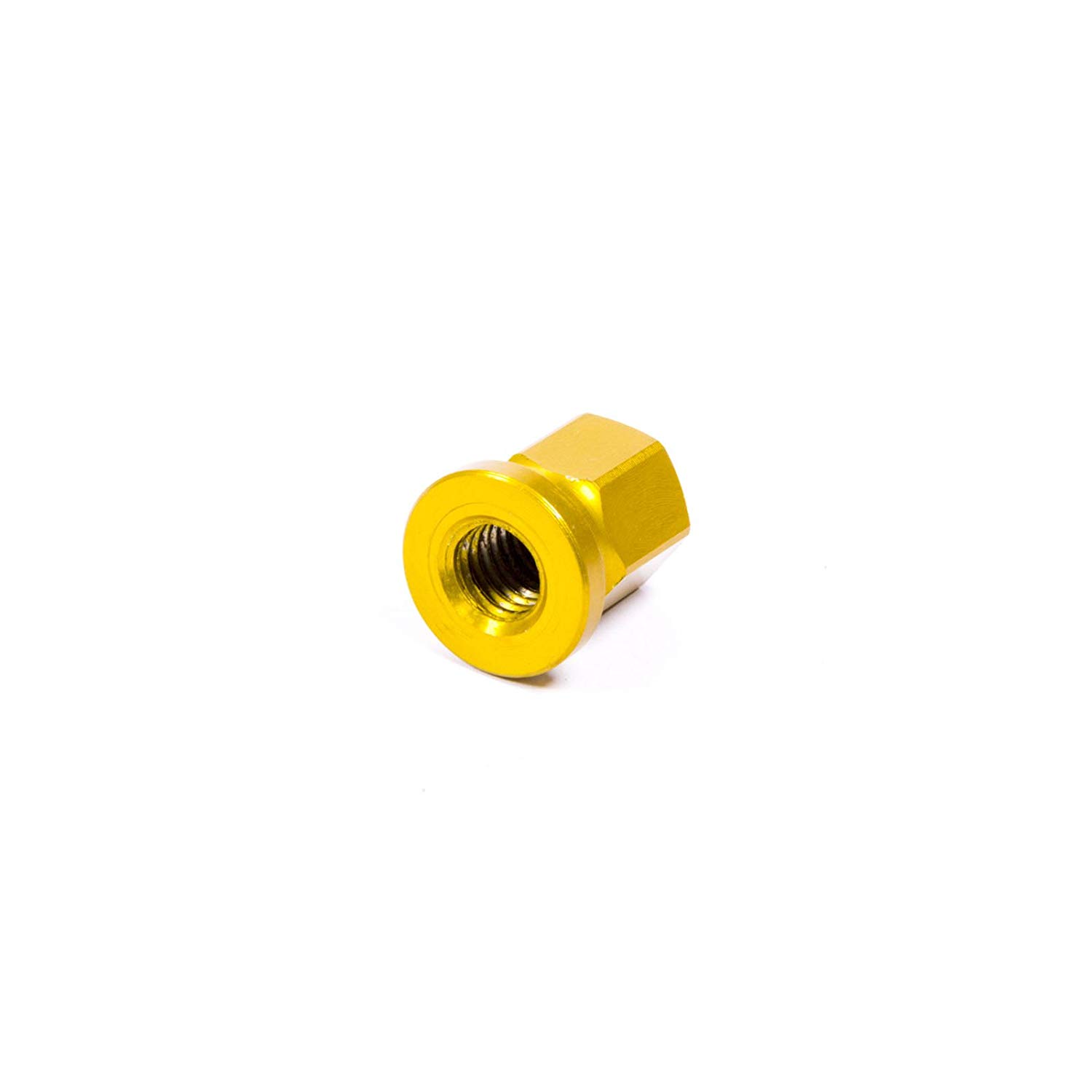 Representative Photo, actual item may vary


Differential housing studs are small fasteners with a big job. They thread into the axle housing and hold the differential carrier, or third member, firmly against the housing so the ring and pinion gears stay in precise alignment under load. In a drivetrain that transmits every bit of engine torque to the wheels, these studs are what keep the entire gear assembly where it belongs.
Why Differential Housing Studs Matter
The ring and pinion depend on tight, repeatable positioning. If the third member shifts even slightly, gear contact patterns change, heat and noise build up, and wear accelerates. Studs, paired with the correct nuts and washers, clamp the carrier to the housing evenly and maintain gasket or sealing-surface pressure so gear oil stays inside. Stripped, stretched or corroded studs can allow leaks, loosening, and in severe cases a damaged housing flange.
This is especially relevant in performance and racing builds. Higher horsepower, sticky tires, and repeated hard launches put far more stress on the housing-to-carrier connection than a stock street application ever would. Many builders replace worn or rusted hardware whenever a rear end is rebuilt, and upgrade to stronger studs when the drivetrain is modified.
What to Consider When Choosing Studs
- Thread size and pitch: Coarse (UNC) and fine threads are not interchangeable, so match the thread specification of your housing.
- Application fitment: Studs are typically sized for a specific axle family, such as the Ford 9-inch, so confirm the kit is intended for your housing and third member.
- Kit contents: Some sets are studs only, while others include nuts or washers. Check what you need to complete the job.
- Material and finish: Strength and corrosion resistance matter, particularly for vehicles exposed to moisture, road salt, or track use.
- Thread condition in the housing: Clean, undamaged threaded holes are essential for proper clamping. Chase the threads before installing new studs.
Installation Tips
Clean the housing flange and remove old sealant or gasket material before assembly. Install studs fully and square, use thread locker where the manufacturer recommends it, and tighten the nuts in a crisscross pattern to the specified torque. Even tightening prevents warping the mating surface and helps the joint seal properly.
Featured Brand: Speedmaster
Speedmaster differential housing studs are aimed at the performance and motorsport crowd. The brand is well known for rear-end components built around the Ford 9-inch, including modular aluminum housings, axle tubes, and the hardware that goes with them. Its housing-to-third-member stud kit for the Ford 9-inch uses a 3/8-inch UNC thread, making it a straightforward option for builders assembling or refreshing a 9-inch rear end.
Because studs, nuts, and housings work together as a system, many enthusiasts choose fasteners from the same maker as their housing and carrier components for consistent fit. Whether you are rebuilding a street car's rear axle or preparing a circle track machine, replacing tired hardware is an inexpensive way to protect a much more expensive drivetrain.