


Wire Wheel Tool


 Representative Photo, actual item may vary

 Representative Photo, actual item may vary



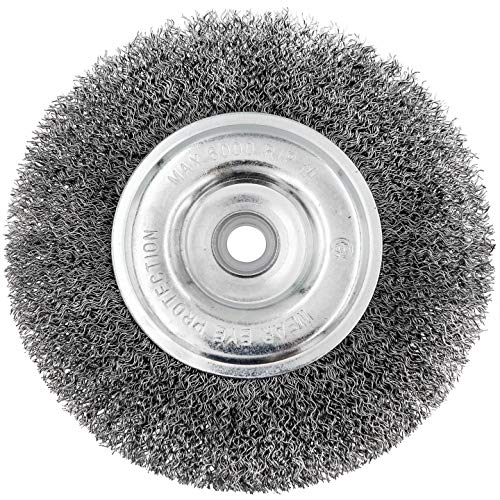
Shark Industries 14140 Crimped Wire Wheel Brush 10-Inch x 1-Inch Face x 1.25-Inch Arbor


Forney Welding 72268 Command PRO Cup Brush Crimped 1-1/2 Inch .014 Wire 1/4 Inch Shank
 Representative Photo, actual item may vary
Forney Welding 72255 Command PRO Crimped Wire Wheel 3 Inch x .008 Inch x 1/4 Inch Shank
 Representative Photo, actual item may vary
Forney Welding 72253 Command PRO Crimped Wire Wheel 2-1/2 Inch .014 Wire 1/4 Shank

Forney Welding 72252 Command PRO Crimped Wire Wheel Brush 2" x .014" Wire 1/4" Shank


 Representative Photo, actual item may vary

 Representative Photo, actual item may vary

 Representative Photo, actual item may vary
 Representative Photo, actual item may vary


 Representative Photo, actual item may vary


 Representative Photo, actual item may vary


 Representative Photo, actual item may vary

 Representative Photo, actual item may vary
Welding, Cutting, Tools & Access KH277 Coarse Wire Wheel Brush 3" Diameter 1/4" Shank
 Representative Photo, actual item may vary


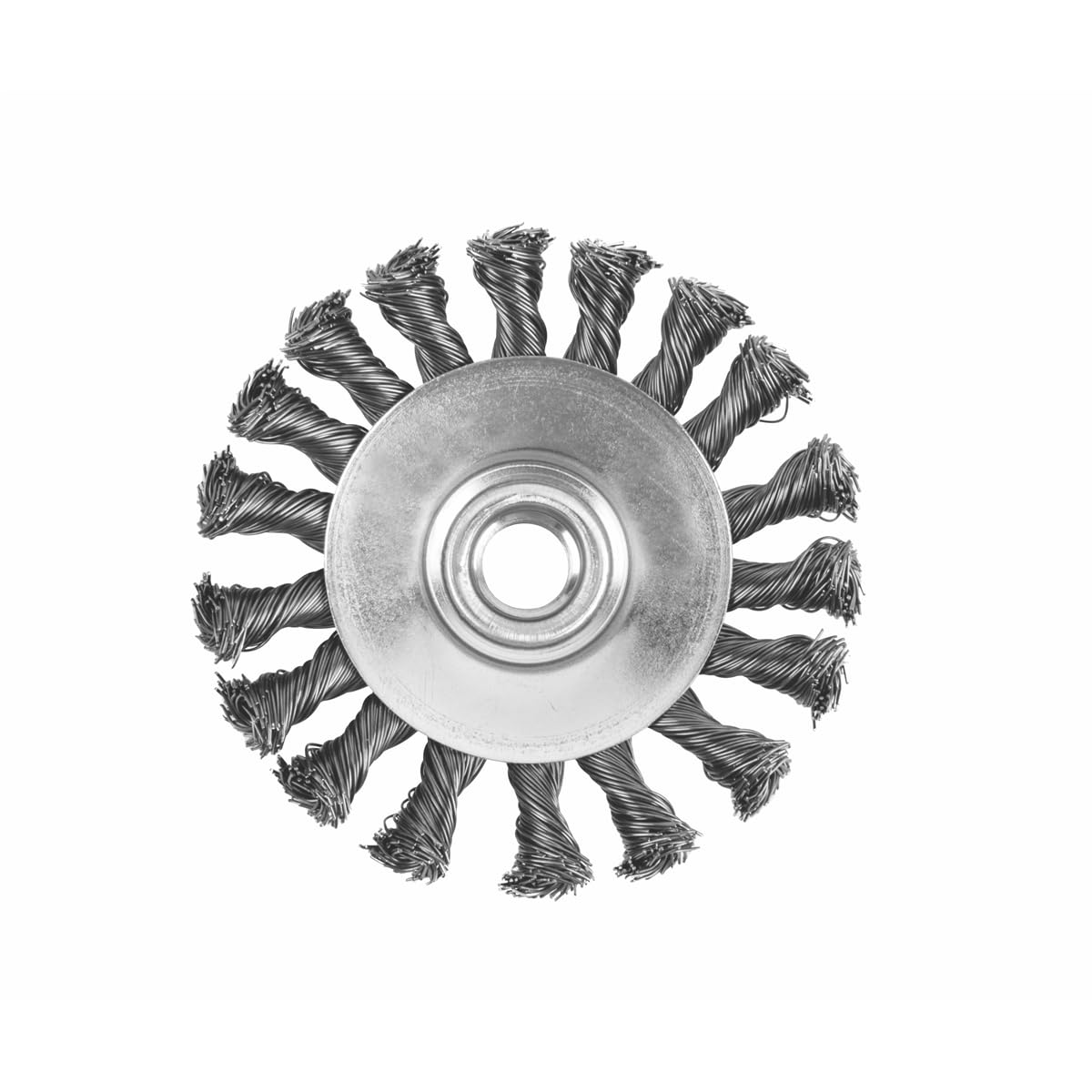 Representative Photo, actual item may vary

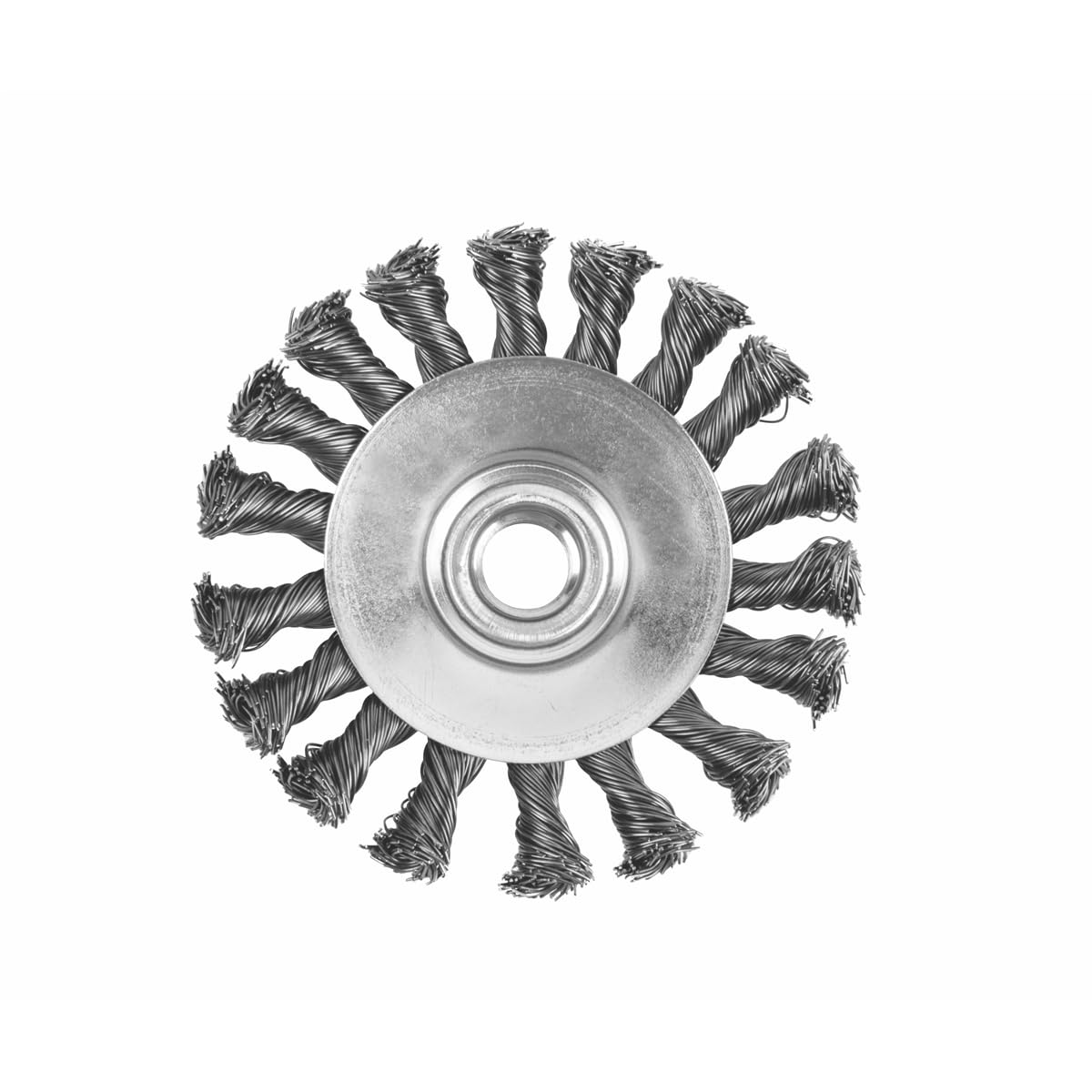 Representative Photo, actual item may vary


 Representative Photo, actual item may vary


Norton 88260 Bench and Pedestal Grinding Wheel 6" x 1" x 1" Coarse Grit Aluminum Oxide


Brush Research C3S14C Copper Center Wheel Brush 3" Diameter .014" Stainless Steel 1/2" Arbor


What Are Wire Wheel Tools?
Wire wheel tools are rotary abrasive brushes made up of wire bristles mounted on a hub, designed to be driven by bench grinders, angle grinders, die grinders, or power drills. Few shop tools are as versatile — a wire wheel can strip rust from a frame rail, clean weld spatter off a joint, deburr a machined edge, or remove old paint and scale in preparation for a fresh coat. Whether you're restoring a classic car, prepping metal for welding, or tackling corroded hardware, there's a wire wheel configuration built for the job.
How Wire Wheel Tools Work
Wire wheels work by rotating at high speed so the wire tips exert friction and mechanical impact against a metal surface. They excel at surface conditioning because, unlike solid abrasive grinding wheels, they are unlikely to remove base metal or significantly alter the profile of the surface you're working on. They're also non-loading, meaning they won't clog with removed material during use.
Choosing the right wire wheel comes down to three key variables:
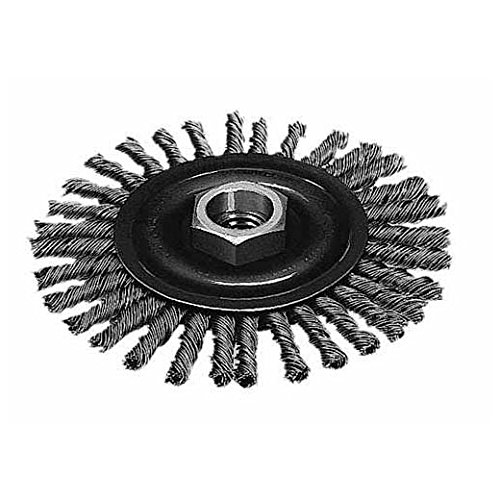
- Wire configuration: Crimped wires act as supports for one another, creating flexibility — ideal for irregular surfaces and light-to-medium cleaning. Twist knot (knotted) wires are twisted together like rope for a more rigid, aggressive action suited to heavy rust, thick scale, or demanding weld cleanup.
- Wire material: Carbon steel is the go-to for ferrous metals. Stainless steel wire is used on stainless or other non-ferrous metals to avoid cross-contamination. Brass wire is gentler and suitable for softer materials.
- Wire gauge and trim length: Finer wire gauges work best for light finishing and delicate surfaces; coarser gauges handle heavy-duty stripping. Shorter trim lengths increase aggressiveness, while longer trims add flexibility.
Applications in the Shop and on the Road
Wire wheel tools are indispensable for auto body and restoration work, MRO (maintenance, repair, and operations), welding fabrication, and general metalworking. Common tasks include removing rust and oxidation from chassis components, cleaning weld seams and bead profiles, deburring drilled holes, and stripping paint or underseal ahead of priming. A larger wheel mounted to a bench grinder handles broad surface work efficiently, while smaller stem-mounted wheels on a die grinder or drill reach tight corners and recessed areas that bigger tools can't touch.
Top Wire Wheel Tool Brands
Shark Industries is a leading name in this category, having supplied and manufactured abrasive products for the automotive aftermarket since 1983. Their broad wire wheel lineup spans crimped and twist knot styles in multiple diameters and wire gauges, designed for both shop and home use.
WEILER brings over a century of abrasive manufacturing expertise to their wire wheel range. An ISO 9001–certified global manufacturer, WEILER offers an extensive selection of crimped, knotted, stringer bead, and specialty wire wheels — including products made in the USA — engineered for consistent performance and long service life across industrial, fabrication, and DIY applications.
Eastwood Company is well regarded among automotive hobbyists and restoration enthusiasts, and their wire wheel offerings are aimed squarely at the garage builder tackling rust removal and surface prep on classic or project vehicles.
Brush Research brings an impressive depth of catalog with over 20 wire wheel products, making them a reliable source for specialty configurations and hard-to-find brush geometries for precision deburring and finishing applications.
Forney Welding is a trusted name in the welding and metalworking trade. Their wire wheel tools are a natural complement to their welding supply lineup, making them a convenient one-stop choice for welders who need surface prep brushes alongside their other consumables.
Safety Tips When Using Wire Wheels
Always wear eye and face protection — wire bristles can break off and become projectiles at operating speed. Never exceed the maximum RPM rating stamped on the wheel, and ensure your arbor size matches the grinder or drill you're using. Gloves and long sleeves add another layer of protection against stray wire filaments and sparks.