


Sanding Belt


Norton 699573-98022 SG Blaze R980P Ceramic Abrasive Belt 1/2" x 18" 60 Grit

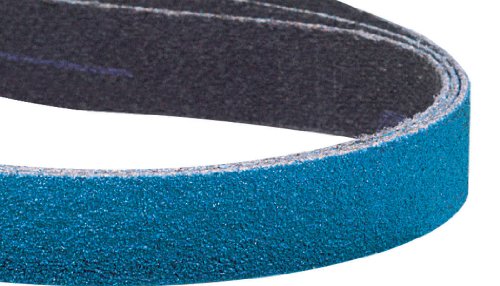 Representative Photo, actual item may vary





 Representative Photo, actual item may vary
SEM Products Sanding Belt


 Representative Photo, actual item may vary


 Representative Photo, actual item may vary

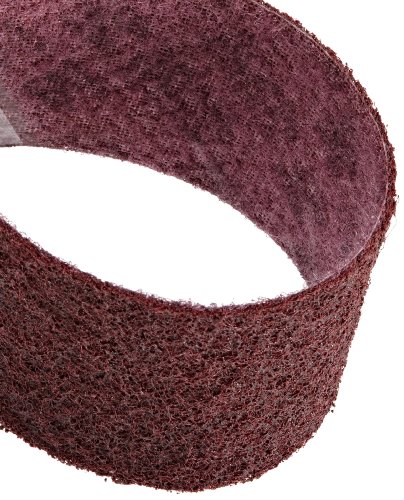 Representative Photo, actual item may vary
Scotch-Brite 048011-64474 Surface Conditioning Belt A/O Coarse 1/2 x 12 Inch

Norton 78072722580 Metalite R228 6" x 48" 50 Grit Aluminum Oxide Sanding Belt

 Representative Photo, actual item may vary
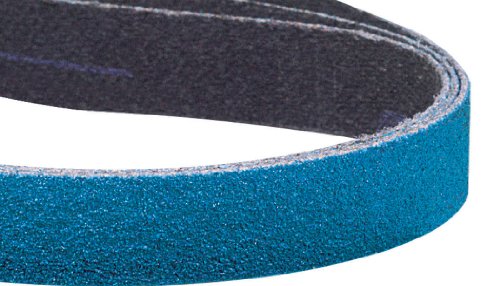 Representative Photo, actual item may vary
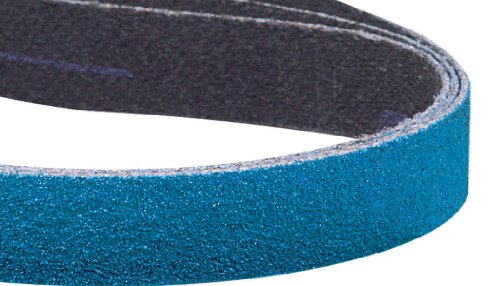 Representative Photo, actual item may vary
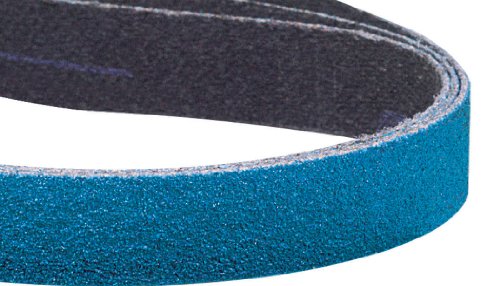 Representative Photo, actual item may vary
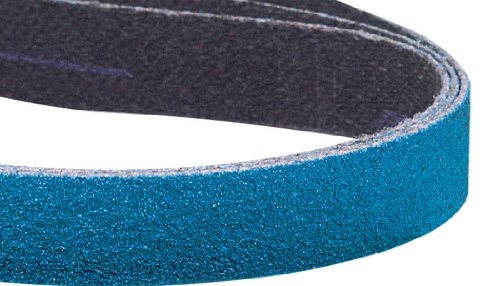 Representative Photo, actual item may vary

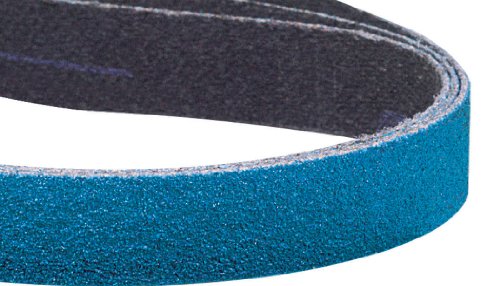 Representative Photo, actual item may vary
 Representative Photo, actual item may vary

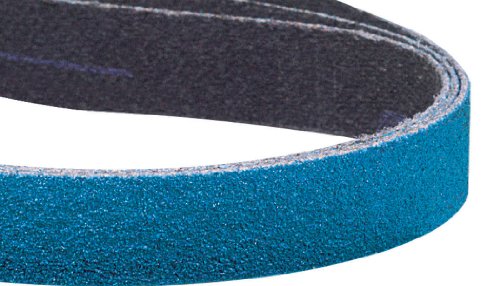 Representative Photo, actual item may vary
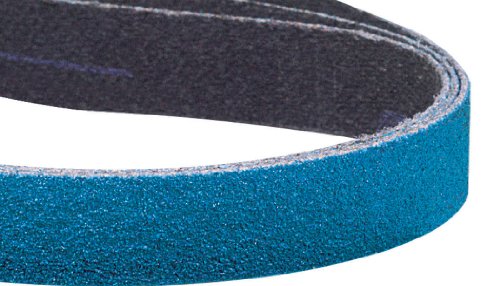 Representative Photo, actual item may vary

3M 64458 Scotch-Brite Durable Flex Surface Conditioning Belt 1/2" x 18" Medium Grit
 Representative Photo, actual item may vary


 Representative Photo, actual item may vary


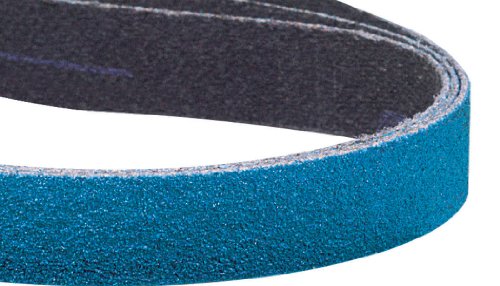 Representative Photo, actual item may vary


3M 638060-39629 Cloth Belt 340D P220 X-Weight 6 In x 48 In Aluminum Oxide Sanding Belt
 Representative Photo, actual item may vary


 Representative Photo, actual item may vary
 Representative Photo, actual item may vary


- 1
- 2
What Are Sanding Belts and Why Do They Matter?
Sanding belts are continuous loops of coated abrasive material designed to mount on belt sanders and file belt tools for fast, consistent material removal across a wide range of surfaces. In automotive and shop environments, they are essential for tasks like removing rust, smoothing welds, stripping paint, shaping body filler, and preparing metal surfaces before priming or coating. Because they cover more surface area per pass than disc or sheet abrasives, sanding belts are the go-to choice for high-volume, efficient stock removal.
Sanding belts come in a variety of widths, lengths, and grit ratings — and choosing the right combination makes a significant difference in results. Coarser grits (24–80) excel at aggressive material removal and weld grinding, while medium grits (100–180) are ideal for shaping and blending, and finer grits (220+) deliver smooth, finish-ready surfaces. The abrasive mineral matters just as much as the grit: aluminum oxide is a versatile workhorse, zirconia alumina provides a sharper, longer-lasting cut on metal, and ceramic abrasives run cooler and cut faster for the most demanding applications.
Choosing the Right Sanding Belt
When shopping for sanding belts, keep these key factors in mind:
- Size compatibility: Match the belt's width and length exactly to your sander or file belt tool — an improperly sized belt won't track correctly and can damage equipment.
- Abrasive mineral: Ceramic and zirconia belts last longer on hard metals; aluminum oxide is cost-effective for general-purpose use on softer substrates.
- Backing weight: Heavier cloth backings (X- or Y-weight) handle aggressive grinding; lighter backings offer more flexibility for contoured surfaces.
- Grit sequence: Step through grits progressively — don't jump from 36 to 220 in one pass, or you'll leave deep scratch patterns beneath the surface.
- Bond type: Resin-over-resin bonds resist heat better, making them preferable for power tool use at high speeds.
Top Sanding Belt Brands
3M is the category leader in sanding belts, backed by decades of abrasives innovation. Their broad lineup spans everything from general-purpose aluminum oxide belts to premium cubitron and ceramic-mineral constructions engineered for professional bodywork and metal fabrication. 3M's rigorous quality standards mean consistent grit distribution and reliable belt life across the entire product range.
Sunmight brings professional-grade ceramic abrasive technology to their file belts and portable sanding belts. Their ceramic belts are engineered to run cooler, cut faster, and outlast conventional alternatives — particularly useful when working in tight spots or removing spot welds on automotive panels.
Regis Manufacturing specializes in industrial abrasive belts suited for heavy-duty shop use. Their focused product line delivers dependable performance for applications where consistent cut rate and belt longevity are critical priorities.
Norton is one of the longest-established names in abrasives worldwide. Norton sanding belts are well-regarded among machinists and fabricators for their consistent mineral coating and durable backings, making them a reliable choice for both metal and automotive bodywork applications.
Dynabrade is known primarily for engineering precision pneumatic sanding and grinding tools, and their complementary sanding belt offerings are designed to pair seamlessly with their own equipment for optimized performance and consistent results in professional shop environments.