


Electronic Throttle Body Module Connector
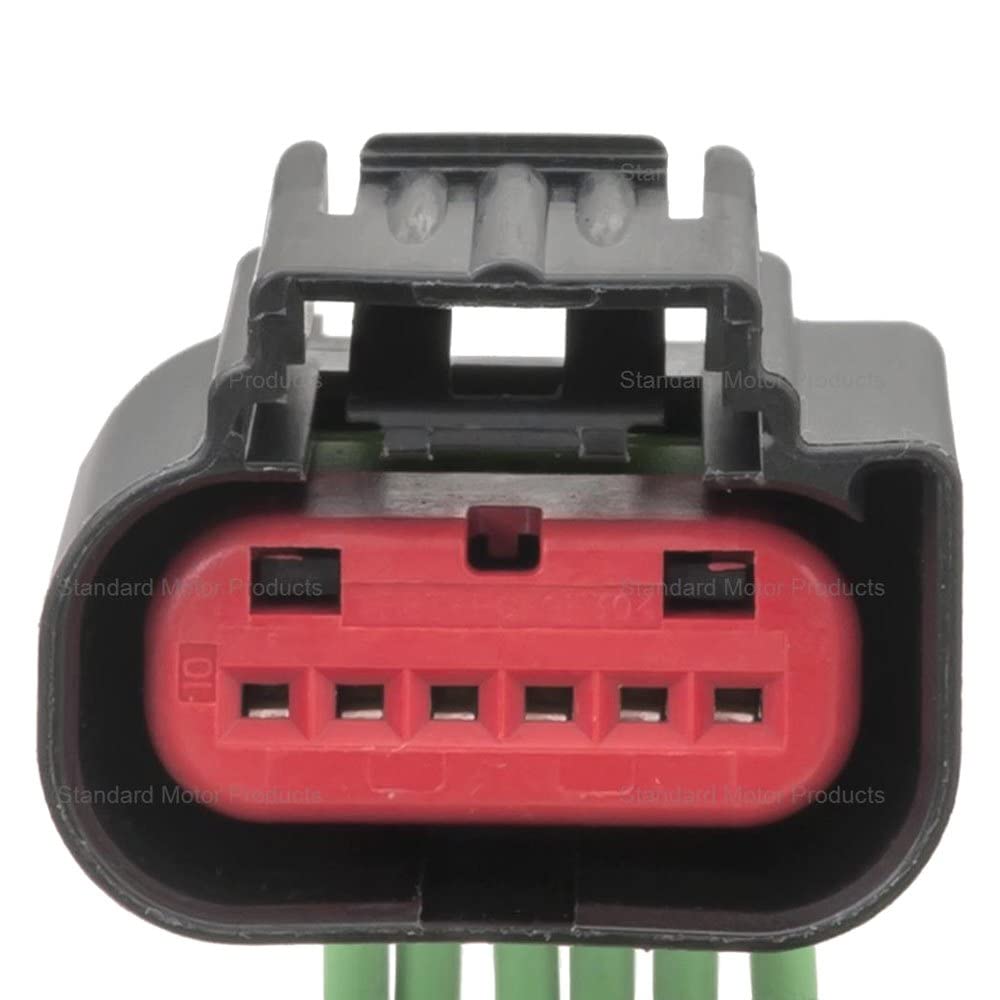 Representative Photo, actual item may vary


What Is an Electronic Throttle Body Module Connector?
Electronic throttle control (ETC) is an automotive technology that uses electronics to replace the traditional mechanical linkages between the driver's input — such as a foot pedal — and the vehicle's throttle mechanism, which regulates speed and acceleration. This concept is often called drive-by-wire, and sometimes referred to as accelerate-by-wire or throttle-by-wire. At the heart of this system is the electronic throttle body (ETB), and the module connector is the critical electrical interface that keeps communication flowing between the throttle body and the vehicle's control systems.
How the Electronic Throttle Control System Works
A typical ETC system consists of three major components: an accelerator pedal module with two or more independent sensors, a throttle valve that can be opened and closed by an electric motor (the electronic throttle body), and a powertrain or engine control module (PCM or ECM). When you step on the accelerator pedal, an electrical signal is sent to the engine control module, which then sends a control signal to an electric motor mounted to the throttle body, adjusting the position of the butterfly valve accordingly.
The Powertrain Control Module is the brains of the operation. While some ETC applications use a standalone control module, most rely on the PCM for control. The PCM analyzes the inputs from the accelerator pedal position sensor and commands the throttle body to act appropriately, then analyzes the feedback from multiple throttle position sensors to monitor and adjust blade position according to the driver's request and the vehicle's demand.
Why the Throttle Body Module Connector Matters
The electronic throttle body module connector is the electrical plug that links the throttle body's motor and sensors to the vehicle's wiring harness and control module. The throttle body does the actual work, but because of the complexity of the system, faults can occur. A corroded, cracked, or damaged connector can disrupt signal transmission, leading to poor throttle response, rough idling, hesitation under acceleration, or even a stored diagnostic trouble code (DTC). Replacing a faulty connector is a cost-effective repair that can restore full ETC function without replacing the entire throttle body assembly.
After installation, it's important to start the vehicle and check for proper throttle response and any diagnostic trouble codes related to the throttle body. A quality OE-replacement connector ensures the signal path remains clean, stable, and reliable under the heat and vibration typical of the engine bay.
What to Look for When Shopping
- OE Fitment: Look for connectors engineered to match original equipment specifications for your specific year, make, and model.
- Material Quality: Terminals featuring high-grade materials like copper alloy, brass, and phosphor bronze provide prolonged life and superior performance in harsh environments.
- Tested Reliability: Electrical connectors that are 100 percent tested for proper mechanical and electrical fit, form, and function ensure confidence in every installation.
- Locking Retention: A secure locking tab keeps the connector firmly seated against engine vibration, preventing intermittent faults.
Top Brands for Electronic Throttle Body Module Connectors
Standard Motor Products is the leading name in this category. Standard leads the way in advanced automotive technology with more than 60,000 products and provides complete coverage for domestic and import vehicles. Standard offers a full line of key components necessary to repair the electronic throttle control system, including ETB connectors — everything needed for a complete repair. With over 100 years in business, Standard Motor Products has a long history of producing high-quality products that meet industry standards for safety and performance.