


Guide Coat


 Representative Photo, actual item may vary


 Representative Photo, actual item may vary


 Representative Photo, actual item may vary

 Representative Photo, actual item may vary

 Representative Photo, actual item may vary

 Representative Photo, actual item may vary

 Representative Photo, actual item may vary


Eastwood Company 58496Z SEM Guide Coat Black Aerosol 16oz Primer Sanding Detection Spray

 Representative Photo, actual item may vary

Eastwood Company 13582ZP POR-15 Metal Prep Surface Preparation Etching Solution
 Representative Photo, actual item may vary


What Is Guide Coat and Why Does It Matter?
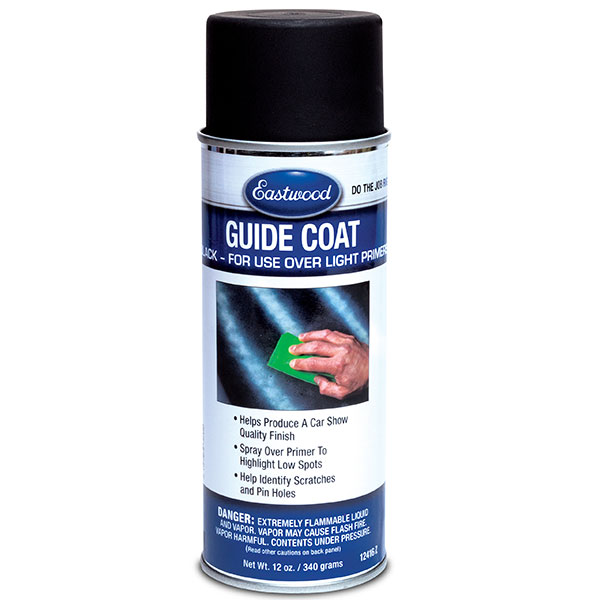
Guide coat is one of the most important — and most overlooked — tools in any auto body technician's arsenal. Guide coat is a thin layer of contrasting material (available in dry powder or aerosol spray form) applied over primer or body filler to reveal surface imperfections before final paint is applied. Whether you're restoring a classic car or repairing collision damage, guide coat acts as your quality-control checkpoint, exposing low spots, pinholes, scratches, and uneven areas that would otherwise ruin an otherwise flawless paint job.
The process is straightforward but highly effective. After priming a panel, you apply a thin coating of guide coat over the surface, then block-sand in an overlapping pattern. Areas where the guide coat sands away evenly indicate a flat, properly prepared surface. Any spots where the guide coat remains after sanding signal low spots that need additional filler or primer. Any areas where the guide coat disappears immediately point to high spots that need to be knocked down. By repeating this process, technicians can achieve panels that are truly laser-straight — a crucial step, especially for dark-colored vehicles where even slight surface waves become glaringly visible in direct light.
Dry Powder vs. Aerosol Guide Coat
Guide coat comes in two primary formats, each with its own advantages. Dry powder guide coats are carbon-based powders applied with a foam applicator. They require no masking, produce no overspray, and have zero drying time — making them a favorite in professional body shops where efficiency matters. Aerosol liquid guide coats spray on quickly and provide very uniform coverage, though they do require adequate drying time before sanding. Both formats are compatible with wet and dry sanding methods, giving technicians the flexibility to work within their preferred process.
When to Use Guide Coat
- After applying body filler — to confirm filler is flat with no ripples before priming
- After priming — to verify all primer scratches are fully sanded out and the surface is uniform
- Before final color application — as a last check to ensure no low spots, pinholes, or sand scratches remain
- When checking body lines and contours — guide coat powder highlights whether styling lines are straight and consistent
Top Guide Coat Brands
Indasa is a globally respected abrasives and refinishing products manufacturer whose dry guide coat is a go-to choice for professional body shops. Their powder-based formula is compatible with all refinish systems and comes supplied with a dedicated hand applicator for quick, consistent coverage with no masking or overspray required.
Eagle Abrasives is a North American specialist in coated abrasive products for the autobody, woodworking, and industrial sectors. Their guide coat offering is part of a comprehensive refinishing lineup designed to work seamlessly alongside their sanding and polishing systems.
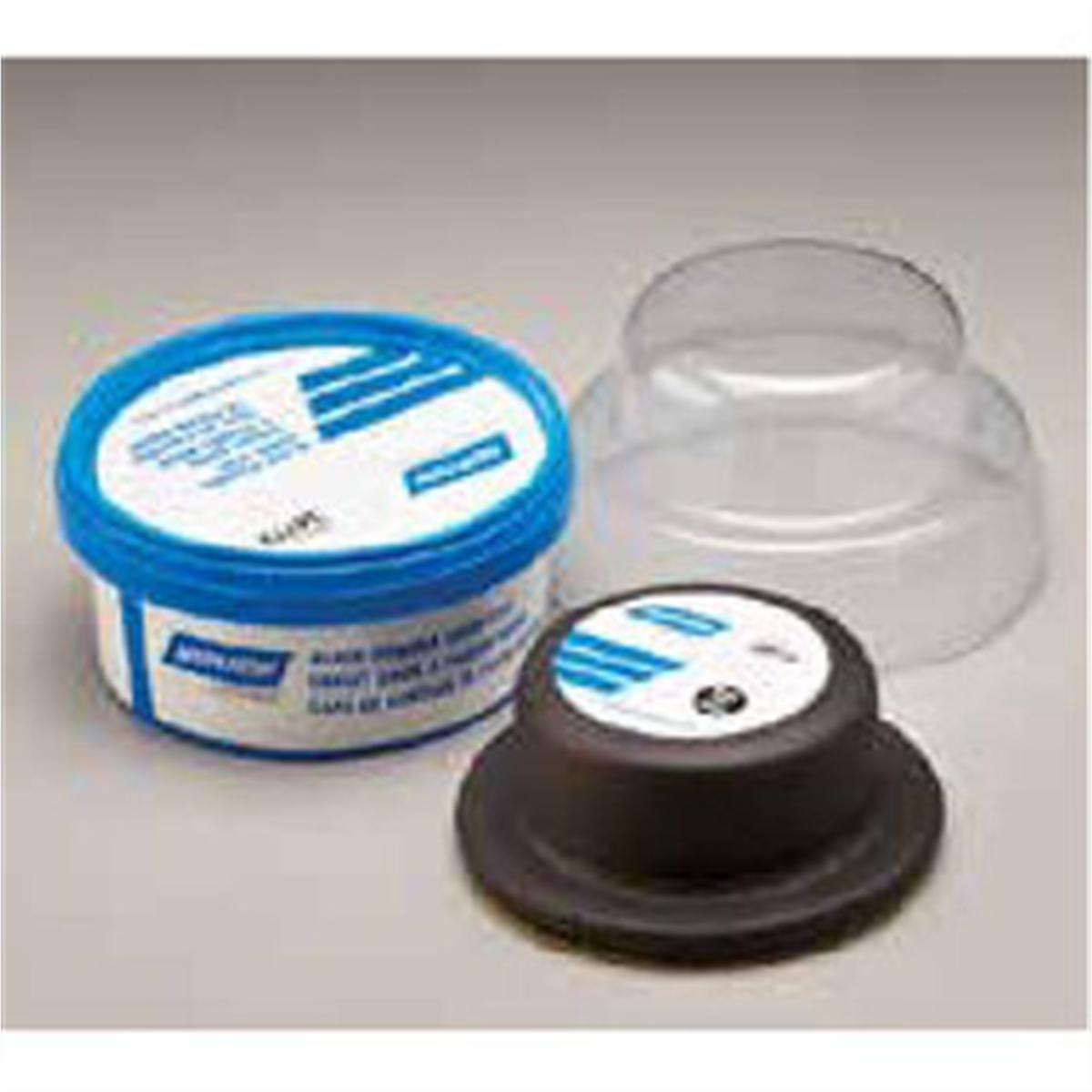
Norton is a trusted name with over 135 years of experience in abrasive technology. Their Black Powder Guide Coat provides technicians with a clear visual aid to ensure primed surfaces are totally smooth and even, and it works efficiently on body filler, primer, glazing putties, and other repair surfaces.
5 Star Advantage offers accessible, shop-ready guide coat solutions suited for both professional technicians and serious DIYers looking for reliable surface inspection at every stage of their body repair process.
SEM Products is a well-established brand in automotive refinishing chemistry, known for high-quality coatings and prep products. Their guide coat options integrate well into a complete body shop workflow, from surface prep through final color.