


Hole Saw


 Representative Photo, actual item may vary
Blair Carbide Tipped Hole Cutter


 Representative Photo, actual item may vary


 Representative Photo, actual item may vary


Starrett A014C Standard High Speed Steel Replacement Pilot Drill 1/4" for DH, AVH & SH Series Hole Saws


Starrett CT200 2" Tungsten Carbide Tipped Hole Saw High Performance Triple Chip 51mm
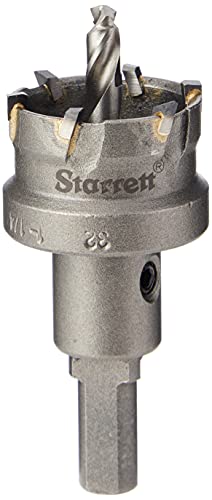 Representative Photo, actual item may vary
Starrett DCH0412-G DCH Series 4-1/2 in. (114mm) HSS Deep Cut Bi-Metal Hole Saw


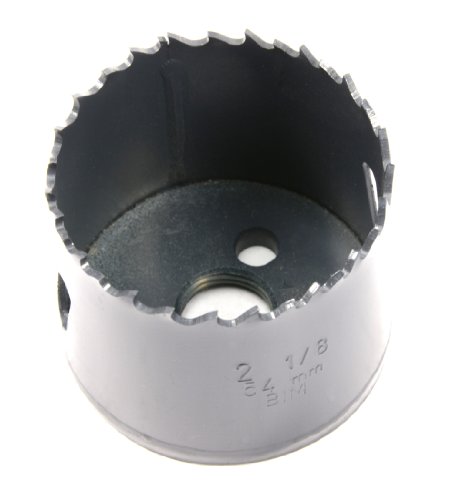 Representative Photo, actual item may vary


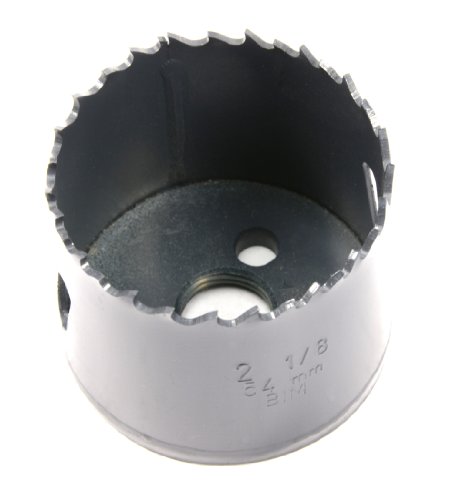 Representative Photo, actual item may vary


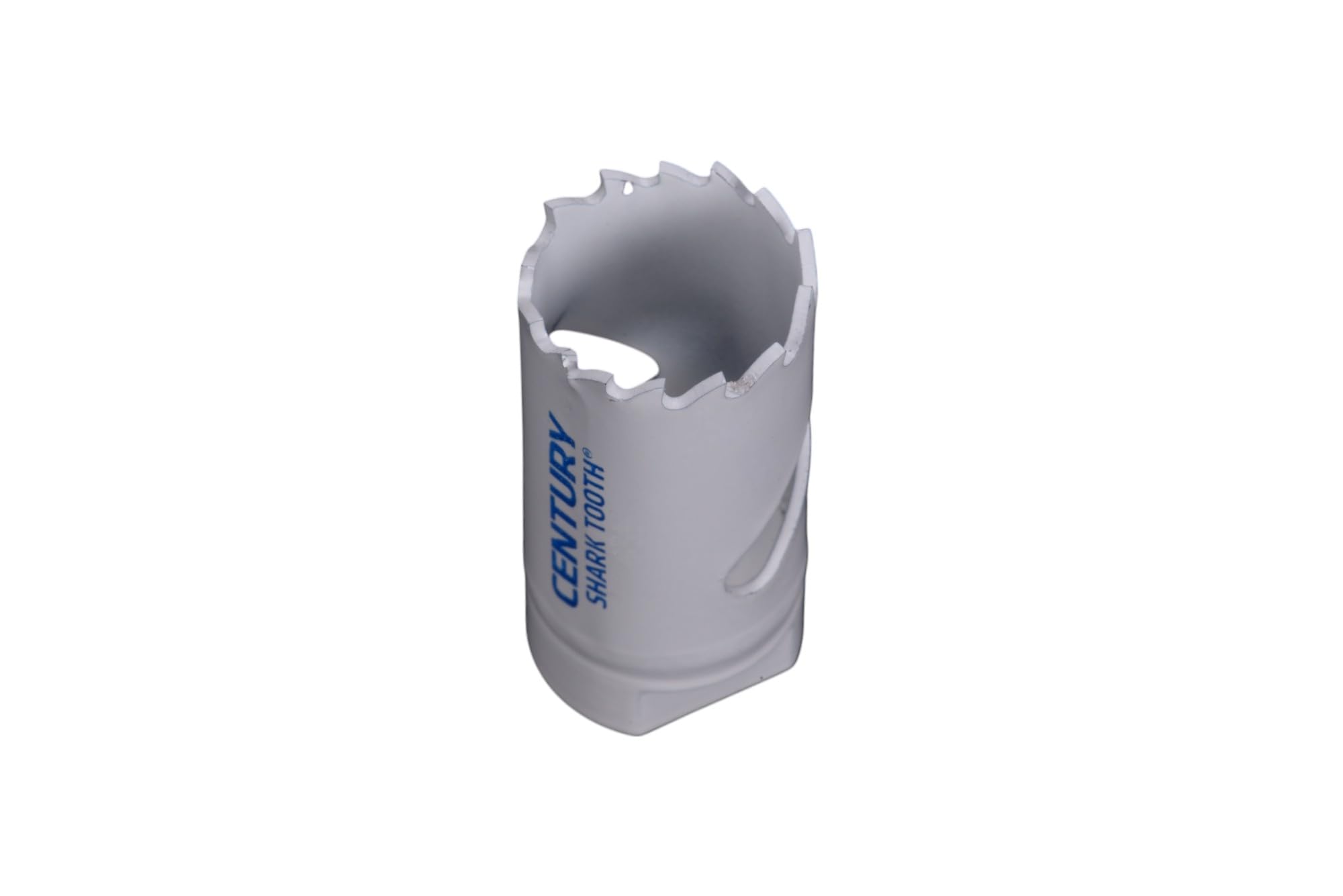 Representative Photo, actual item may vary
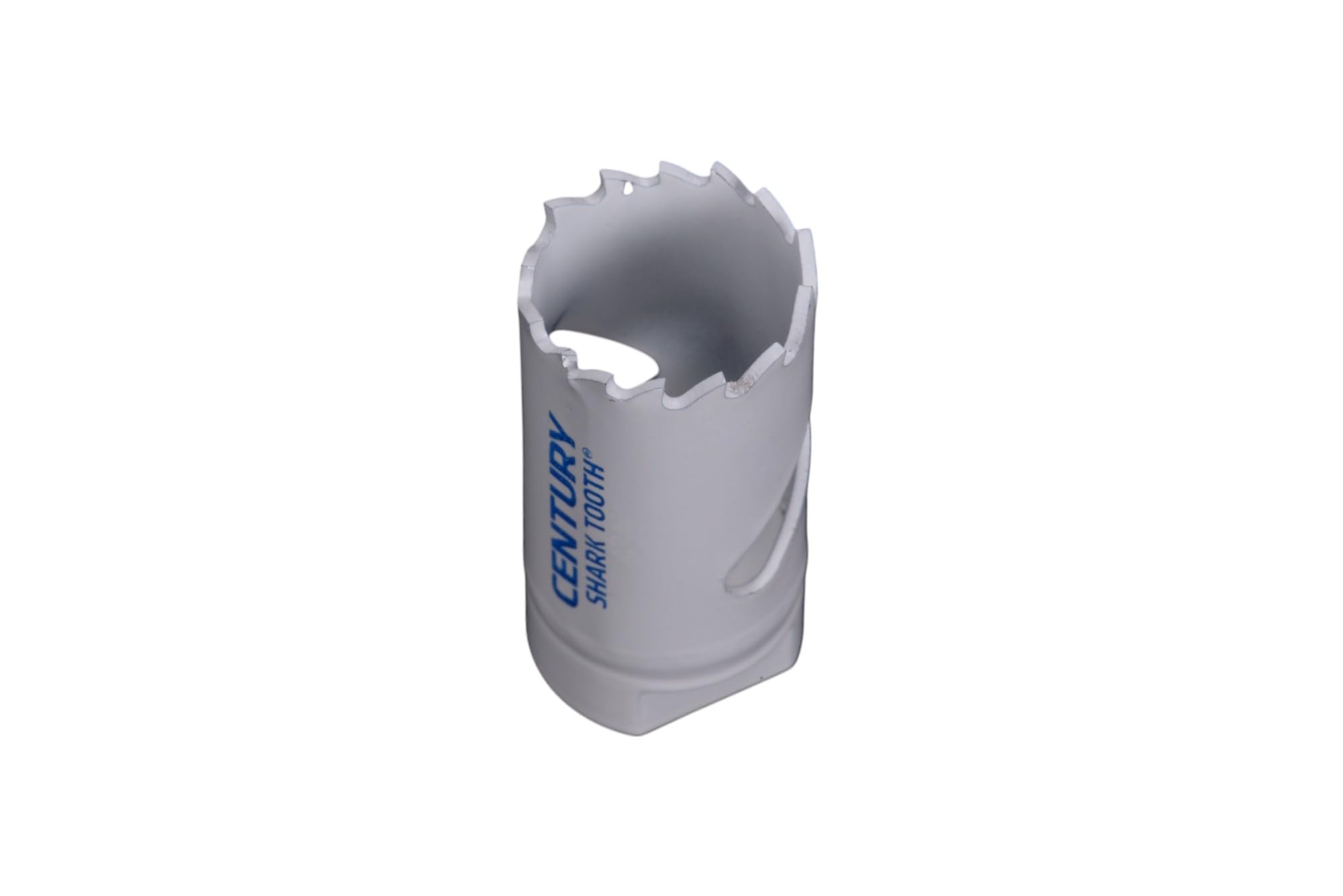 Representative Photo, actual item may vary


 Representative Photo, actual item may vary
- 1
- 2
What Is a Hole Saw and Why Does It Matter?
A hole saw is a cylindrical, ring-shaped cutting tool that attaches to a drill via an arbor and removes a clean, round plug of material — leaving behind a precise, finished hole. Unlike standard drill bits that reduce all cut material to chips and dust, a hole saw cuts only the perimeter of the hole, making it far more efficient when boring large-diameter openings through metal, wood, plastic, composite panels, and more.
In automotive, fabrication, and shop environments, hole saws are indispensable. Whether you're cutting grommets holes through a firewall, installing sensors, running new wiring looms, fitting exhaust or coolant lines, mounting speakers or gauges, or tackling custom fabrication work — a quality hole saw saves significant time and effort compared to grinding, drilling multiple passes, or using a step bit beyond its intended range. Choosing the right hole saw type for your material is the key to clean cuts and long tool life.
Types of Hole Saws to Know
- Bi-Metal Hole Saws: The most common type for general trade and shop use. A high-speed steel (HSS) tooth edge is welded to a flexible alloy steel body, offering excellent shatter resistance and versatility across steel, aluminum, stainless, and wood.
- Carbide-Tipped Hole Saws: Best suited for dense or abrasive materials such as fiberglass, cement board, tile backer, and hard plastics where standard bi-metal teeth would dull quickly.
- Annular Cutters / Rotabroach Style: These open-ended cutters remove only a thin ring of material, generating far less heat and friction than a traditional hole saw — particularly valuable for precision work in steel plate and structural steel.
- Diamond & Tungsten Grit Hole Saws: Designed for brittle, extremely hard materials like ceramic tile, stone, and glass where conventional teeth cannot gain purchase.
Key Factors When Choosing a Hole Saw
Before selecting a hole saw, consider the material you're cutting, the required hole diameter, and the available drill speed (RPM). Using cutting oil or wax when working through metal dramatically extends blade life and prevents overheating. Always keep the saw perpendicular to the work surface to reduce binding and slug seizure. For deep cuts, periodically pull the saw back to clear chips and restore airflow in the gullets. Arbor compatibility is equally important — verify that your chosen hole saw and arbor shank match your drill's chuck size.
Top Hole Saw Brands
Blair is the dominant name in this category, renowned for its precision annular cutters and Rotabroach-style hole cutting systems engineered specifically for metalworking and automotive fabrication. Blair's tools are a go-to choice for professionals who need clean, burr-minimizing holes in steel and sheet metal without the heat buildup associated with conventional hole saws.
Starrett brings over a century of precision tool manufacturing to its hole saw lineup. Known for exacting tolerances and premium high-speed steel construction, Starrett hole saws are trusted by machinists and tradespeople who demand consistency and long service life from every cut.
Morse (M.K. Morse) is a powerhouse in the hole saw world with a deep legacy of innovation — the company expanded into bi-metal hole saws in 1968 and later pioneered the industry's first one-piece hole saw design. Today, Morse offers a broad range of bi-metal, carbide-tipped, and specialty hole saws built for everything from plumbing and electrical trade work to demanding industrial applications.
Lenox is widely respected for its bi-metal hole saw kits and individual cutters designed for professional-grade durability. Lenox hole saws are engineered for fast cutting speeds and extended blade life, making them a reliable option for contractors and shop technicians handling high-volume cutting tasks across a variety of materials.
Remy rounds out the category with specialty hole cutting solutions suited for targeted applications.