


Hacksaw Blade





 Representative Photo, actual item may vary
Starrett 40076 Redstripe High Speed Steel Power Hacksaw Blade 21" x 1-3/4" 6 TPI


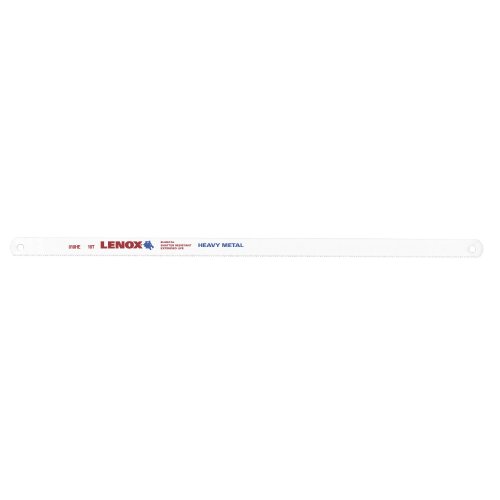 Representative Photo, actual item may vary

Lenox 20118232HE T2 Technology Hacksaw Blades 12" x 1/2" x .023" 32 TPI 100 Pack
 Representative Photo, actual item may vary
 Representative Photo, actual item may vary
 Representative Photo, actual item may vary

Performance Tool W739 4-Piece Hacksaw Blade Set 12-Inch 18/24 TPI High Carbon Steel

 Representative Photo, actual item may vary

 Representative Photo, actual item may vary


What Are Hacksaw Blades and Why Do They Matter?
A hacksaw blade is the consumable heart of one of the most versatile hand tools in any shop or garage. Whether you're trimming exhaust pipe, cutting threaded rod, slicing through copper tubing, or removing a seized bolt, the right hacksaw blade makes the difference between a clean, controlled cut and a frustrating, time-consuming ordeal. Understanding what separates a quality blade from a throwaway one — and knowing how to match blade specs to your material — is essential for anyone who works with metal regularly.
Key Specs to Understand Before You Buy
The most important variable in any hacksaw blade is TPI (teeth per inch). Finer blades in the 24–32 TPI range excel at cutting thin-walled tubing, sheet metal, and small-diameter rod where tooth chatter and snagging are concerns. Coarser blades in the 14–18 TPI range are better suited for thicker stock, where you need aggressive material removal and efficient chip clearance. A good rule of thumb: always keep at least two to three teeth in contact with the workpiece at any point during the cut.
Beyond TPI, blade material matters enormously. High carbon steel (HCS) blades are economical and flexible, suitable for softer metals and occasional use. Bi-metal blades — with a spring steel body and a high-speed steel (HSS) cutting edge — offer the best of both worlds: the flexibility to resist snapping combined with the hardness to hold a sharp edge through demanding cuts. For the toughest alloys, cobalt bi-metal construction takes durability a step further, handling hardened steel and stainless with greater resilience.
Top Hacksaw Blade Brands
Starrett is widely regarded as a benchmark in cutting tool quality. Their hacksaw blades are available in bi-metal, high-speed steel, and high carbon steel variants, including the Safe-Flex® and Grey-Flex® lines. Starrett's bi-metal blades are made using a patented solid-state diffusion process that provides 170% more HSS weld area and precision-ground teeth, resulting in smoother cuts and extended blade life compared to stamped-tooth alternatives.
Lenox has been engineering cutting solutions since 1915 and brings serious innovation to the hacksaw blade category. Their T2™ Technology bi-metal design features a spring steel body and HSS cutting edge that allows the blade to flex without shattering, while the proprietary Tough Tooth geometry helps resist tooth strippage even under heavy loads. Lenox hacksaw blades are compatible with most standard hacksaw frames on the market.
Forney Welding brings its deep metalworking heritage — the company has been family-owned since 1932 — to a line of cobalt bi-metal hacksaw blades built for tough cutting environments. Forney's cobalt flex blades are engineered for cutting most metals and feature construction that makes them nearly shatterproof, a natural fit for shop and welding environments where abuse is the norm.
Morse is a trusted name in industrial cutting tools with a long history of manufacturing high-quality saw blades. Morse hacksaw blades are a solid choice for tradespeople and shop mechanics who need dependable performance on ferrous and non-ferrous metals alike.
Irwin Hanson rounds out the lineup with blades built for durability and everyday workshop use. Known for their broad tool catalog and wide availability, Irwin hacksaw blades are a reliable go-to for general-purpose cutting tasks in automotive and DIY settings.
How to Get the Most from Your Hacksaw Blade
- Match TPI to material thickness — finer for thin stock, coarser for thick.
- Tension your blade properly in the frame; a loose blade will wander and wear unevenly.
- Use consistent, full-length strokes to distribute wear across all teeth.
- Let the blade do the work — excessive downward pressure accelerates tooth wear without speeding up the cut.
- Replace blades at the first sign of wandering, burning, or loss of bite — dull blades waste time and can damage workpieces.