


Circular Saw


DEWALT DCS565B 20V MAX XR 6-1/2 in. Brushless Cordless Circular Saw (Tool Only)

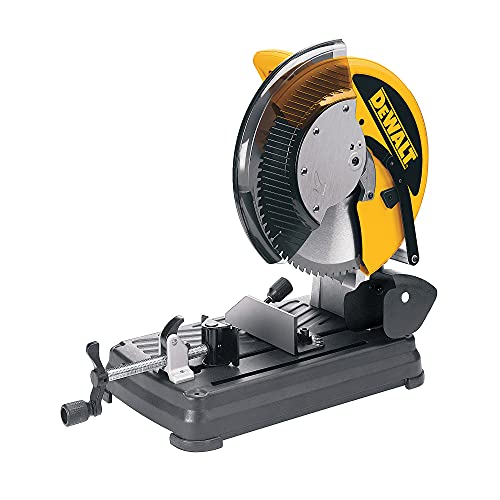 Representative Photo, actual item may vary
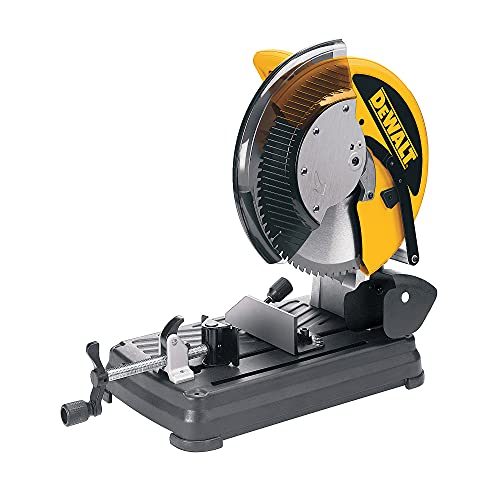 Representative Photo, actual item may vary
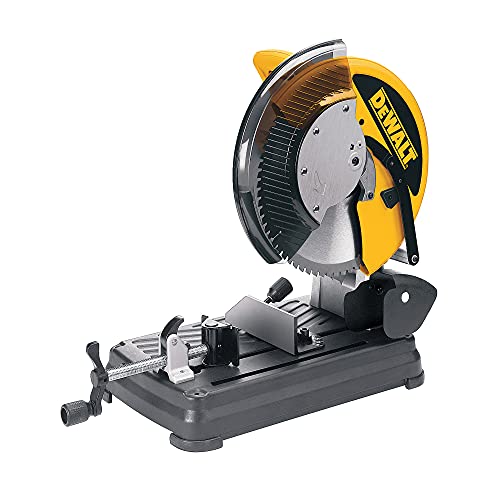 Representative Photo, actual item may vary


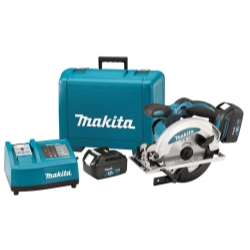 Representative Photo, actual item may vary


What Is a Circular Saw?
Circular saws are among the most versatile power tools in any workshop, garage, or job site. At their core, they feature a toothed or abrasive disc that spins around an arbor, allowing the tool to slice through materials with speed and precision. Whether you're framing walls, breaking down sheet goods, or cutting through metal stock for an automotive project, a circular saw delivers results that would be difficult — or impossibly slow — to achieve with hand tools alone.
What Can a Circular Saw Cut?
The short answer: nearly everything, with the right blade. For woodworking, a circular saw handles softwoods like pine and cedar, hardwoods like oak and maple, and engineered sheet goods like plywood, MDF, and OSB. When equipped with the appropriate blade, it can also cut metals including ferrous materials like steel and non-ferrous materials such as aluminum. Specialized blades even allow cutting through PVC, acrylic, and certain masonry materials.
Blade selection is everything. A fine-tooth blade produces clean crosscuts in wood, while special abrasive or carbide-tipped blades are required for efficient, clean metal cutting. Matching the blade to the material is the single most important step before making any cut.
Types of Circular Saws
- Sidewinder (Inline): The most common type — compact, lightweight, and portable. Blade sizes typically range from 5.5" to 7.25" in diameter. Ideal for general woodworking, plywood, and framing tasks.
- Worm-Drive: Motor positioned behind the blade for enhanced torque and power. Preferred on heavy-duty job sites and for demanding cuts through thick lumber or stacked materials.
- Mini / Compact Metal-Cutting Saws: Smaller-format saws engineered specifically for cutting metal — rebar, conduit, sheet metal, and tubing — making them a favorite in auto restoration and fabrication shops.
- Corded vs. Cordless: Corded saws offer consistent power for extended use, while cordless models provide the portability to work on job sites, in garages, or outdoors without being tethered to an outlet.
Key Considerations When Buying a Circular Saw
Before purchasing, consider the primary material you'll be cutting. A standard sidewinder excels at wood and general construction tasks, while a metal-cutting circular saw — often with a carbide-tipped blade and chip-collection system — is the better choice for automotive fabrication and metalworking. Motor amperage, blade diameter, depth-of-cut capacity, and bevel adjustment range are all worth comparing. If portability matters, check battery platform compatibility for cordless models.
Safety is equally important: always wear eye and hearing protection, ensure your work area is clear, and use a saw guide or fence to keep cuts straight and accurate.
Top Brands in Circular Saws
Eastwood Company brings decades of automotive restoration expertise to its circular saw lineup. Founded in 1978, Eastwood built its reputation serving car enthusiasts and restoration professionals, and their metal-cutting circular saws are engineered specifically for shop tasks like cutting body panels, rebar, conduit, tubing, and plate — making them a natural fit for fabricators who work with steel and aluminum daily.