


Engine Block


S&S Cycle 310-1170 MK-Series Engine Case Crankcase Assembly Kit, Black Aluminum


Speedmaster 1-286-001-01 H1 SBC 350 4-Bolt Billet Main Bare Engine Block


Speedmaster 1-286-004-01 Ford 351W Windsor 4-Bolt Billet Main Iron Engine Block


 Representative Photo, actual item may vary


 Representative Photo, actual item may vary
Ford Racing Aluminum Engine Block


 Representative Photo, actual item may vary


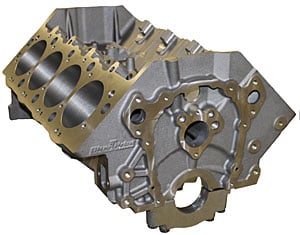
BluePrint Engines GM LS Compatible Bare Block Deck Bore SIAM Steel Billet Main Caps


BluePrint Engines Small Block Ford Bare Block Deck Bore SIAM Ductile Cast Main Caps
 Representative Photo, actual item may vary


Skunk2 639-05-0605 VTEC Solenoid Block-Off Plate Engine Block


Fleece Performance FPE-LTR-SD10X Freedom Series LTR Standard Deck Wet Aluminum Block

 Representative Photo, actual item may vary

 Representative Photo, actual item may vary
 Representative Photo, actual item may vary

Skunk2 639-05-0600 VTEC Solenoid Block-Off Plate Engine Block

Fleece Performance FPE-LTR-FMJ-SD10X Freedom Series LTR Standard Deck Solid Aluminum Engine Block
 Representative Photo, actual item may vary

 Representative Photo, actual item may vary
 Representative Photo, actual item may vary

Fleece Performance FPE-LSR-SD10X GM LSR Standard Deck Wet Aluminum Engine Block
Fleece Performance FPE-LSR-FMJ-SD10X Freedom Series LSR Standard Deck Solid Aluminum Engine Block
 Representative Photo, actual item may vary
 Representative Photo, actual item may vary
 Representative Photo, actual item may vary

 Representative Photo, actual item may vary



 Representative Photo, actual item may vary
 Representative Photo, actual item may vary


 Representative Photo, actual item may vary


BluePrint Engines BPP12110346 SBC Engine Block 2-Piece Rear Seal 9.025 Deck 4.125 Bore

BluePrint Engines BPP12110342 Small Block Ford 302 Bare Engine Block 8.200 Deck 4.000 Bore SIAM
What Is an Engine Block and Why Does It Matter?
The engine block is the backbone of every internal combustion engine. This large, precision-machined casting houses the cylinders, crankshaft, camshaft bores, and oil passages that make an engine function. Everything else — pistons, rods, heads, the entire valvetrain — is built around it. For a street driver, a stock block may serve perfectly well for years. But for builders chasing serious horsepower, sustained high-RPM operation, forced induction, or increased displacement, choosing the right aftermarket engine block is one of the most critical decisions in the entire build.
Stock production blocks are designed around economy and manufacturing efficiency. Their cylinder walls have limited overbore potential, and their structural rigidity is engineered for factory power levels — not the kinds of loads generated by superchargers, turbochargers, or nitrous. An aftermarket performance block, by contrast, is built from the ground up with thicker cylinder walls, reinforced main cap areas, superior alloys, and tighter machining tolerances to handle far greater stresses reliably.
Cast Iron vs. Aluminum: Choosing Your Foundation
One of the first choices in selecting a performance engine block is material. Cast iron blocks are heavier but offer excellent rigidity, easier machining, and proven durability under sustained high loads — they remain a favorite in drag racing and circle track applications. Aluminum blocks shed significant weight and improve weight distribution, making them popular in road racing, Pro Touring, and street/strip builds. Aluminum blocks are often paired with iron or steel cylinder sleeves to ensure bore durability under high boost and extreme heat.
Other key considerations include deck height (which determines maximum stroke), bore diameter and spacing, main cap bolt pattern, and whether the block uses a wet- or dry-sump oiling provision. Getting these specifications right for your intended application — whether it's a high-winding naturally aspirated build or a boosted big-cube monster — is fundamental to a successful engine project.
Top Engine Block Brands
Dart Machinery is widely regarded as the benchmark in aftermarket engine blocks. Founded in 1981, Dart has become the leader in aftermarket cylinder heads, intake manifolds, and engine blocks. Dart offers a wide selection of meticulously engineered engine blocks, including cast iron and aluminum options, crafted to handle maximum power reliably. Their lineup spans platforms including small-block and big-block Chevy, small-block Ford, LS, Gen III Hemi, and even the world's first-ever aftermarket cast-iron Toyota 2JZ engine block — the Iron Eagle 2JZ. Every single Dart casting is 100% made in the United States from start to finish.
GM Performance brings factory-backed engineering credibility to the performance block market. Their LSX-series blocks, for example, use six-bolt main caps with cross-bolting for enhanced bottom-end rigidity, reducing crank flex and improving bearing life under extreme loads. GM Performance crate engines are designed with standardized motor mount bosses and bellhousing patterns for broad compatibility across GM platforms, including trucks, muscle cars, and aftermarket chassis.
Darton Sleeves takes a different approach to block performance by engineering precision cylinder sleeves that dramatically improve the strength and bore capacity of existing blocks. Darton pioneered modular sleeve designs and specialty ductile iron material beginning with the manufacture of top fuel sleeves for Keith Black Racing Engines and Milodon Engineering in 1978. Their patented Modular Integrated Deck (MID) system uses a unique designed cylinder sleeve which, when siamesed and nested, creates a solid deck of sleeve flanges held in tension, reinforcing the upper deck area. Darton also incorporates their proprietary "Swirl Coolant Technology" to enhance water flow in and around the flange area.
Ford Racing offers engine blocks purpose-built for Ford platform enthusiasts, providing OEM-pedigree engineering with performance-spec upgrades suited for race and high-performance street builds on popular Ford engines.