


Sanding Board





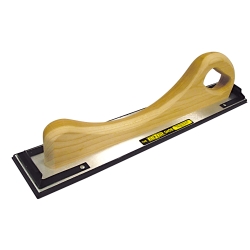 Representative Photo, actual item may vary

What Is a Sanding Board and Why Does It Matter?
A sanding board — sometimes called a longboard sander or hand sanding block — is one of the most essential hand tools in any auto body technician's arsenal. Unlike a small sanding block that covers only a few square inches, a sanding board spans a longer, flat surface, allowing the user to level body filler, primer, and paint over broad, curved, or flat body panels. The result is a surface that is truly flat and free of the high and low spots that a short block or random orbital sander can miss.
In professional bodywork and collision repair, achieving a straight, smooth panel before applying a topcoat is the difference between a show-quality finish and one that telegraphs every imperfection under direct light. Sanding boards are specifically designed to bridge small depressions and high spots, cutting down the high areas first and revealing any remaining lows — a technique often called blocking out a panel. This step cannot be shortcut if the goal is a factory-quality result.
How Sanding Boards Are Used
Sanding boards are typically used with self-adhesive PSA sandpaper strips or hook-and-loop abrasive sheets, in grits ranging from coarse (around 40–80 grit) for shaping body filler all the way through finer grits (180–320+) for final primer leveling before paint. The length of the board — commonly ranging from about 2.75 inches wide and 16 to 30 inches long — allows technicians to work across large areas like doors, hoods, and quarter panels efficiently. Most boards feature flexible or semi-rigid backings that can conform slightly to mild contours without sacrificing the leveling action that makes them effective.
Top Sanding Board Brands
Hutchins is the dominant name in sanding boards, accounting for the vast majority of professional shop use. Known for their durable construction and wide range of board sizes, Hutchins sanding boards are a go-to for body technicians who demand consistent results on everything from spot repairs to full panel reskins.
Motor Guard brings a practical, no-nonsense option to the sanding board category, offering boards suited for the hobbyist and professional alike who need a reliable flat sanding surface for panel prep work.
SG Tool Aid rounds out the lineup with sanding board solutions targeted at both professional technicians and serious DIYers, providing quality construction at an accessible price point for shops looking to stock multiple boards across workstations.
3M is a globally recognized name in abrasives and surface preparation, and their sanding boards reflect the same engineering focus on consistent material removal and durability that the brand brings to its full line of automotive finishing products.
Choosing the Right Sanding Board
- Length: Longer boards (24–30") are ideal for large flat panels; shorter boards work better on smaller sections or tighter curves.
- Flexibility: Semi-flexible boards handle mild contours; rigid boards are best for perfectly flat surfaces.
- Abrasive compatibility: Confirm whether the board accepts PSA (adhesive-backed) or hook-and-loop sandpaper strips before purchasing.
- Grip and ergonomics: Look for boards with comfortable grip areas or handles to reduce fatigue during extended sanding sessions.
Whether you are a professional body technician blocking out a fresh coat of primer or a dedicated DIYer perfecting a restoration project, the right sanding board is a foundational tool for achieving a truly professional finish.