


Lock Lubricant
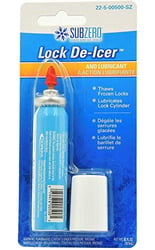

What Is Lock Lubricant and Why Does It Matter?
Every lock on your vehicle — from door cylinders and trunk latches to ignition and padlocks — relies on close-tolerance internal components that slide, turn, and compress thousands of times over a vehicle's life. Lock lubricant is a specially formulated product designed to reduce friction inside these mechanisms, keeping every turn of the key smooth, quiet, and reliable. Without it, dust, road debris, and moisture slowly infiltrate lock cylinders, causing keys to stick, tumblers to bind, and locks to eventually seize entirely.
Lock lubricant reduces friction within a lock while also acting as a moisture and rust repellent — a combination that is especially important for exterior vehicle locks exposed to rain, road salt, and temperature swings year-round. Different environmental conditions such as extreme temperatures and road debris affect car locks , making periodic lubrication a simple but critical part of any maintenance routine.
Choosing the Right Formula
Not all lubricants are created equal when it comes to locks, and using the wrong type can actually make things worse. Your lock lubricant choice matters: Teflon-based options repel water and dust, while oil-based products like regular WD-40 attract dust and dirt over time, leaving locks prone to freezing up again after initial improvement.
Lock lubricants generally fall into a few categories worth understanding before you buy:
- Graphite-based dry lubricants: Graphite is useful because of the way its molecules are layered, offering lubrication at temperatures much higher than liquid or oil-based lubricants, and particles do not attract to graphite the way they might to an oil-based lubricant — keeping unwanted debris out of the lock.
- PTFE (Teflon) dry lubricants: A synthetic alternative to graphite that reduces friction inside the lock cylinder, prevents key sticking, and protects internal components from moisture, dust, and wear — without attracting debris the way oil-based products can.
- Aerosol penetrating lubricants: Corroded or dirty locks can be cleaned out using high-pressure aerosol lubricant, which not only flushes out the lock but also provides a lubricated surface deep into each pin chamber, top pins, and springs.
When selecting a lubricant for your car door locks, consider precision applicators such as needle-tip nozzles that allow exact placement in tight lock cylinders without mess or waste.
When and How to Lubricate Vehicle Locks
Routine lubrication with the right materials for these high-usage areas reduces friction, making it easier to use your vehicle, and also prevents rust while extending the life of your car door components. As a general rule, lubricating door and trunk lock cylinders at least once a year — or any time you notice stiffness or resistance — keeps small problems from turning into costly repairs. Lock lubricant is important to keep locks functioning and lasting longer. Over time, dirt can accumulate in the lock mechanism causing it to get stiff and difficult to turn, which may result in loss of time, frustration, and damage to the lock itself. By applying lock lubricant regularly, you can mitigate these problems before they arise.
Top Brands in Lock Lubricant
When it comes to sourcing quality lock lubricants for automotive use, Eastwood Company stands out as a go-to for DIY restorers and enthusiasts. Eastwood began in a garage in suburban Philadelphia in 1978, with founder Curt Strohacker selling buffing wheels and compounds from quarter-page ads in automotive magazines — and has since grown into one of the most trusted names in hands-on vehicle restoration. Eastwood's precision lubrication products are engineered for hard-to-reach areas, making them ideal for locks, cables, air tools, and more. That heritage of problem-solving for the working enthusiast makes Eastwood a natural choice when you need a lock lubricant that gets where it needs to go and actually stays there.