


Helmet Seal Kit
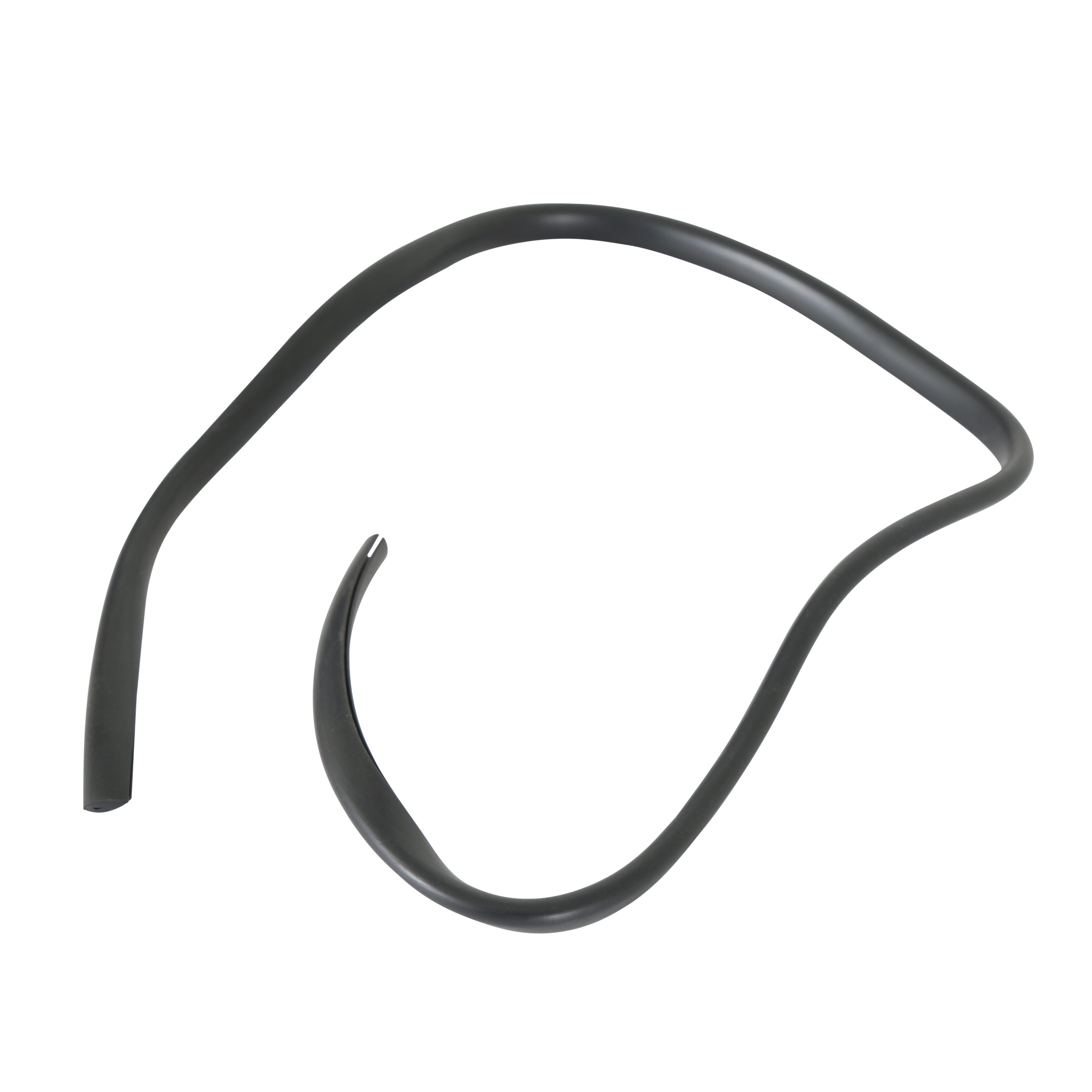 Representative Photo, actual item may vary


 Representative Photo, actual item may vary


What Is a Helmet Seal Kit?
A helmet seal kit is a critical — and often overlooked — component of a racer's safety system. These kits consist of foam, rubber, or Nomex-lined gaskets and seals that attach around the helmet's visor opening, chin bar, or air intake ports, creating a tight barrier between the driver and the outside environment. In motorsports, that barrier can mean the difference between a clean air supply and an intake of smoke, fumes, dust, or debris.
While the helmet shell handles impact protection, the seal kit handles environmental protection. On dirt tracks, rally stages, off-road courses, and road courses alike, debris and fine particulates can find their way into even the best-constructed helmets if the gaps around the visor or vents are left unaddressed. A properly fitted seal kit eliminates those gaps, ensuring that the only air reaching the driver comes from a controlled, filtered source.
Why Helmet Seals Matter for Safety
Modern racing helmet design has evolved significantly, with manufacturers adding forced-air induction systems, anti-fog visor inserts, and venturi-style venting to improve comfort and visibility. However, these features only perform at their best when the helmet is properly sealed. A poor or deteriorated seal can allow dust to infiltrate even when forced air is being pumped in, reducing the effectiveness of the entire system.
Seal kits also play a role in fire protection. Some kits, like those featuring a Nomex outer layer, offer added heat and flame resistance — important in applications where fire risk is a real consideration. As one product description notes, Nomex fibers thicken and carbonize when exposed to intense heat, helping to absorb thermal energy and protect the driver's face and airways.
Racers running fresh-air blower systems especially benefit from a sealed helmet environment, since the forced-air system can only pressurize the interior — and keep contaminants out — when the seal between the helmet and the driver's face or the helmet's visor frame is complete and intact.
What to Look for in a Helmet Seal Kit
- Material: Look for kits with Nomex or other fire-rated materials if you're racing in a class with fire exposure risk. Foam and rubber seals are common for general sealing and anti-dust applications.
- Compatibility: Seal kits are often helmet-specific. Always verify that the kit is designed for your exact helmet model and year.
- Adhesive Backing: Quality seal kits feature adhesive backing for straightforward installation without tools, keeping the seal flush and consistent around the entire perimeter.
- Replacement Schedule: Like any foam or rubber component, helmet seals can compress and degrade over time. Inspect your seals regularly and replace them as part of routine helmet maintenance.
Top Brands in Helmet Seal Kits
Simpson Racing Equipment is one of the most recognized names in motorsport safety, with a heritage dating back to 1959. Known for producing helmets that meet both Snell and FIA certification standards, Simpson also offers a comprehensive lineup of helmet accessories — including seal kits engineered to work seamlessly with their own helmet models. Whether you're running a Bandit, Viper, Devil Ray, or another Simpson platform, their seal kit offerings are designed to maintain the integrity of the helmet's protective environment race after race.