


Engine Intake Manifold Flange
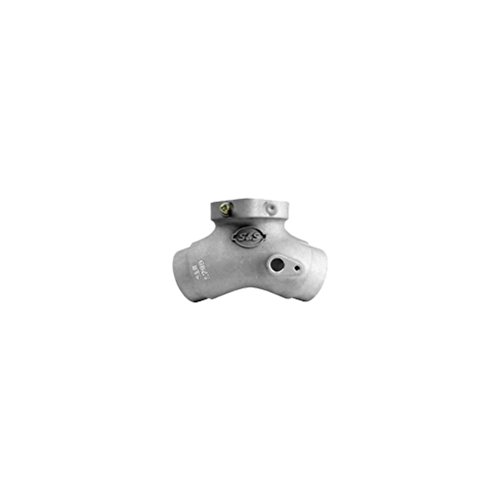 Representative Photo, actual item may vary

 Representative Photo, actual item may vary



 Representative Photo, actual item may vary
 Representative Photo, actual item may vary

The engine intake manifold flange is a small but critical connection point in an engine's air delivery system. Depending on the engine design, it is the mounting surface, adapter, or connecting piece that joins the intake manifold to the cylinder head or to related plumbing such as a coolant passage, throttle body, or intake tube. Its job is simple to describe and demanding to execute: hold the manifold securely in place and keep the joint sealed against vacuum leaks, coolant seepage, and heat-driven movement.
Why the Intake Manifold Flange Matters
Modern engines rely on precise control of the air entering each cylinder. The engine computer measures airflow and calculates fuel delivery based on the assumption that all incoming air passes through the intake tract. A flange that is cracked, warped, corroded, or poorly sealed lets unmetered air into the system, which can upset that balance.
Common symptoms of a failing flange or its sealing surface include:
- Rough or unstable idle
- Hissing or whistling noises from the engine bay
- Check engine lights tied to lean fuel mixture codes
- Hesitation or reduced power under acceleration
- Coolant loss or visible residue around the manifold joint, on engines with coolant passages in the intake
Because the intake manifold area sees repeated heat cycles, materials expand and contract over thousands of starts. Over time, this can fatigue castings, distort mating surfaces, and harden gaskets and seals.
What to Consider When Shopping
Fitment is the most important factor in this category. Flanges are usually specific to an engine family, and sometimes to a particular model year or intake configuration. Before ordering, confirm the part against your vehicle's year, make, model, and engine size, and compare the old part to the replacement if possible. Check port shape, bolt hole locations, and sealing surface design.
Material and finish also matter. Depending on the application, flanges may be cast aluminum, steel, or a composite material, and each reacts differently to heat and torque. When replacing one, it is good practice to:
- Clean the mating surfaces thoroughly and check them for flatness
- Replace the associated gaskets or O-rings rather than reusing old ones
- Inspect the mounting bolts or studs for stretched or damaged threads
- Tighten fasteners in the sequence and to the torque specification given in the factory service manual
Genuine Parts in This Category
For a component where exact dimensions and sealing geometry are essential, many owners choose original-equipment parts. Genuine engine intake manifold flange parts are built to the same specifications as the components that came on the vehicle, which helps ensure correct bolt patterns, port alignment, and sealing surfaces. That kind of fit-first approach is particularly valuable for parts that are tedious to access, since a flange that matches the original design reduces the risk of repeat labor from leaks or misalignment.
Keeping the Intake Joint Healthy
Regular inspection can catch problems early. When performing other intake-area service, such as replacing a throttle body or spark plugs, take a moment to look for cracks, oil or coolant stains, and loose hardware around the manifold joints. Addressing a small leak promptly is almost always easier than dealing with the drivability and fuel economy problems that can follow a neglected one.