


Axle Nut Socket
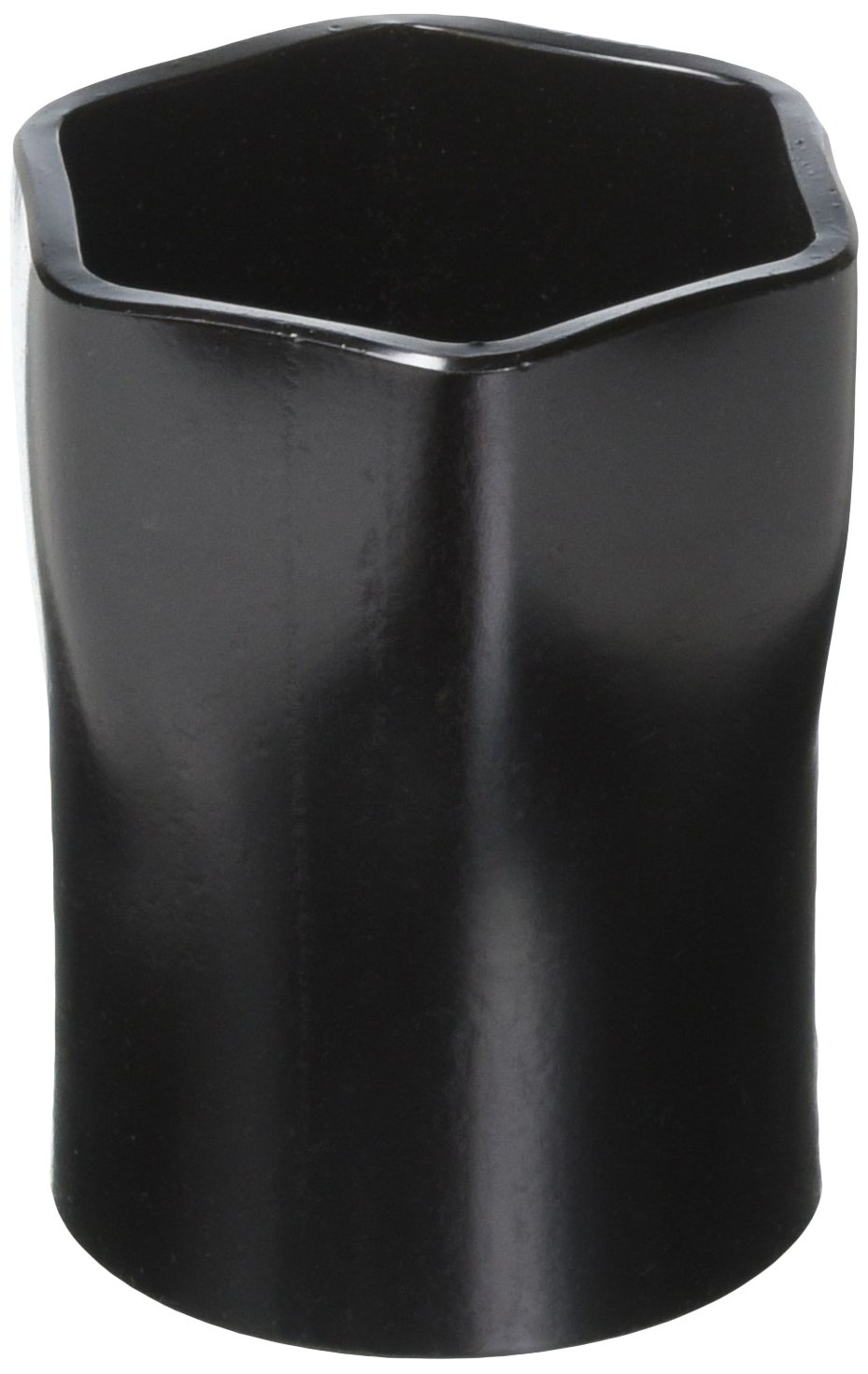 Representative Photo, actual item may vary




Diversified Machine SRC2607 Sprint Car Rear Axle Nut Wrench with Lightweight Adapter




 Representative Photo, actual item may vary


 Representative Photo, actual item may vary

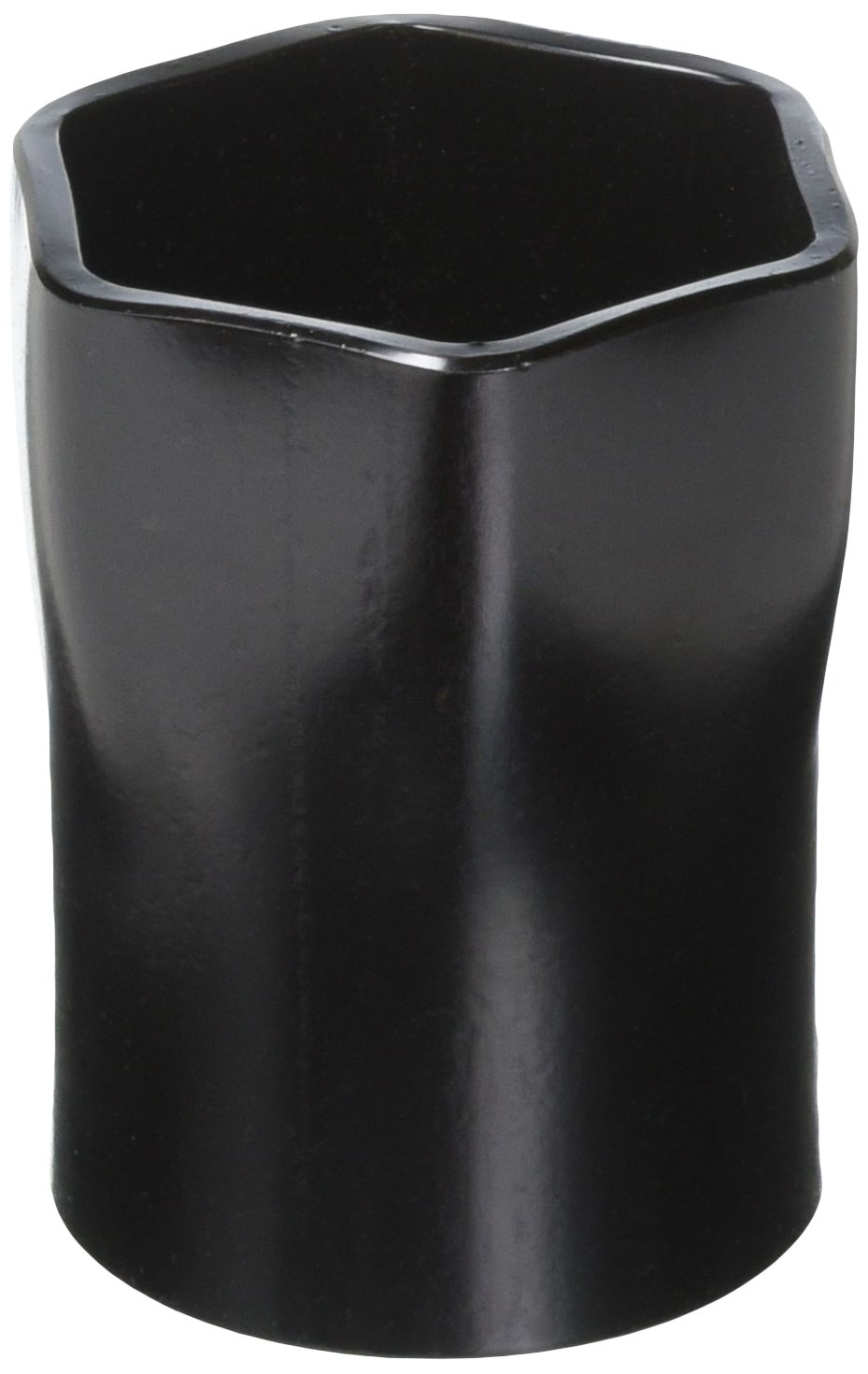 Representative Photo, actual item may vary


CTA Manufacturing 5900 GM Hub Nut Remover/Installer Socket for 2020+ Silverado Sierra HD


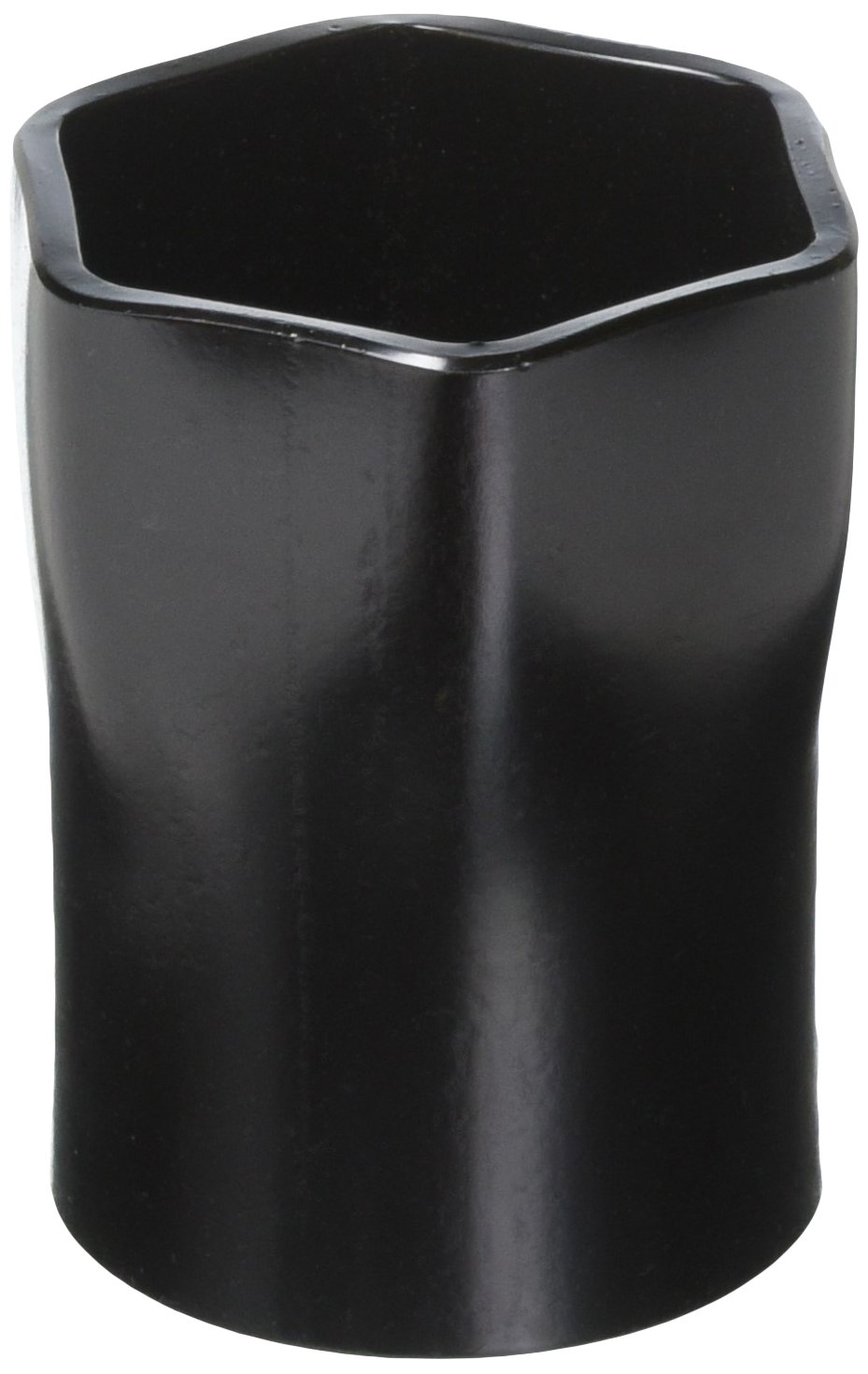 Representative Photo, actual item may vary


What Is an Axle Nut Socket?
An axle nut socket is a tool used to remove the axle nut on front-wheel drive as well as certain four-wheel drive vehicles. This enables the wheel hub to be separated from the axle — a necessary step any time you're servicing wheel bearings, CV axle shafts, or front-end components. While it may look like a standard socket at first glance, its design is purpose-built for the unique demands of axle work.
Why You Can't Use a Standard Socket
These types of vehicles commonly use a splined axle to be tightened into the wheel hub by the axle nut, requiring a specially-designed axle nut socket to remove the nut. Most axles have a slight depression machined into the center of the axle shaft where the shaft was positioned onto the lathe. By placing the axle nut socket locating point in this depression, the tool user is assured that the socket is placed squarely on the nut — preventing slippage that could result in stripped threads on the axle shaft or a stripped axle nut.
Many vehicles require manufacturer-specific socket sizes that aren't found in standard socket sets. Toyota and Lexus vehicles from the early 2000s onward, for example, often use 30mm 12-point axle nuts with locking detent features. These applications typically require a specialized kit that includes both the socket and a release tool to unlock the detent before removal. Using generic tools on these applications can result in damaged axles that require complete replacement.
What to Look for When Buying an Axle Nut Socket
High-strength steel construction with heat treatment is essential for axle nut sockets due to the high torque loads involved in wheel bearing work. Quality sockets resist rounding out, which is critical when dealing with locknuts that may be corroded or over-torqued from previous service. Impact-grade materials are designed to flex slightly under load rather than fracture, making them safer for use with impact wrenches.
- Drive size: Most axle nut sockets use a 1/2" or 3/4" square drive for compatibility with breaker bars and impact wrenches.
- Point configuration: 6-point, 8-point, and 12-point designs are available depending on the nut style on your specific vehicle.
- Material & coating: Look for corrosion-resistant finishes — chrome molybdenum steel with a black phosphate coating is a popular choice for long-lasting protection.
- Vehicle-specific fit: Before beginning any axle or wheel bearing service, always verify the exact size and configuration required for your specific vehicle year, make, and model. Manufacturer service manuals typically specify the required socket type, drive size, and torque specifications.
Safety and Proper Use
Always follow proper wheel bearing and axle service procedures. Incorrect torque specifications can lead to wheel bearing failure, while over-tightening can cause premature bearing wear or hub damage. Proper storage and maintenance also extends socket life. Keep sockets clean and lightly oiled to prevent rust, particularly important for specialty sizes that may see infrequent use. Inspect sockets regularly for cracks, worn points, or deformation that could compromise performance or safety.
Top Brands in Axle Nut Sockets
When it comes to dependable axle nut sockets, Kastar Hand Tools stands out as a trusted name among professional technicians and serious DIYers alike. Kastar Hand Tools was founded in 1929, and continues to produce quality tools including axle/spindle nut sockets and a wide variety of other specialty hand and automotive tools. They are known for quality automotive hand tools and specialty tools.