


Engine Installation Kit


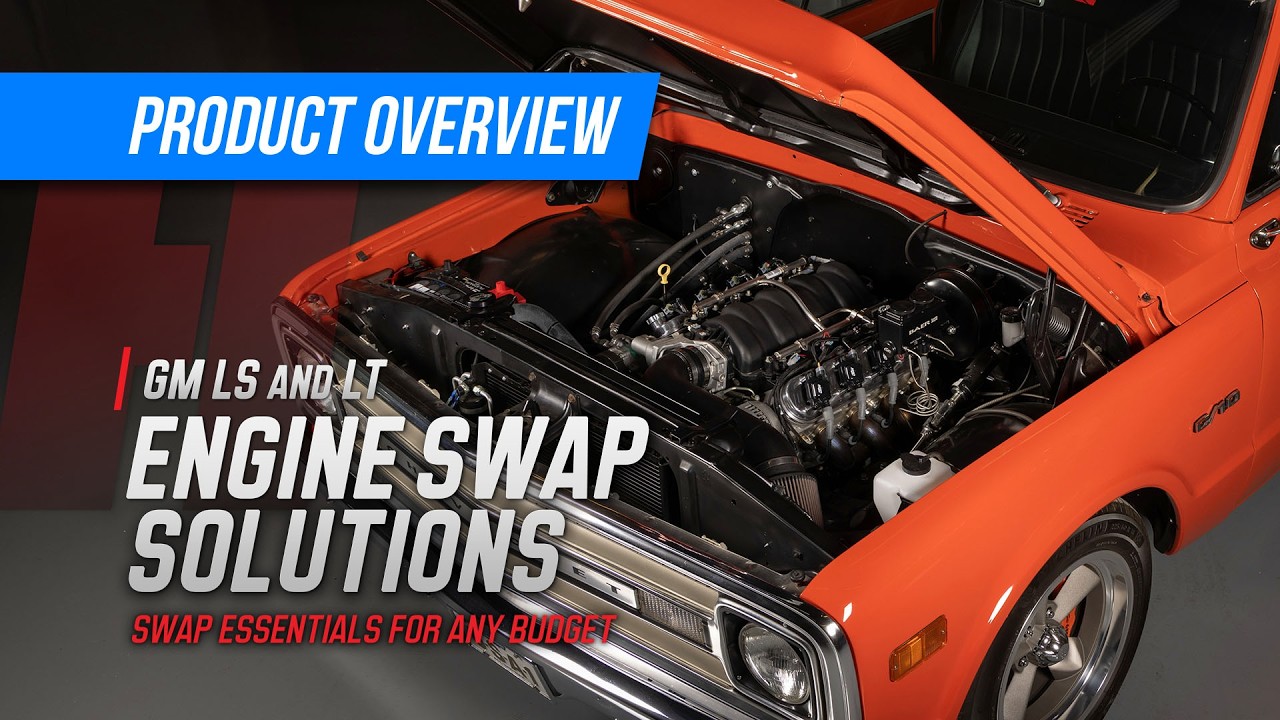 Representative Photo, actual item may vary

 Representative Photo, actual item may vary

 Representative Photo, actual item may vary
 Representative Photo, actual item may vary

 Representative Photo, actual item may vary
 Representative Photo, actual item may vary

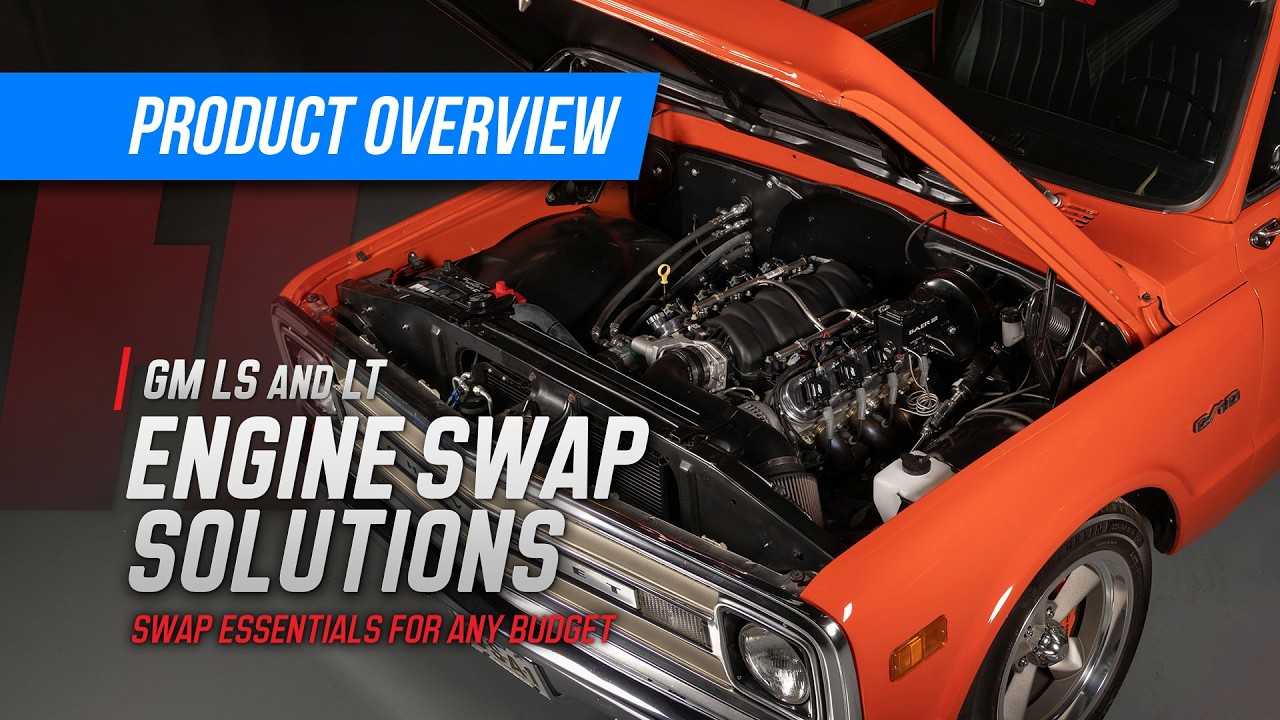 Representative Photo, actual item may vary
Holley SE1-GM1F-LTX-M Level 1 Gen V LT Swap Essentials Kit Manual Transmission
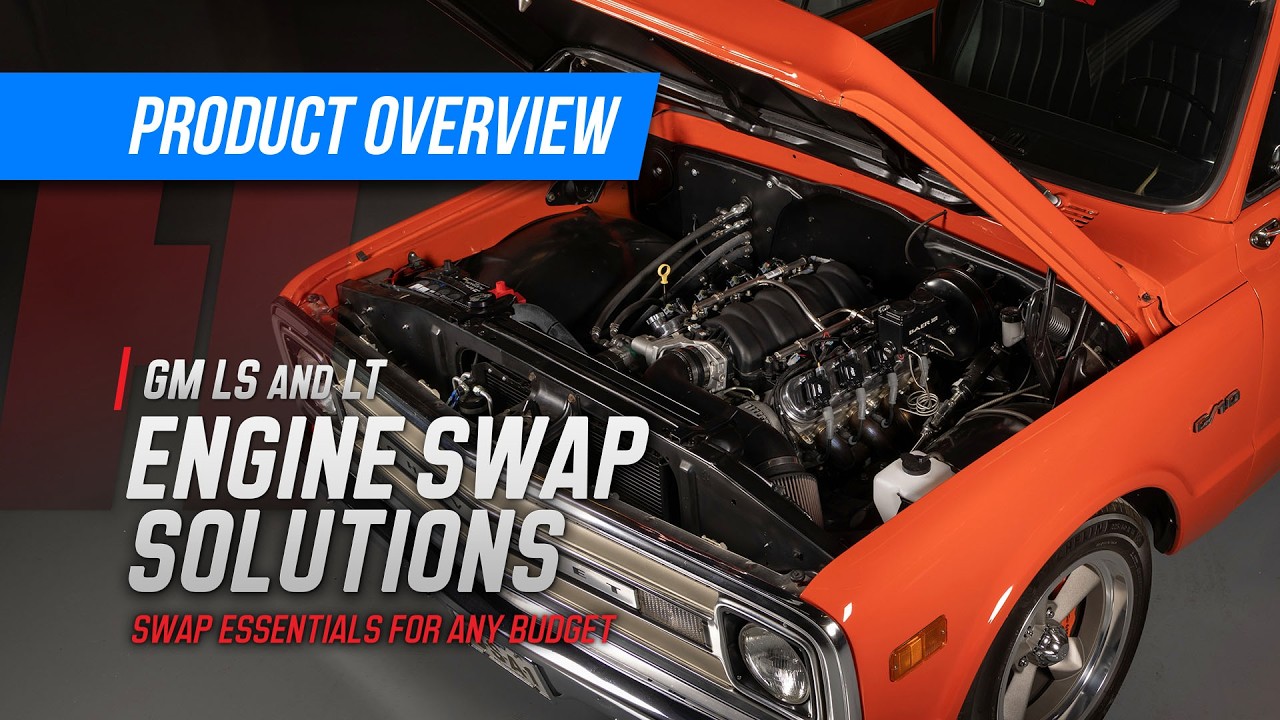 Representative Photo, actual item may vary
Holley SE1-C106367-LTX-A2 1963-1967 C10 Level 1 LT Engine Swap Kit - Automatic Transmission
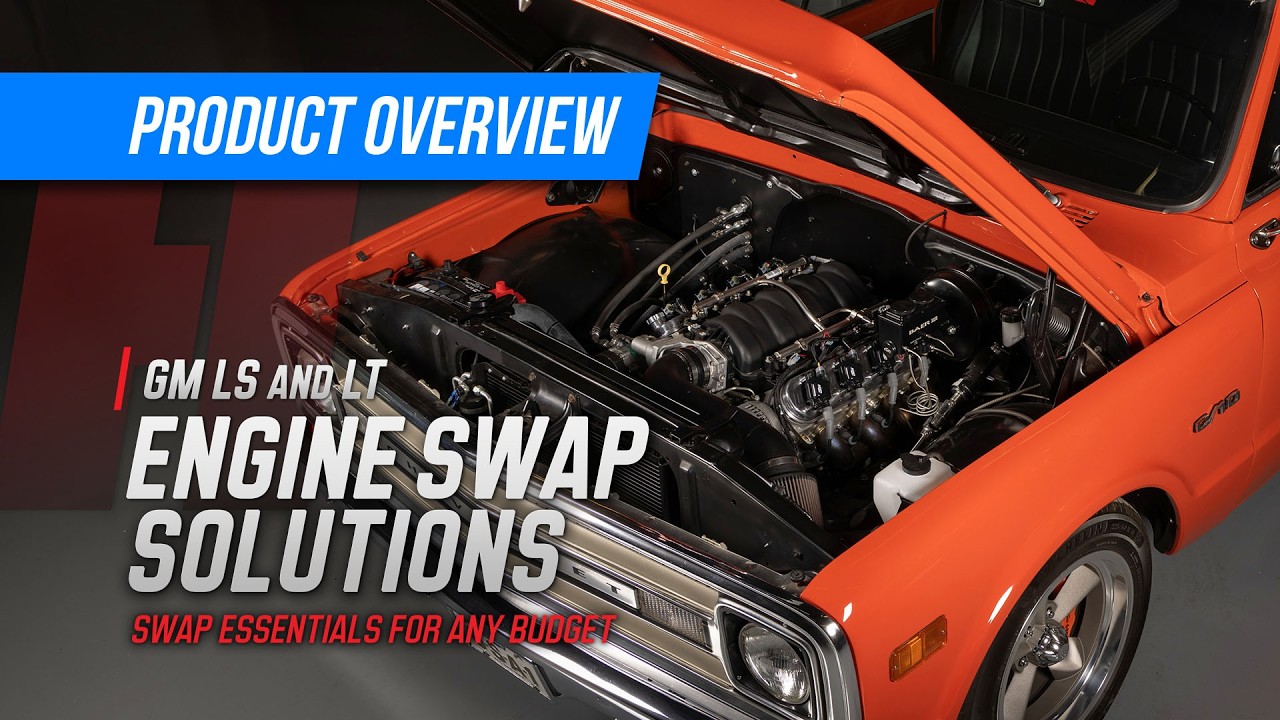 Representative Photo, actual item may vary
Holley SE1-C106367-LTX-A1 1963-1967 Chevy C10 LT Engine Swap Kit Level 1 Automatic
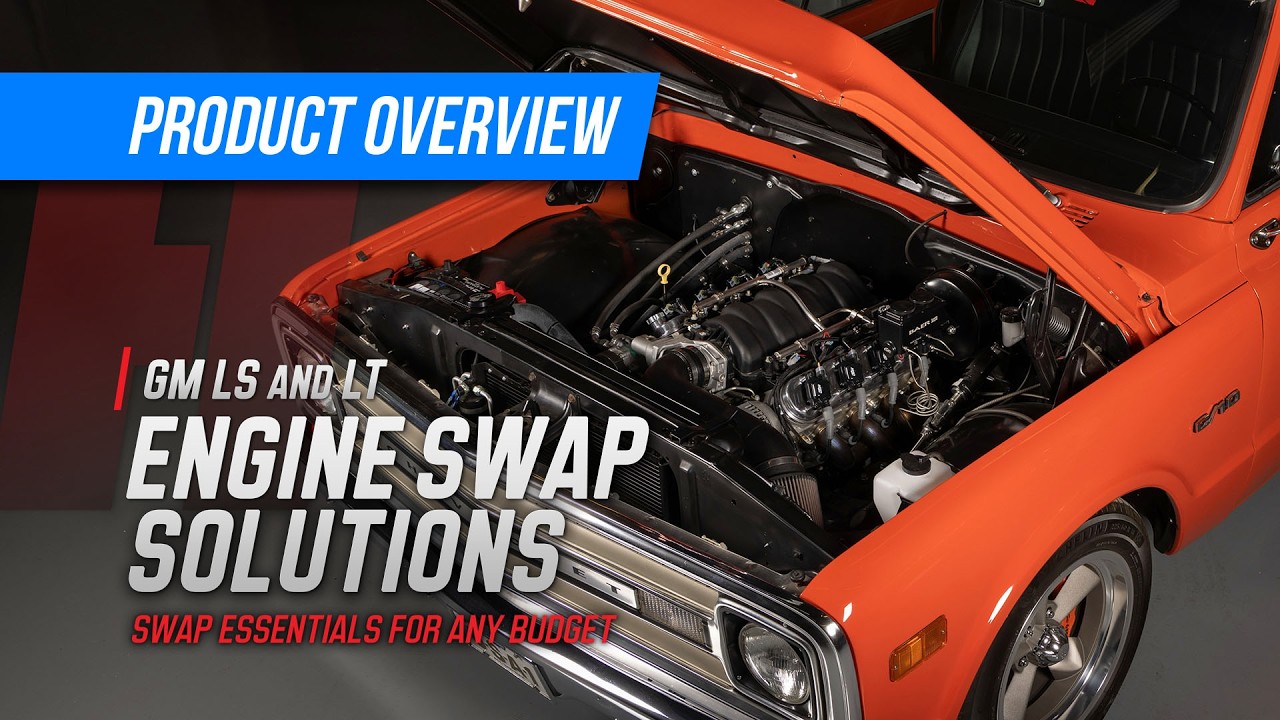 Representative Photo, actual item may vary
Holley SE2-C106367-LTX-A2 1963-1967 C10 Level 2 LT Engine Swap Kit Automatic

Holley SE2-C106367-LTX-A1 GM 63-67 C10 Level 2 LT Swap Essentials Kit - Automatic
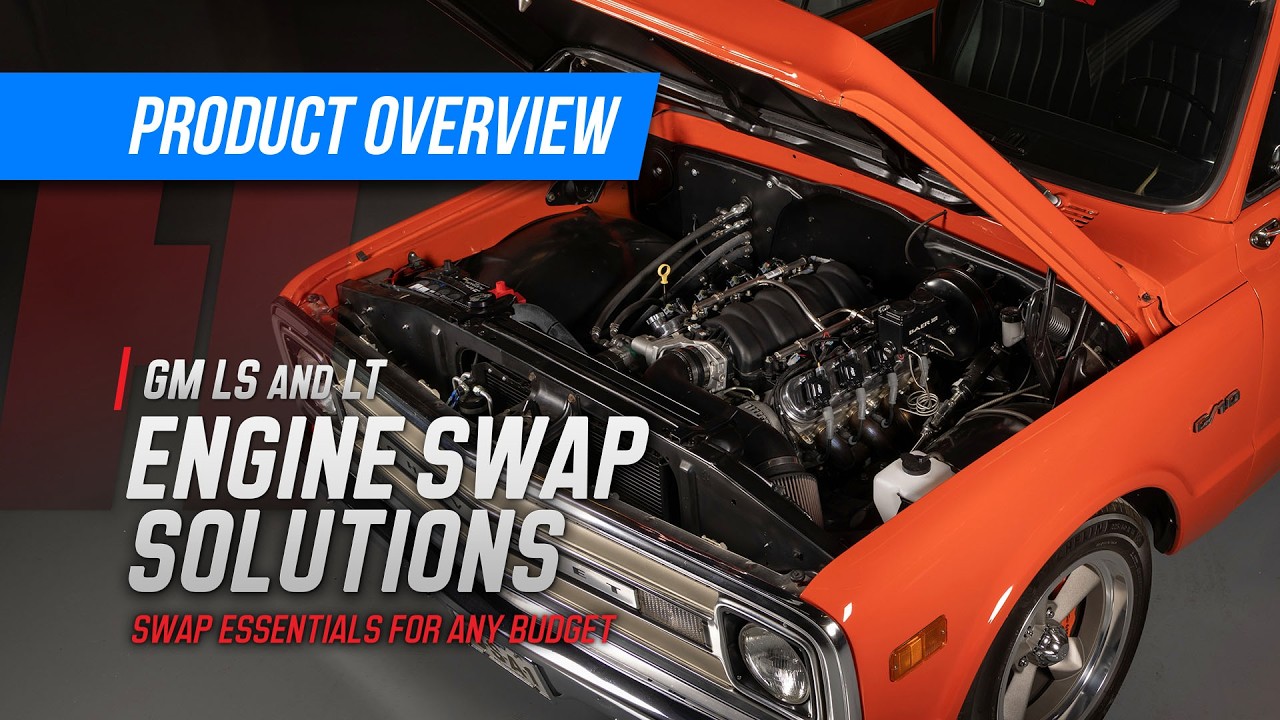 Representative Photo, actual item may vary
Holley SE1-GMT400-LTX-R Mid-Mount Engine Accessory Drive System 1988-1998 C1500 Level 1 LT Swap Kit

Holley SE1-GMT400-LTX-F Gen V LT Swap Essentials Level 1 Kit - Forward Bias
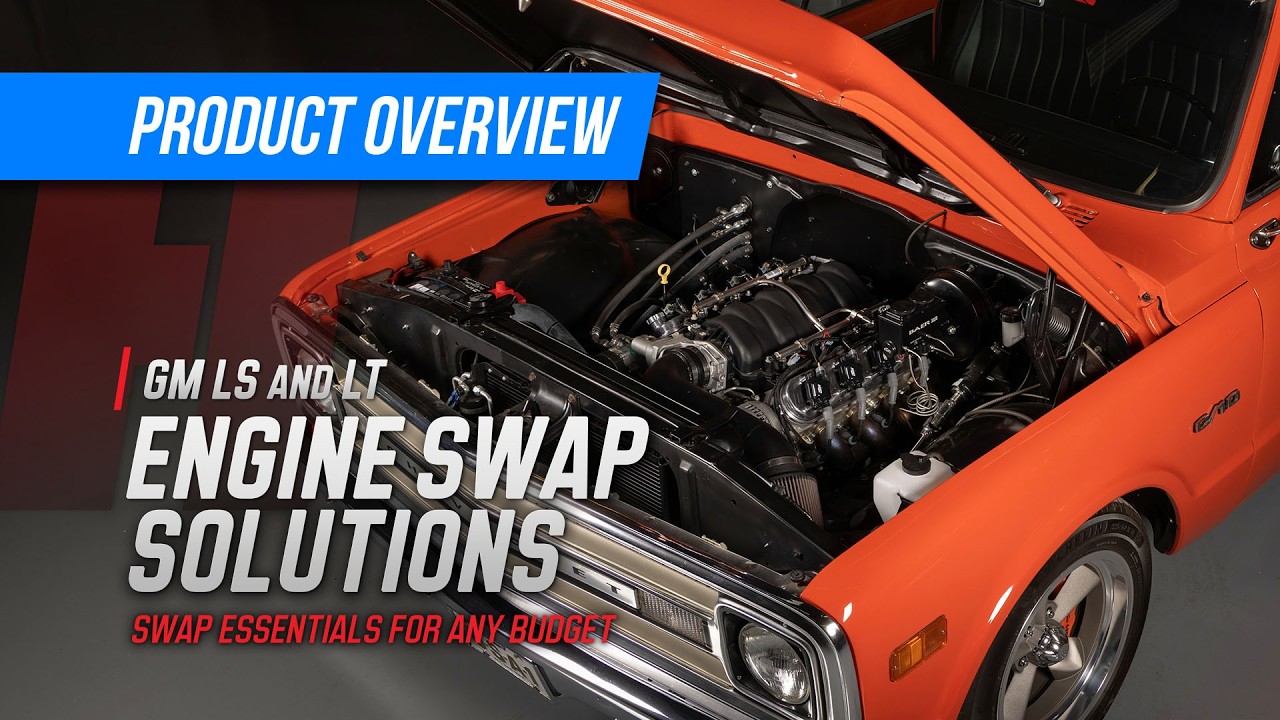 Representative Photo, actual item may vary
Holley SE2-C107387-LTX-A2 Level 2 Gen V LT Swap Essentials Kit for 1973-1987 C10/C20
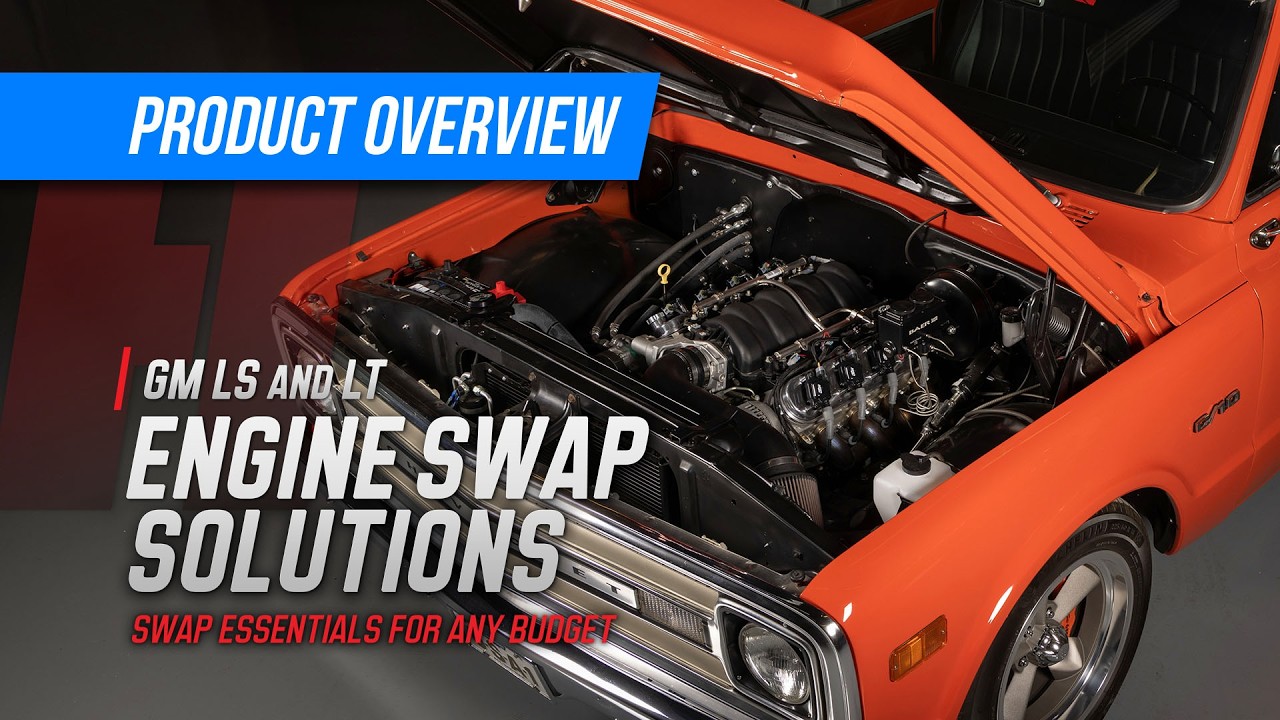 Representative Photo, actual item may vary
Holley SE2-GMT400-LTX-R LT Engine Swap Kit 1988-1998 Chevy C1500 Level 2

Holley SE2-GMT400-LTX-F 1988-1998 GM C1500 Level 2 LT Engine Swap Kit
What Is an Engine Installation Kit?
An engine installation kit is a comprehensive set of components designed to simplify and streamline the process of installing a new engine in your vehicle. Whether you're tackling a routine engine replacement after high mileage or an ambitious engine swap, these kits gather the critical supporting parts you need into one convenient package — saving you time hunting down individual components and reducing the risk of overlooking something during the job.
Why Engine Installation Kits Matter
Engine installation kits are tailored to specific engine types and vehicle models, making it easier to match the components to your project's requirements. A proper installation isn't just about dropping in a new engine — it's about ensuring every gasket, seal, hose, and fastener that interfaces with that engine is fresh and correctly spec'd. Reusing old or worn ancillary parts is one of the most common reasons a freshly installed engine develops leaks, overheating problems, or premature wear shortly after the job is done.
Engine kits are available in several configurations, including kits that include just the gaskets required for disassembly and reassembly, those that include timing components and other replacement parts, and major overhaul kits that include nearly everything needed for a full rebuild. For engine swaps and long-block replacements specifically, installation kits typically focus on the interface components — items like intake and exhaust manifold gaskets, coolant hoses, belts, seals, and essential hardware that must be replaced or re-torqued during the process.
What to Look for When Shopping Engine Installation Kits
- Vehicle and Engine Fitment: When choosing a kit, consider your vehicle's make, model, year, and the type of engine you plan to install.
- Kit Contents: Review exactly what is included. Some kits bundle gaskets, seals, and hardware; others may also include belts, coolant hoses, a thermostat, or spark plugs. Make sure the kit covers your specific installation needs.
- OEM vs. Aftermarket: Motorcraft parts are the only parts designed and built to the specific standards of Ford Motor Company and are the only parts recommended for use in your Ford or Lincoln vehicle. For Ford owners, choosing an OEM-sourced kit ensures factory-correct tolerances and materials.
- Application Compatibility: Different engines may require specific components, such as motor mounts, transmission adapters, or exhaust parts, so always cross-reference the kit with your exact engine code and vehicle configuration before purchasing.
Top Brands in Engine Installation Kits
When it comes to engine installation kits for Ford and Lincoln vehicles, Motorcraft stands above the rest as the factory-recommended source. Ford launched the Motorcraft auto parts division in 1972 to provide replacement parts and original equipment parts. Motorcraft's engine installation kits — such as the well-known EHK-1 — fit applications including Ford F-250 Super Duty, E-350 Super Duty, and related platforms, delivering the exact-fit confidence that professional technicians and serious DIYers rely on.
Pro Tips for a Successful Engine Installation
It's essential to consult your vehicle's manual and, if needed, seek advice from a knowledgeable mechanic or engine specialist to ensure you get the right kit for your project. Even with the best kit in hand, following the manufacturer's torque specifications and installation sequences is critical. Always replace all included components — skipping a gasket or seal to save time is rarely worth the risk of a repeat teardown.