


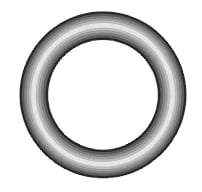
A/C O-Ring
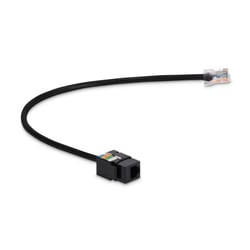
Dometic 9610008210 RJ11 to RJ45 A/C Adapter Harness Kit for FreshJet 5 Heat Pump



 Representative Photo, actual item may vary


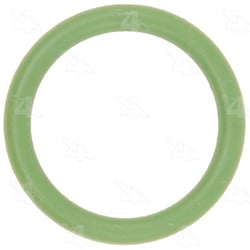

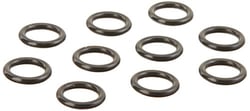
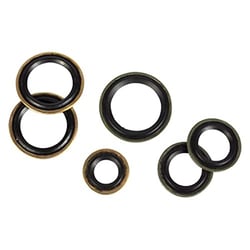

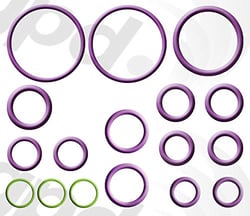
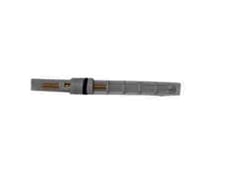


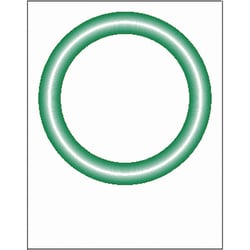
ACDelco 15-30570 GM Original Equipment Multi-Purpose A/C O-Ring Seal
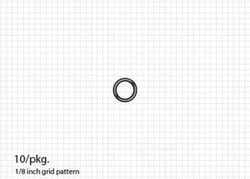
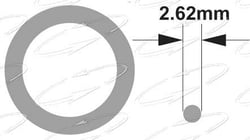
 Representative Photo, actual item may vary
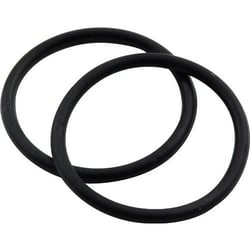

 Representative Photo, actual item may vary

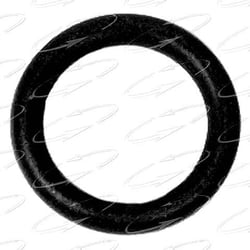
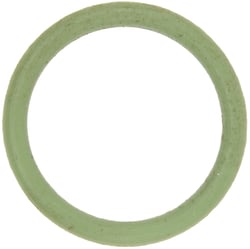
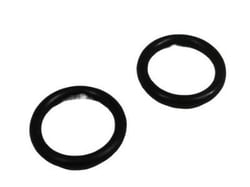
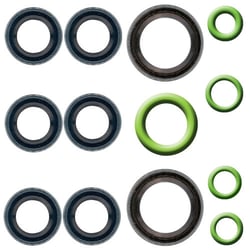
Mopar Performance 5183721AA Air Conditioning Line O-Ring Seal

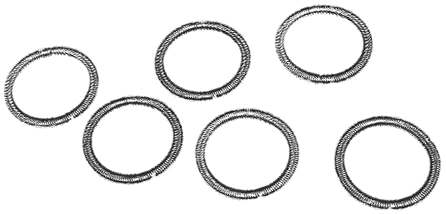 Representative Photo, actual item may vary

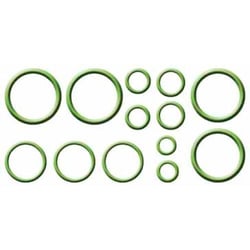
Mopar Performance 68086127AA A/C Line Seal 5/8 Inch Slim Line
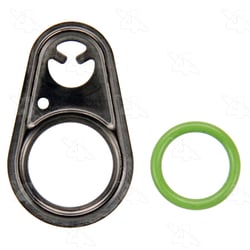

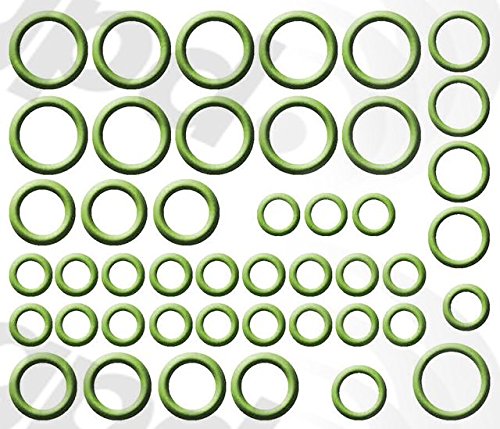 Representative Photo, actual item may vary

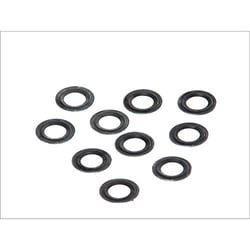


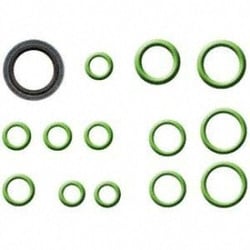
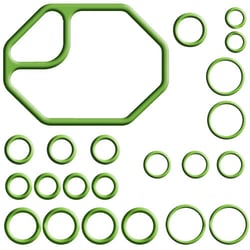
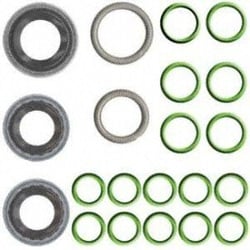
 Representative Photo, actual item may vary
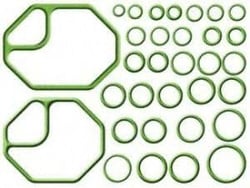
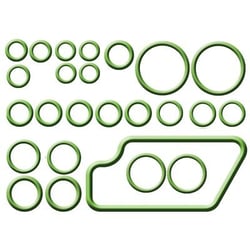
 Representative Photo, actual item may vary

 Representative Photo, actual item may vary
Keystone AC1241125C OEM-Style Automotive A/C Air Conditioning Component

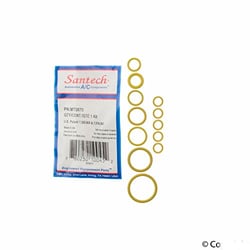
 Representative Photo, actual item may vary
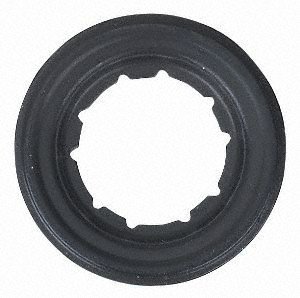 Representative Photo, actual item may vary

 Representative Photo, actual item may vary
 Representative Photo, actual item may vary

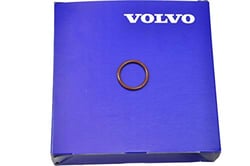

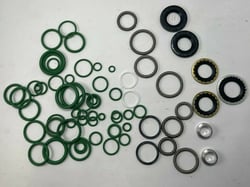
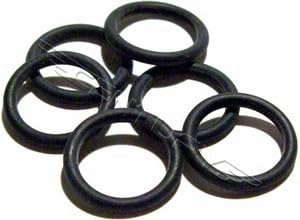 Representative Photo, actual item may vary

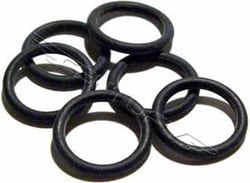
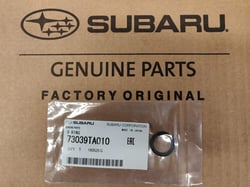
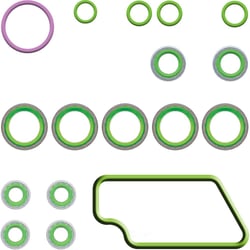
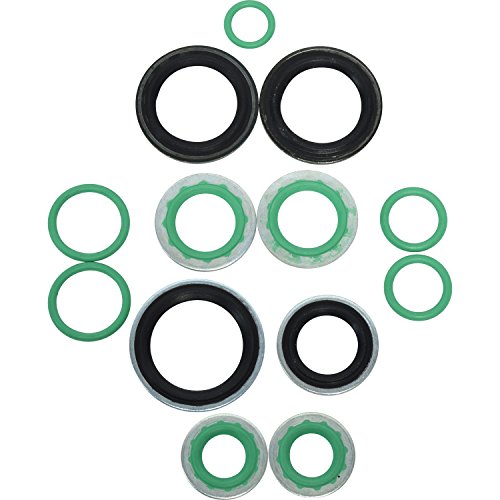 Representative Photo, actual item may vary

 Representative Photo, actual item may vary
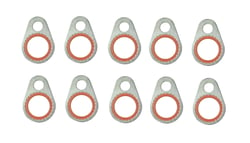
What Are A/C O-Rings and Why Do They Matter?
An air conditioning O-ring is a small but critical component in any HVAC system. These circular elastomeric seals sit at the connection points between A/C lines, fittings, compressors, condensers, and evaporators, forming a pressure-tight barrier that keeps refrigerant from escaping the closed loop. Without properly functioning O-rings, refrigerant leaks slowly — or rapidly — out of the system, causing loss of cooling performance, potential compressor damage, and unwanted refrigerant emissions.
Whether you're servicing a passenger car, a heavy-duty truck, an RV, or a marine vessel, a failed or deteriorated O-ring is one of the most common causes of A/C system underperformance. The good news: replacing them is one of the most cost-effective repairs in the HVAC category. The challenge is finding the right O-ring — the correct diameter, cross-section thickness, and material for your specific application and refrigerant type (R-134a, R-1234yf, or older R-12 systems).
Key Factors When Choosing A/C O-Rings
- Material compatibility: Nitrile (NBR) O-rings are common for older R-12 systems, while HNBR (hydrogenated nitrile) and EPDM compounds are preferred for R-134a and R-1234yf refrigerants due to their superior chemical resistance.
- Size precision: O-rings are sized by inner diameter and cross-section (width). Even a fraction of a millimeter off can result in a poor seal or premature failure.
- System pressure ratings: Automotive A/C systems operate under significant pressure — O-rings must be rated to handle both high-side and low-side pressures without extruding or cracking.
- Application type: Automotive, RV, and marine A/C systems each have unique fittings and environmental demands. Always verify fitment against your vehicle or unit's service manual.
Top Brands in A/C O-Rings
Four Seasons is one of the most comprehensive suppliers of automotive climate control components in North America, offering an extensive catalog of A/C O-rings and seal kits designed to match OE specifications across a vast range of domestic and import vehicles. Their broad fitment coverage makes them a go-to source for professional shops and DIY mechanics alike.
Dometic is a globally recognized leader in climate solutions for RVs and marine applications. Their A/C O-rings are engineered specifically for the unique demands of mobile and marine environments, where temperature swings, vibration, and moisture exposure place extra stress on sealing components.
Santech specializes in automotive A/C parts and is well regarded for its refrigerant-compatible O-ring assortments and seal kits, making it a trusted choice for technicians who need reliable, properly rated seals for modern refrigerant systems.
Universal Air Conditioner (UAC) brings a wide-ranging product line of A/C components to the aftermarket, including O-rings sized and compounded for compatibility with today's most common vehicle platforms. UAC products are a popular choice for both wholesale distributors and independent repair shops.
Robinair, long respected as a leader in HVAC service equipment and refrigerant handling tools, also supplies O-rings and sealing components trusted by professional technicians who demand precision parts to complement their professional-grade service workflows.
When Should You Replace A/C O-Rings?
A/C O-rings should be inspected — and typically replaced — any time an A/C line, fitting, or component is disconnected during service. Reusing old O-rings after a system has been opened is a common cause of post-repair leaks. Signs of O-ring failure include oily residue or dye staining around fittings, diminished cooling, and refrigerant loss detected during a system pressure test. Proactive replacement during compressor swaps, condenser replacements, or evaporator service is always a best practice.