


Brake Hydraulic Hose and Line Assembly




 Representative Photo, actual item may vary
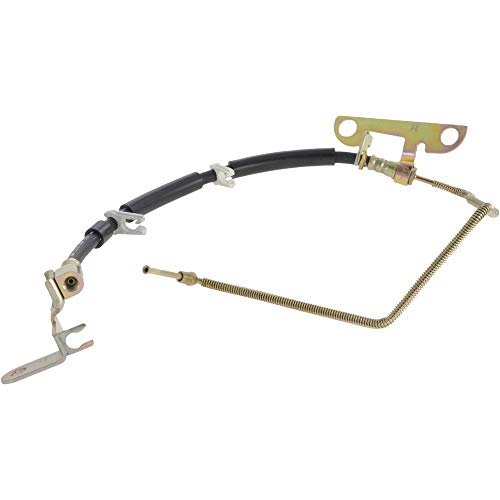 Representative Photo, actual item may vary
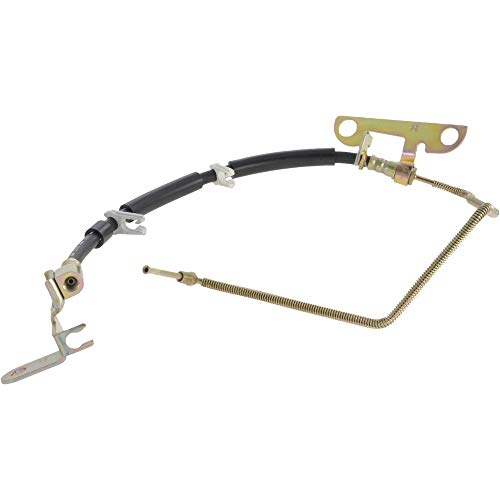 Representative Photo, actual item may vary
 Representative Photo, actual item may vary


 Representative Photo, actual item may vary

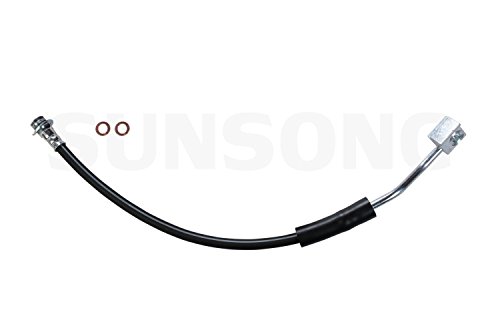 Representative Photo, actual item may vary

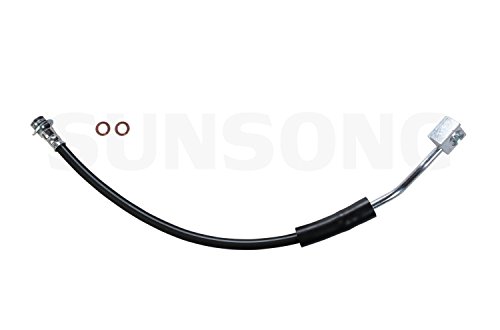 Representative Photo, actual item may vary

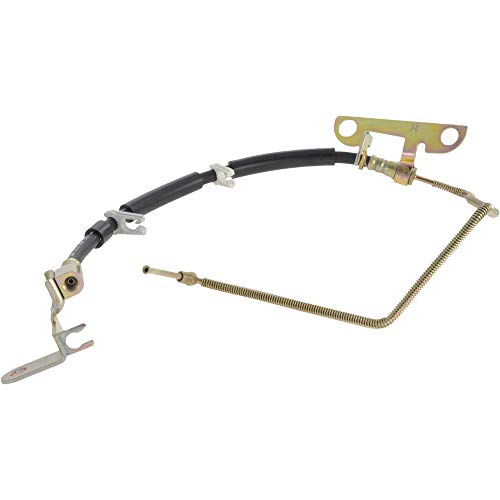 Representative Photo, actual item may vary

Magnum Shielding AS370164 Designer Series ABS Front Lower Brake Line Kit Sterling Chromite +4"

Magnum Shielding AS470182 Black Pearl ABS DOT Brake Line Dual-to-Single Disc Conversion +2"
 Representative Photo, actual item may vary


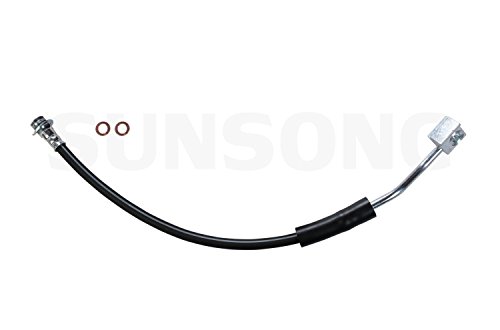 Representative Photo, actual item may vary
 Representative Photo, actual item may vary

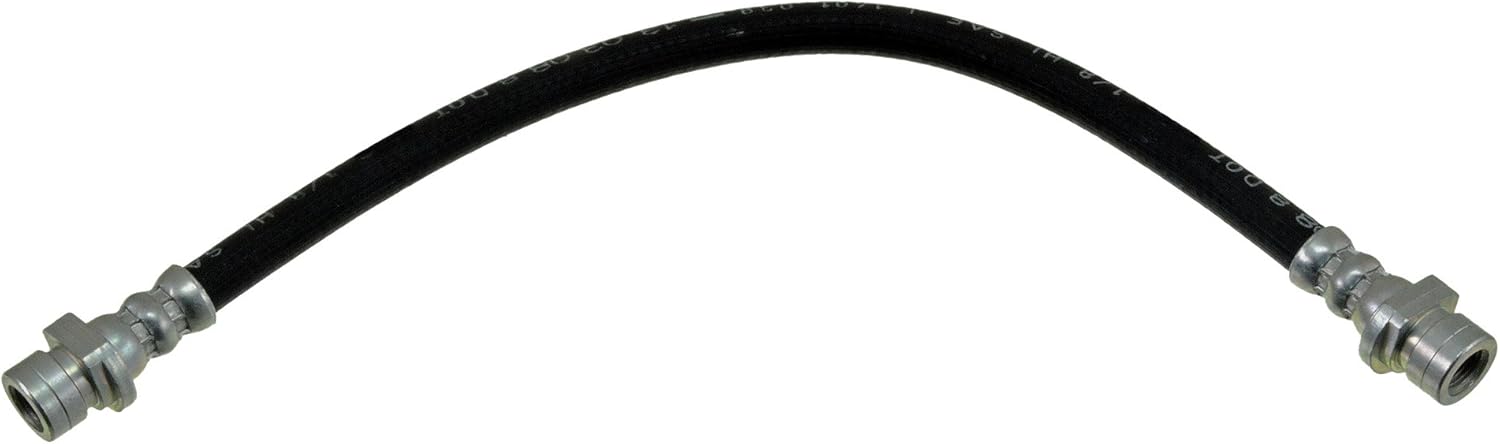 Representative Photo, actual item may vary


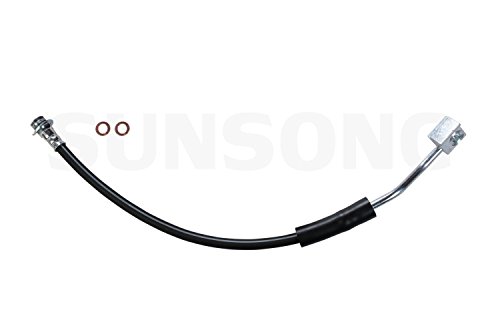 Representative Photo, actual item may vary



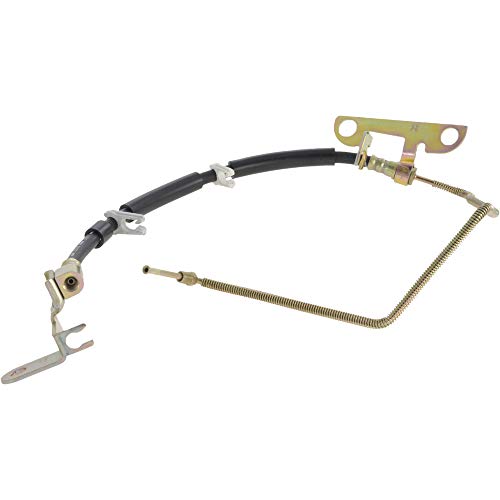 Representative Photo, actual item may vary
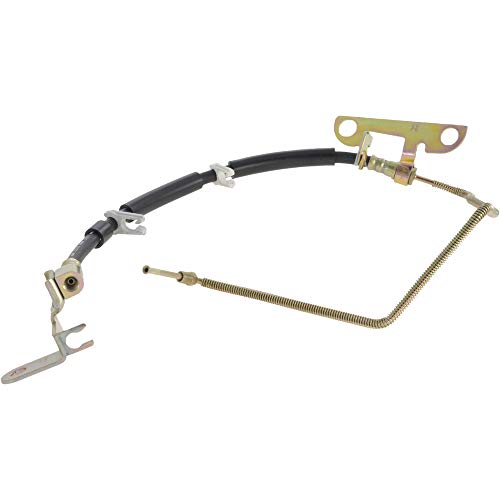 Representative Photo, actual item may vary
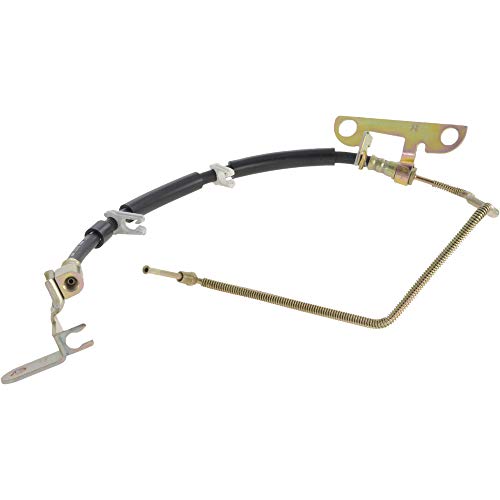 Representative Photo, actual item may vary


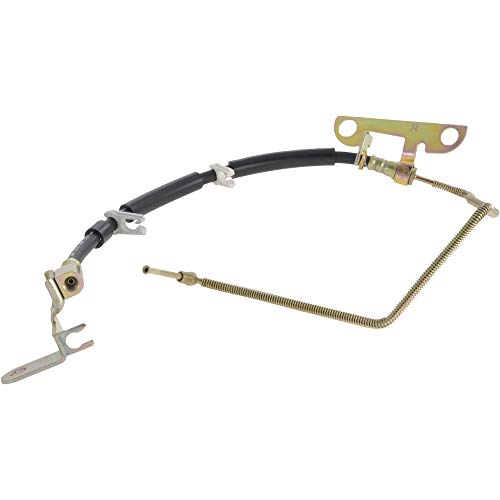 Representative Photo, actual item may vary
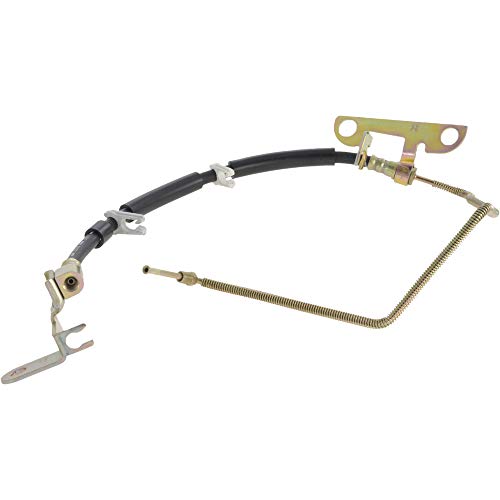 Representative Photo, actual item may vary
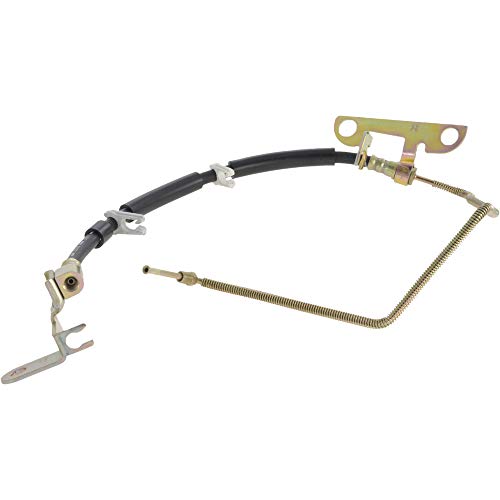 Representative Photo, actual item may vary
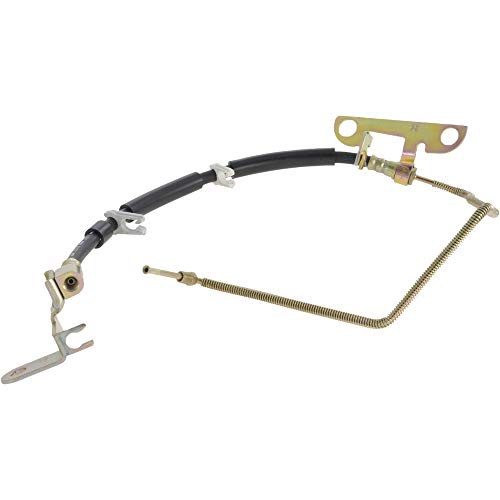 Representative Photo, actual item may vary


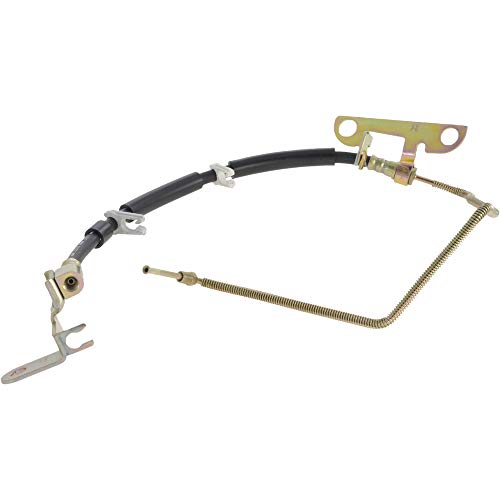 Representative Photo, actual item may vary


Dynamic Friction 350-74016 Front Brake Line Hose for Volkswagen Golf and Jetta


Fragola Performance Systems 332012 PTFE Brake Hose -3 AN x 3/8 Banjo 12" Black Covered


What Is a Brake Hydraulic Hose and Line Assembly?
A brake hydraulic hose and line assembly is one of the most critical — yet often overlooked — components in your vehicle's braking system. Brake lines and hoses carry brake fluid from the master cylinder to the wheel brake units, providing the hydraulic force your vehicle needs to slow down and stop safely. When you press the brake pedal, pressurized fluid travels through this network of hard lines and flexible hoses, ultimately engaging the calipers or wheel cylinders at each corner of the vehicle.
A typical hydraulic braking circuit combines two types of components working together. Brake lines are the rigid, metal tubes — typically steel — that run along the vehicle's frame and undercarriage. Brake hoses serve as the flexible bridge between those hard lines and the moving brake components at the wheels, allowing the suspension and steering to articulate without stressing the hydraulic connection. Because the wheels move up, down, and side to side, a rigid connection to the caliper simply isn't possible — the flexible hose accommodates that motion without compromising hydraulic integrity.
Why Brake Hydraulic Hoses and Lines Matter
The condition of your brake lines and hoses has a direct impact on braking safety and performance. Brake lines and hoses are safety-relevant components that should be inspected every time your vehicle is maintained. Metal brake lines are subject to corrosion — especially in regions where roads are treated with salt in winter — and extreme corrosion can perforate the line, causing a fluid leak and loss of hydraulic pressure. Rubber hoses degrade over time as well; they can crack, blister, or suffer internal deterioration that isn't always visible from the outside.
Flexible brake hoses must balance two competing demands: durability and flexibility. The hose must be strong enough to contain hydraulic pressures without expanding or ballooning under load, yet supple enough to flex as the wheels move through their suspension travel. A kinked or internally collapsed hose can restrict the flow of hydraulic fluid, reducing braking force and causing uneven, unpredictable braking performance. Modern vehicles with ABS, stability control, and traction control systems place even greater demands on brake hoses, requiring higher pulse strength and chemical resistance than ever before.
What to Look for When Replacing Brake Lines and Hoses
When it comes time to replace a brake hydraulic hose or line assembly, fit and quality are everything. A brake hydraulic hose and line assembly is a vehicle-specific part — dimensions, routing, and end-fitting configurations differ significantly from one make and model to the next. Always verify compatibility with your year, make, and model before purchasing. For the best results on Ford and Lincoln vehicles, look for assemblies manufactured to OE specifications, ensuring the correct dimensions, fittings, and material standards right out of the box.
Top Brands in Brake Hydraulic Hose and Line Assemblies
Motorcraft is the factory-recommended parts brand for Ford and Lincoln vehicles, and their brake hydraulic hose and line assemblies are manufactured to strict Ford OE specifications for fit, form, and function. Whether you drive a Ford Expedition, Lincoln Navigator, or another Ford platform, Motorcraft brake hydraulic assemblies are engineered to match the original routing, fittings, and pressure ratings — making them a trusted choice for restoring your brake system to factory condition.