


Anti-Theft System Diode
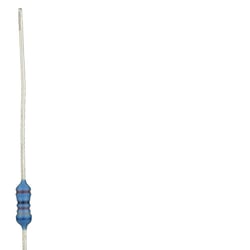

Modern vehicle security systems depend on clean, predictable electrical signals. Factory alarms, aftermarket security modules, door lock circuits, and immobilizer wiring all share a vehicle's 12-volt network. A small component called a diode is often what keeps those circuits from interfering with one another. This category covers anti-theft system diodes: compact semiconductor parts used to control the direction of current flow in security and convenience wiring.
What an Anti-Theft System Diode Does
A diode works like a one-way valve for electricity, allowing current to pass in one direction while blocking it in the other. In anti-theft applications, that simple behavior solves several common wiring problems:
- Circuit isolation: keeps a signal from a factory alarm from feeding back into door lock or trigger wires when a new security system is added.
- Current restriction: limits flow so that a wire carries a signal only where it is intended.
- Clamping: helps suppress voltage spikes generated when relays and solenoids switch off, protecting sensitive security electronics.
Installers often add an in-line diode when tying an aftermarket alarm's unlock output into an existing factory disarm wire, a common step on older vehicles with built-in security modules. Without it, signals can travel backward through the harness and cause door locks, dome lights, or the alarm itself to behave erratically.
Why These Parts Matter
Security wiring problems can be frustrating to diagnose. A missing or incorrectly rated diode may show up as random alarm triggering, door locks that cycle on their own, a parasitic battery drain, or a no-start condition. Because diodes are inexpensive relative to the modules they protect, they are a smart bit of insurance for any alarm, remote start, or keyless entry installation.
What to Consider When Shopping
- Amp rating: match the diode to the load on the circuit. Lower-amp diodes suit light signal-level wiring, while higher ratings are better for circuits that switch relays or other heavier loads.
- Voltage rating: automotive systems see transient spikes well above 12 volts, so choose a part with generous headroom.
- Polarity: diodes are directional. Confirm which end is the anode and which is the cathode (typically marked with a band) before soldering or crimping.
- Connection quality: solder and heat-shrink or quality crimp connectors help the diode survive vibration and temperature swings under the dash.
Featured Brand
Install Bay is a familiar name among mobile electronics and security installers, and its diode line is built around the needs of technically demanding installations. The brand offers diodes in several amp ratings, including 1 amp, 3 amp, and 6 amp versions, intended for restricting current flow, isolation, and clamping in automotive wiring. That range lets installers pick a rating suited to the circuit rather than relying on a one-size-fits-all part.
Installation Tips
Always disconnect the battery or follow the manufacturer's wiring guidance before working on security circuits, and use a multimeter to confirm wire function before adding a diode. Test the system after installation by locking, unlocking, arming, and disarming to verify that signals travel only where intended. When in doubt, consult the wiring diagram for your specific vehicle and alarm module.