


Chain Hoist


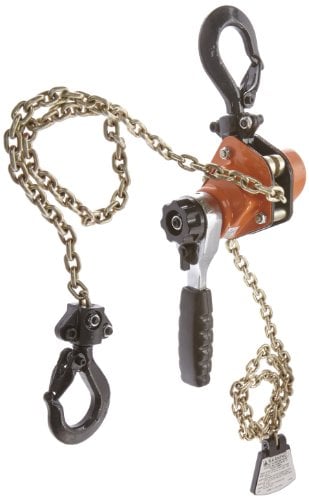 Representative Photo, actual item may vary

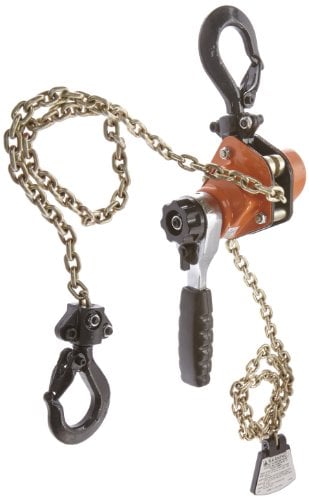 Representative Photo, actual item may vary
Columbus McKinnon BAN15005LL Bandit Lever Hoist 1.5 Ton 5ft with Load Limiter


 Representative Photo, actual item may vary




 Representative Photo, actual item may vary


Jet 376301 JLH Series 1.5 Ton Lever Hoist with 10 ft Lift and Overload Protection


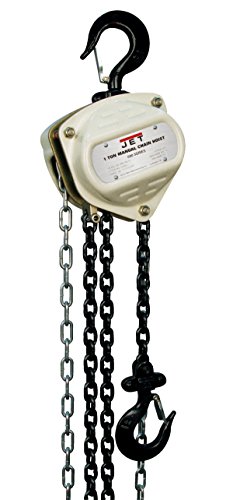 Representative Photo, actual item may vary


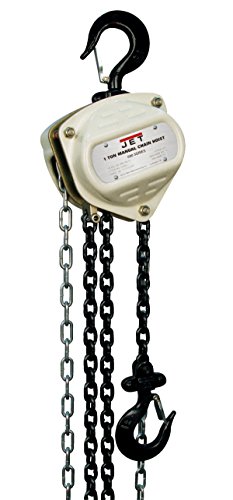 Representative Photo, actual item may vary
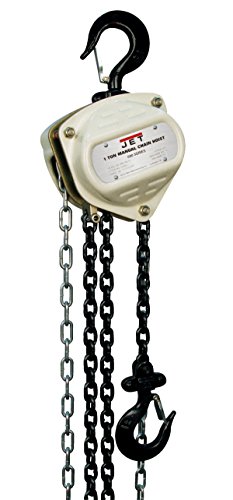 Representative Photo, actual item may vary
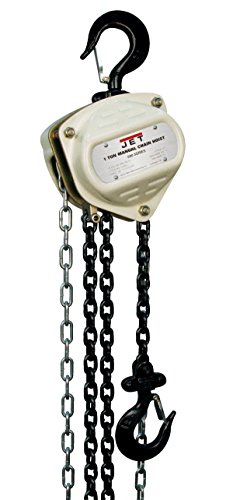 Representative Photo, actual item may vary
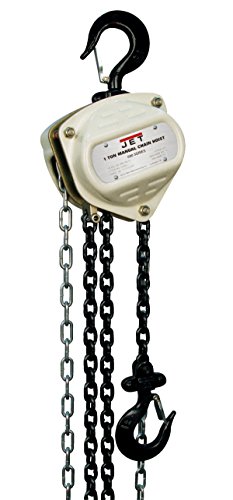 Representative Photo, actual item may vary
What Is a Chain Hoist and Why Do You Need One?
A chain hoist is a mechanical lifting device designed to raise, lower, and hold heavy loads with precision and control. Whether you're pulling an engine out of a vehicle, positioning a transmission, or moving heavy equipment around your shop, a chain hoist gives you the mechanical advantage to handle loads that would otherwise be impossible — or dangerous — to move by hand alone. For anyone serious about garage work or workshop projects, a chain hoist is an essential piece of equipment.
At its core, a chain hoist uses a hand chain or electric motor to drive an internal gear system, which in turn moves a load chain to lift the load. Manual (hand chain) hoists are ideal for occasional lifts and locations where electricity isn't available — they're lighter, simpler, and easier to maintain. Electric chain hoists take things further, offering push-button or remote-controlled operation that makes repetitive or heavy lifts far less fatiguing.
Common Uses in the Garage and Workshop
Chain hoists are remarkably versatile tools. Some of the most common applications include:
- Engine and transmission pulls – Removing or reinstalling a powertrain is one of the most frequent uses for a chain hoist in any automotive garage.
- Lifting heavy components – From differentials and axle assemblies to large fabricated parts, a hoist lets you position loads precisely without back strain or safety risks.
- Wheel and tire changes on large vehicles – Trucks, RVs, and trailers often require more than a standard floor jack, making a hoist invaluable for safe lifting.
- Workshop and storage organization – Chain hoists can help you move heavy toolboxes, equipment, and materials when rearranging your space.
- Fabrication and assembly – Machine shops and fabricators rely on hoists to position steel, weld assemblies, and install components with accuracy.
Manual vs. Electric Chain Hoists
Choosing between a manual and electric chain hoist depends primarily on how often you'll be lifting and what kind of setup your space allows. A manual chain hoist is a practical, cost-effective choice for a home garage or independent repair shop — it avoids the installation requirements of a ceiling-mounted electric unit while still delivering reliable lifting performance. If your lifting needs grow to include frequent, heavy lifts on a regular basis, an electric chain hoist delivers better efficiency and reduces operator fatigue significantly.
What to Look for When Buying a Chain Hoist
Shopping for a chain hoist involves a few key considerations:
- Load capacity – Always match the hoist's working load limit (WLL) to the heaviest load you'll regularly lift, and factor in a safety margin.
- Lift height – Make sure the hoist provides adequate vertical travel for your workspace and the loads you handle.
- Chain material – Look for heat-treated or alloy steel chains, which offer high strength, wear resistance, and corrosion protection.
- Brake system – A reliable mechanical load brake keeps the load securely in place during lifting, lowering, and positioning, reducing the risk of accidental drops.
- Hook design – Rotating hooks with safety latches simplify rigging in tight spaces and help prevent loads from slipping.
- Headroom requirements – Low-headroom designs are available for shops with limited ceiling clearance.
Top Chain Hoist Brands
Dayton is a long-established name in industrial lifting equipment, offering a broad range of both manual and electric chain hoists suited to machine shops, fabrication environments, storage facilities, and general workshop use. Dayton's electric hoists are engineered for precise load positioning and feature user-friendly controls, while their manual hoists are built around smooth-operating roller and ball bearings with self-adjusting brakes and jamproof chain guides for dependable performance lift after lift.