


Media Blasting Media


 Representative Photo, actual item may vary
 Representative Photo, actual item may vary
 Representative Photo, actual item may vary

 Representative Photo, actual item may vary

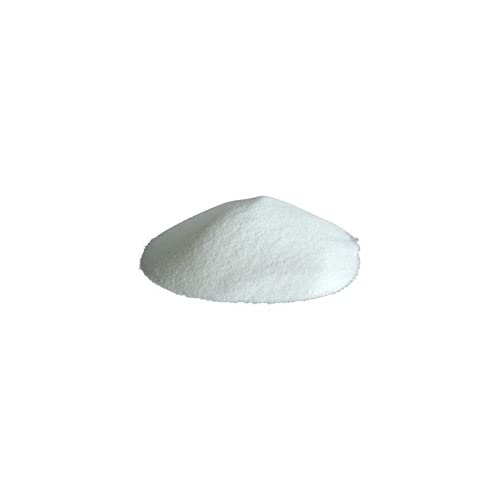 Representative Photo, actual item may vary
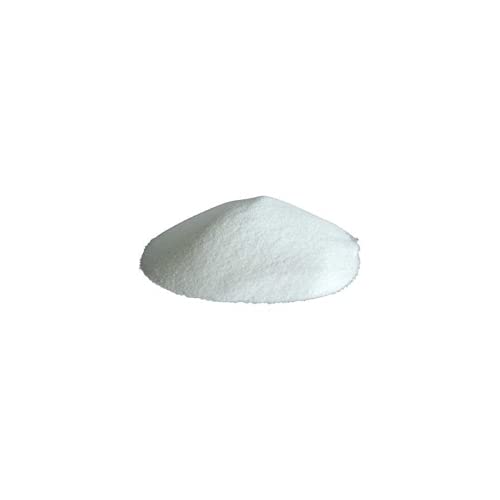 Representative Photo, actual item may vary


 Representative Photo, actual item may vary
 Representative Photo, actual item may vary

 Representative Photo, actual item may vary
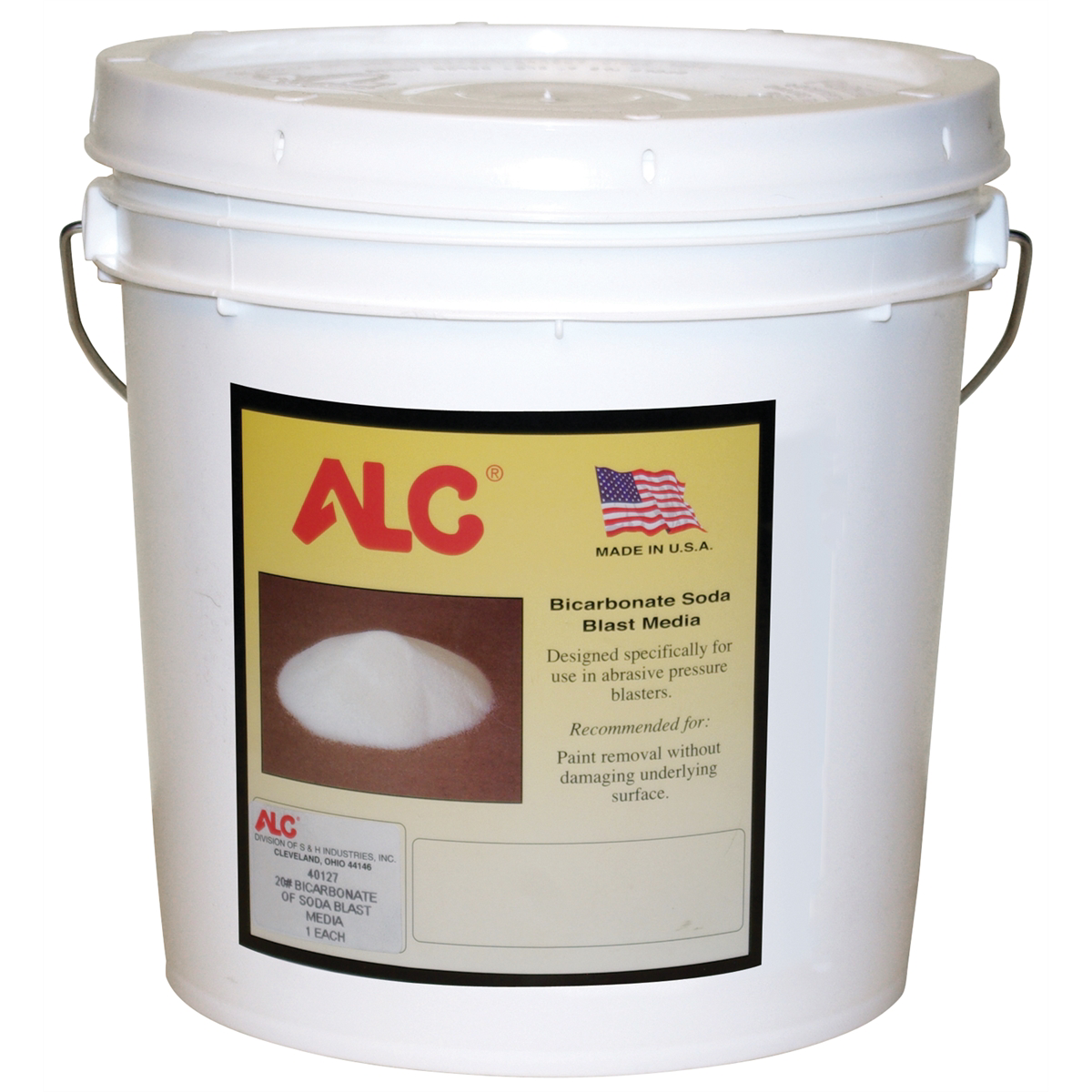 Representative Photo, actual item may vary


 Representative Photo, actual item may vary


Eastern Tools & Equipment ATD-8405 Glass Bead Abrasive for Blast Cabinets - 80 Grit, 50 lbs


What Is Media Blasting Media?
Media blasting — also known as abrasive blasting — is one of the most effective techniques in any automotive body shop or restoration garage. It is the process of propelling abrasive media at a surface to remove contaminants, paint, coatings, or other substances, and is also used to prepare a surface for powder coating or etching. The abrasive material used is the heart of the process: choosing the right media type determines the quality of your surface finish, the speed of work, and whether the underlying substrate is preserved or damaged.
Why Blasting Media Matters in Auto Body Work
In the automotive industry, media blasting is used for paint removal, rust removal, and surface preparation before painting or coating — employed in both the production of new vehicles and the restoration of classic cars. Unlike chemical strippers, abrasive blasting removes paint, debris, grease, and rust from parts or surfaces, and has grown in popularity because it is safer, more time and cost efficient, and provides a superior finish when compared to chemical strippers or solvents and manual techniques.
One of the most important decisions a technician or DIYer faces is matching the right media to the job. The greatest advantages will be achieved when the proper media blasting material is selected for a project, as each type of abrasive blast media has distinct characteristics that influence its performance.
Common Types of Blasting Media
- Aluminum Oxide: The most widely used abrasive grain in blast finishing and surface preparation because of its cost, longevity, and hardness, all while creating very little dust. It is sharper than sand and cuts twice as fast, leaving a smooth, textured finish with no pits or burrs.
- Glass Bead: Glass bead blasting produces a clean, bright, satin finish without dimensional change of the parts, and is primarily used in blasting cabinets for honing, polishing, peening, blending, finishing, and removing light burrs. In removing paint for auto body work, bead blasting is preferred over sand blasting, as sand blasting tends to create a greater surface profile.
- Steel Grit: If the operation requires a very aggressive approach and the surface material can withstand it, steel grit works quickly and removes a wide variety of contaminants — it is perfect for etching metal.
- Coal Slag: Coal slag is the most economical abrasive and is the best possible choice for large blast projects. It is ideal when you have to remove paint, rust, and scale from steel such as in truck or car frames, heavy machinery, and farm equipment.
- Organic Media (Walnut Shells, Corn Cob): Walnut shell abrasive media is a biodegradable, low-cost coating removal technology that offers a gentler alternative to traditional abrasive blasting media — crushed walnut shells are lightweight and angular and can effectively remove top coats without damaging underlying coatings.
Key Considerations When Shopping for Blasting Media
Before purchasing blast media, consider the hardness of the surface you're working on, the type of coating you need to remove, and whether you're using a blast cabinet or an open-air setup. Aluminum oxide is tougher than glass bead and can be used over and over again, making it one of the most economical abrasives for use in any reclaim system. For delicate body panels or thin-walled parts, a softer media like glass bead prevents over-cutting. For heavy rust on frames and structural components, more aggressive options like aluminum oxide or steel grit are the appropriate choice.
Top Brands in Media Blasting Media
ALC Tools is a leading name in abrasive blasting equipment and media. ALC is a proud manufacturer of quality abrasive blasting equipment made in the USA, and their media lineup spans aluminum oxide, glass bead, steel grit, coal slag, and more — covering virtually every surface preparation need a professional or serious hobbyist could encounter.