


Battery Fuse


Dorman 926014 Battery Fuse Circuit Breaker for Ford Lincoln Mercury

Dorman 926010 Battery Cable Circuit Breaker Fuse for Ford and Lincoln
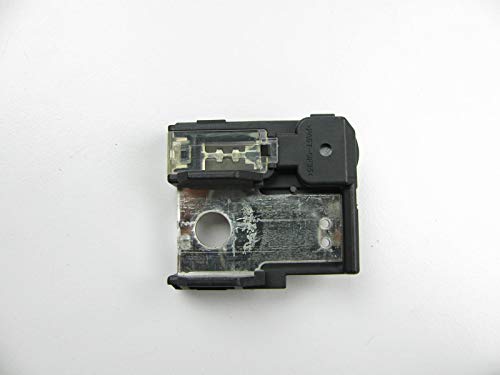 Representative Photo, actual item may vary

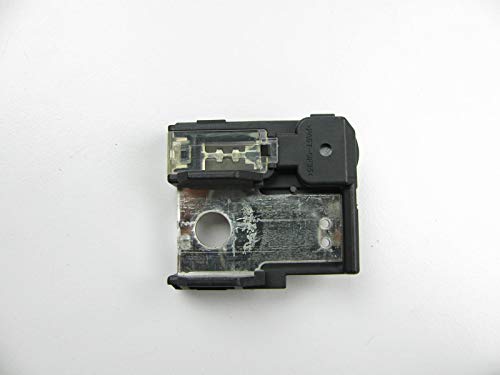 Representative Photo, actual item may vary


 Representative Photo, actual item may vary

 Representative Photo, actual item may vary
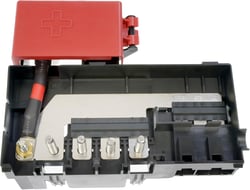
Dorman 956-599 Battery Main Fuse for Select Chevrolet/GMC Vehicles


What Is a Battery Fuse and Why Does It Matter?
A battery fuse is one of the most critical — and most overlooked — components in a vehicle's electrical system. Positioned between the battery and the rest of the vehicle's circuitry, this small but essential part acts as the last line of defense against catastrophic electrical damage. When a short circuit or sudden current surge occurs, the battery fuse is engineered to sacrifice itself before the overload can reach sensitive electronics, wiring harnesses, or other expensive components throughout the vehicle.
Modern vehicles carry an enormous amount of electrical load — from engine management computers and safety systems to infotainment units and auxiliary accessories. Without a properly functioning battery fuse, a single electrical fault can cascade into widespread damage, leaving you with a vehicle that won't start, damaged wiring, or in worst-case scenarios, an electrical fire. Keeping a healthy battery fuse in place is simply non-negotiable for safe, reliable vehicle operation.
Types of Battery Fuses
Battery fuses come in several designs depending on the application and current rating. The most common styles found in passenger cars and trucks include bolt-down fusible links, blade-style mega fuses, and ceramic cartridge fuses, typically rated anywhere from 30 amps to well over 200 amps. In dual-battery and auxiliary power setups — popular in overlanding, off-road, and marine applications — dedicated fuse kits protect both the primary start battery and secondary house batteries from cross-circuit faults.
When replacing a battery fuse, it is critical to match the amperage rating and physical form factor specified for your vehicle. Installing a fuse with too high a rating removes the protection it provides, while one rated too low will blow repeatedly under normal operating conditions. Always consult your vehicle's service manual or use a vehicle fitment tool to confirm the correct replacement part.
What to Look for When Shopping Battery Fuses
- Amperage Rating: Match the OE specification exactly — never substitute a higher-rated fuse as a "fix" for a repeatedly blown fuse.
- Physical Form Factor: Bolt-down, blade, and cartridge styles are not interchangeable. Confirm the correct type for your fuse box or inline holder.
- Material Quality: Look for fuses made from corrosion-resistant materials that maintain a solid, low-resistance connection over time.
- Application Fit: OEM-style replacement fuses engineered for specific vehicle makes, models, and years ensure a direct, trouble-free installation.
- Dual Battery & Auxiliary Systems: For off-road, overlanding, or marine builds with secondary battery systems, choose fuse kits rated for the full current draw of your system.
Top Battery Fuse Brands
Dorman is one of the most trusted names in OE-replacement battery fuses for passenger cars and trucks. Their battery fuses are engineered to match the fit, function, and performance of original fuses, designed to replace units that have failed due to circuit overload or corrosion. With over 100 years of aftermarket experience and an always-evolving catalog covering vehicles from chassis to body and hardware to complex electronics, Dorman offers vehicle-specific fitment across a wide range of makes and models.
REDARC brings a different but equally important perspective to battery fuse solutions, focusing on auxiliary and dual-battery applications for off-road, overlanding, and DC charging systems. Built tough for demanding environments, REDARC draws on over 40 years of expert knowledge in powering rigs and building off-grid vehicles. Their fuse kits are designed to provide a simple, neat fuse installation for dual battery systems , making them a go-to choice for anyone running a secondary power setup.