


Buffing Wheel
 Representative Photo, actual item may vary


 Representative Photo, actual item may vary


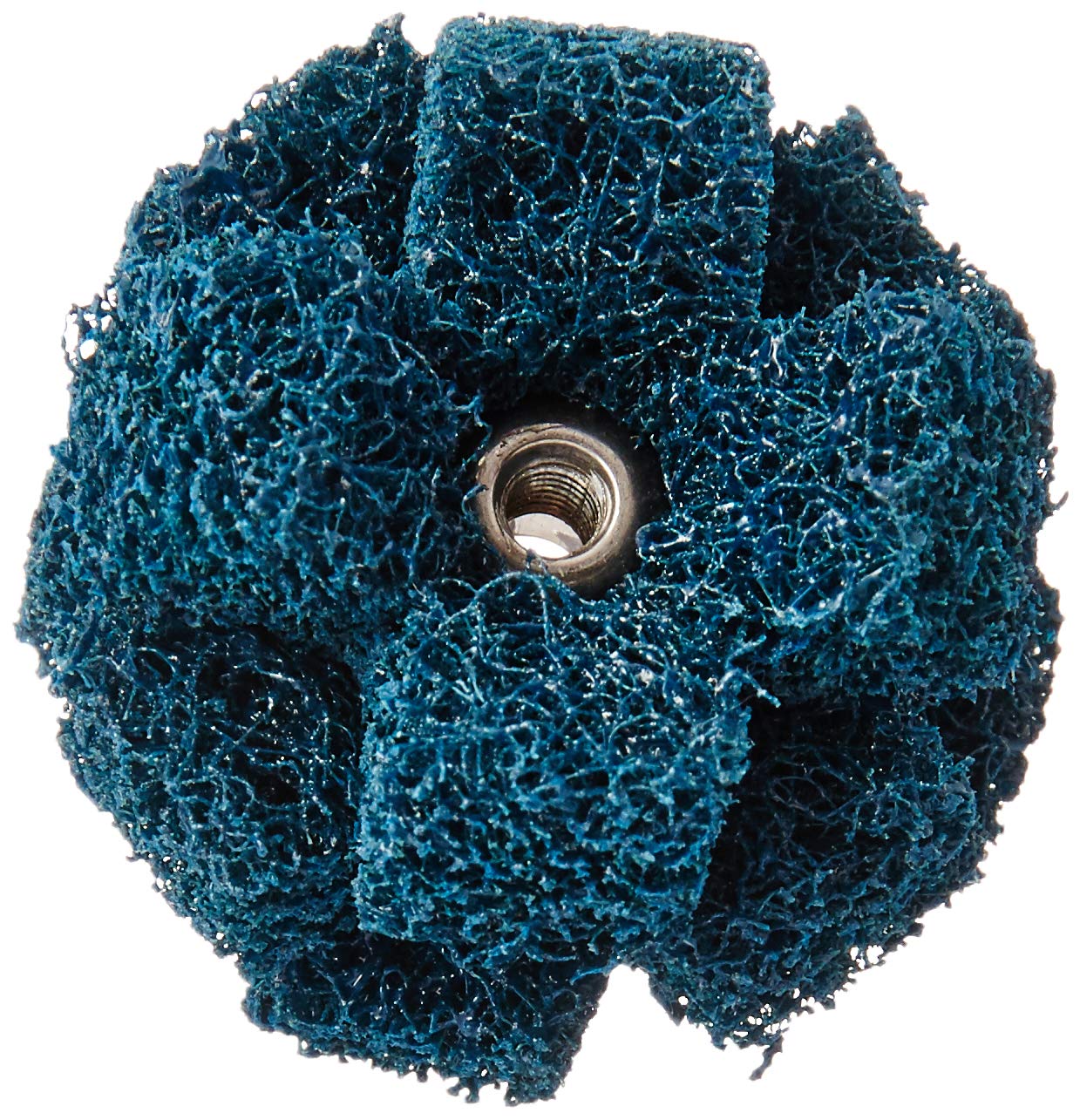 Representative Photo, actual item may vary


COMP Cams POW351910 Cross Buffs 1.5" Medium Aluminum Oxide Porting & Polishing Buffs 10-Pack


 Representative Photo, actual item may vary

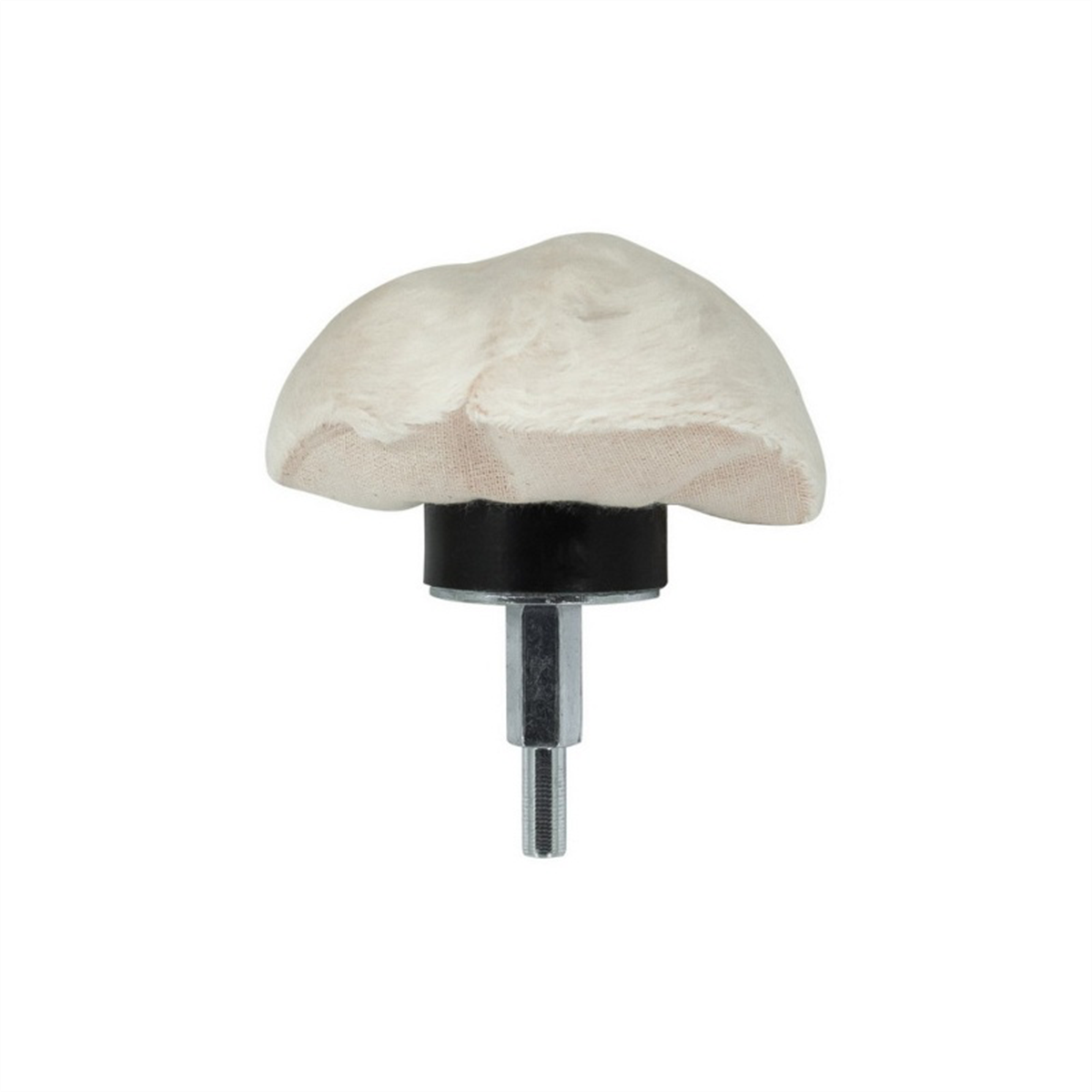
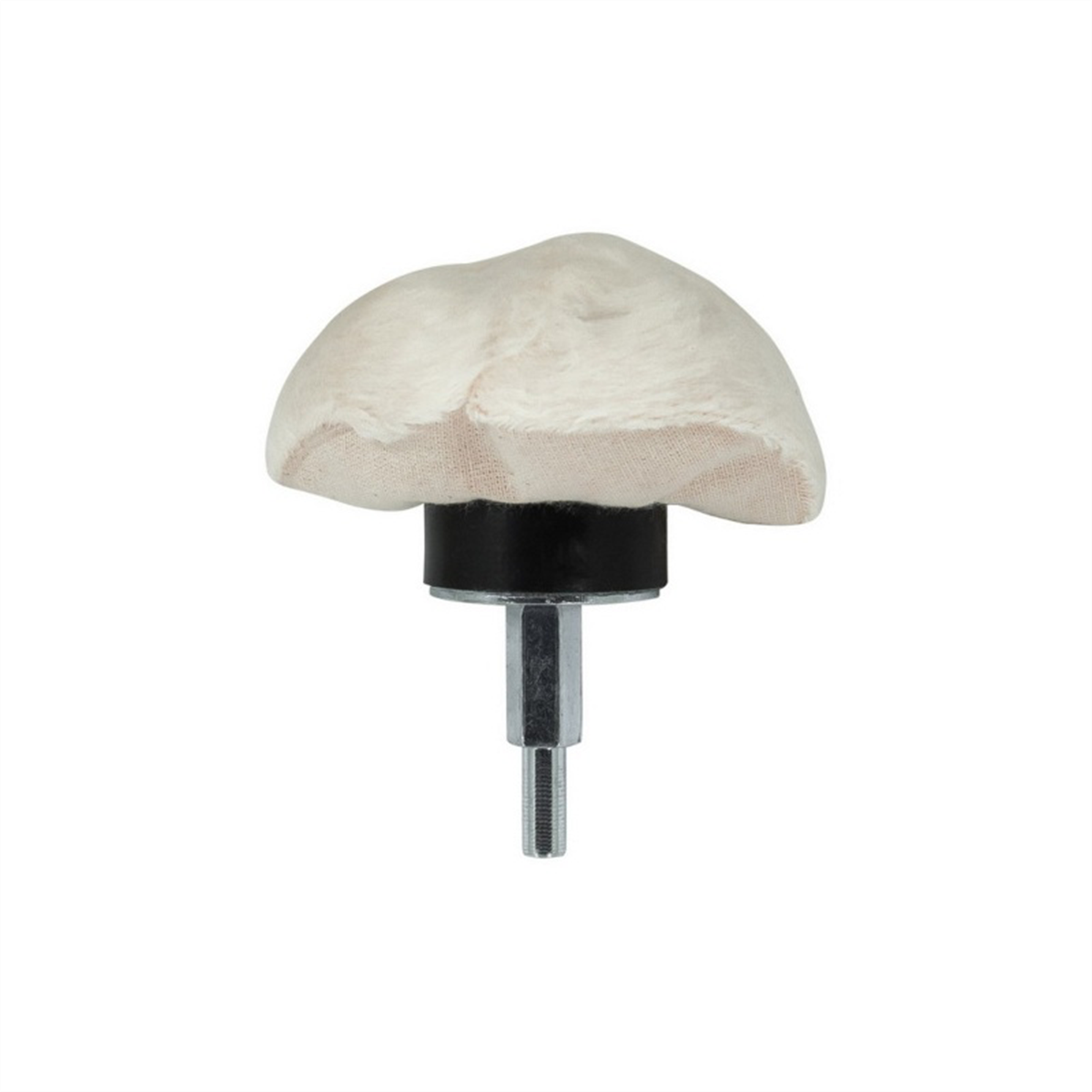
Milwaukee 49-93-2409 2-1/2" Flared Contour Buffing Wheel for M12 FUEL Tire Buffer

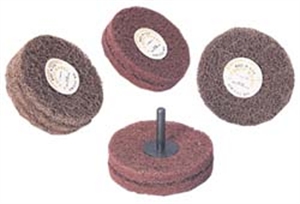 Representative Photo, actual item may vary
Standard Abrasives 051115-42547 Buff and Blend Combi-Wheel 3 Inch 80 Grit Aluminum Oxide


 Representative Photo, actual item may vary
 Representative Photo, actual item may vary

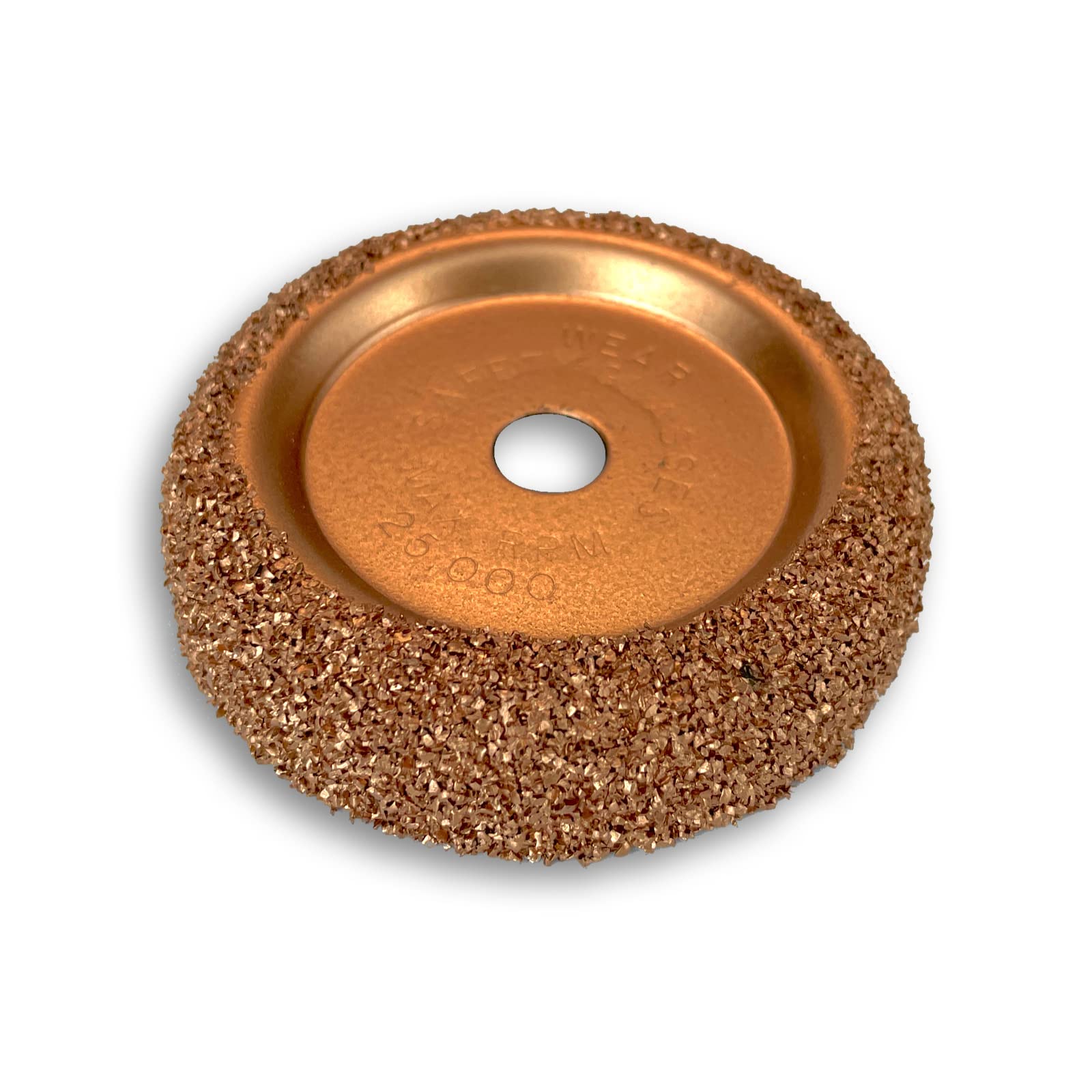 Representative Photo, actual item may vary


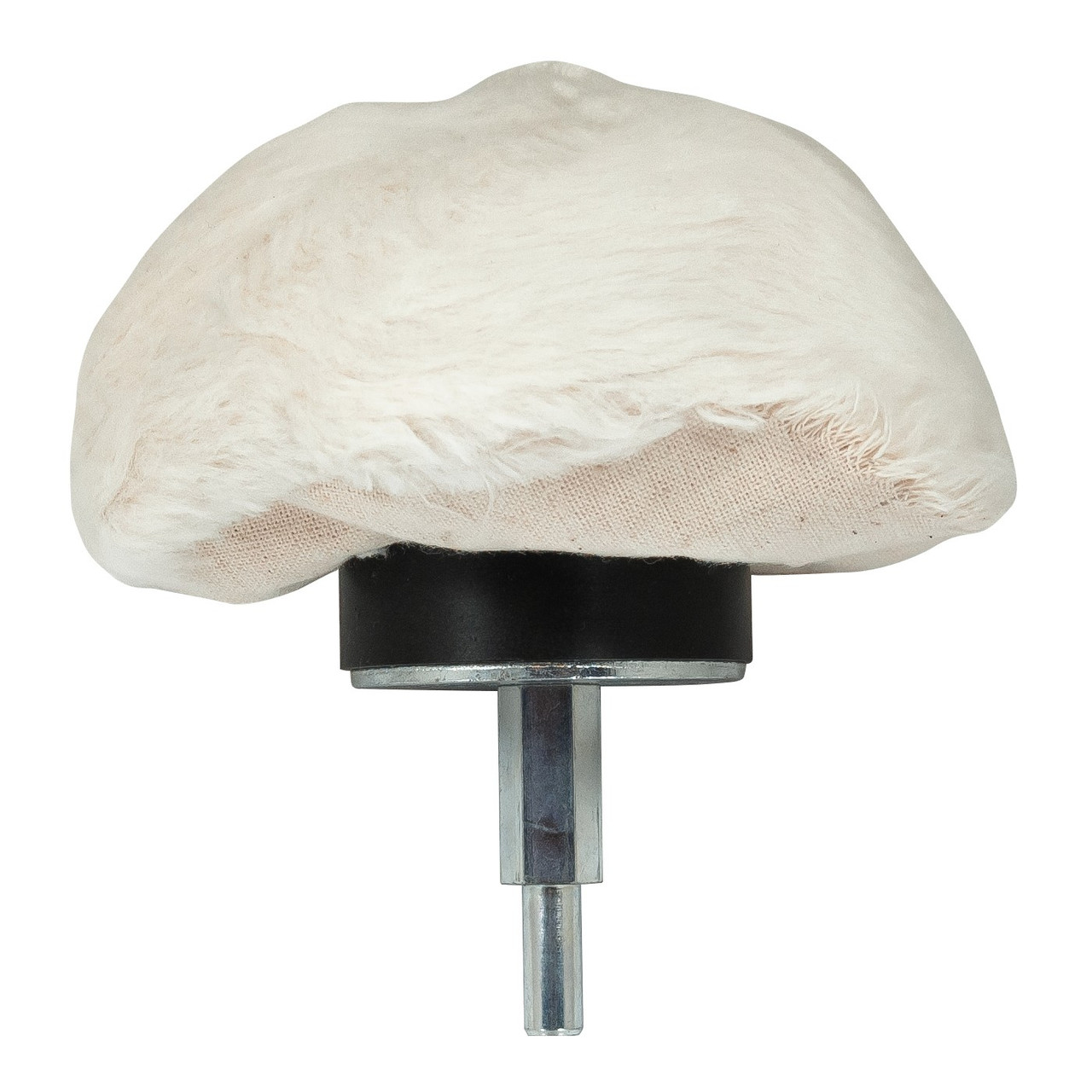 Representative Photo, actual item may vary

 Representative Photo, actual item may vary
 Representative Photo, actual item may vary

 Representative Photo, actual item may vary


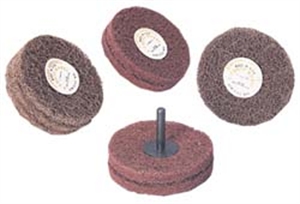
Standard Abrasives 051115-33008 Buff and Blend HP Cross Buff 1-1/2 Inch Very Fine Grade
 Representative Photo, actual item may vary
 Representative Photo, actual item may vary


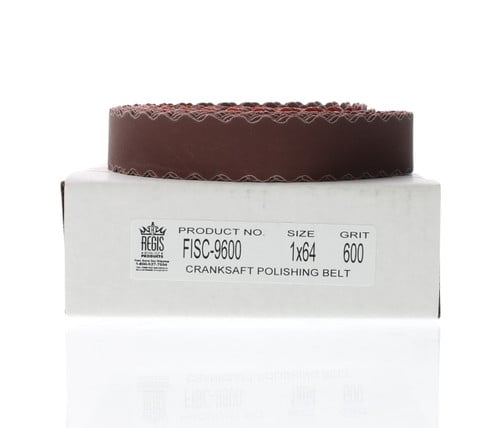
Regis Manufacturing FISC9600 Scalloped-Edge Crankshaft Polishing Belt 1x64 600 Grit
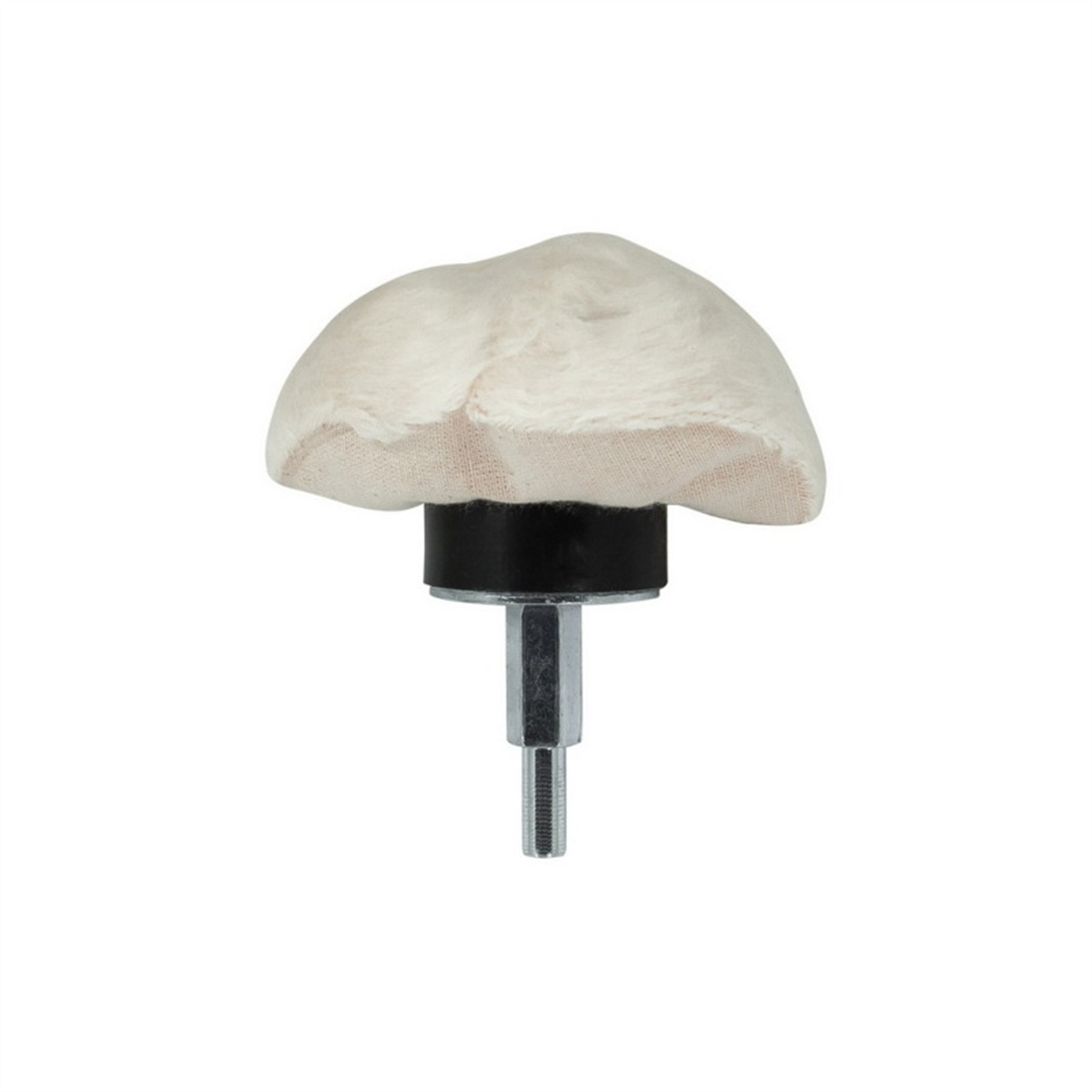 Representative Photo, actual item may vary


- 1
- 2
What Are Buffing Wheels and Why Do They Matter?
A buffing wheel is one of the most fundamental tools in any shop, garage, or detailing bay. Buffing wheels are rotating abrasive or fabric wheels — typically made from cotton, wool, foam, or non-woven synthetic fibers — that are spun at high speeds against a surface to smooth, polish, and refine it. Whether you're restoring a mirror shine to a classic car's chrome trim, correcting paint defects on a daily driver, or finishing a freshly welded aluminum panel, the right buffing wheel makes the difference between a dull, uneven result and a flawless, professional-grade finish.
Buffing and polishing are closely related but distinct processes. Buffing uses abrasive compounds to remove fine surface imperfections — oxidation, light scratches, and swirl marks — while polishing refines that surface further to maximize gloss and clarity. Both processes rely on matching the correct wheel material and aggressiveness to the job at hand: more aggressive cut wheels for heavy correction, softer polishing wheels for final finishing steps.
Choosing the Right Buffing Wheel
Selecting the right wheel comes down to a few key considerations:
- Material: Wool wheels are among the most aggressive and excel at heavy cutting and defect removal. Cotton spiral-sewn wheels are versatile workhorses for compounding on metal surfaces. Foam wheels offer gentler action for paint polishing and finishing, while non-woven abrasive wheels handle deburring and satin finishing tasks.
- Application: Are you polishing automotive paint, bare metal, stainless steel, aluminum, or chrome? Each surface has an ideal wheel type and compound pairing. Metal polishing — such as on engine parts, exhaust, or trim pieces — often calls for spiral or loose-sewn cotton wheels paired with Tripoli, white rouge, or jeweler's rouge compounds.
- Machine compatibility: Buffing wheels are used with bench grinders, buffing motors, rotary polishers, dual-action (DA) polishers, and even handheld drills. Always verify arbor hole size and maximum RPM rating before selecting a wheel.
- Ply and density: Multi-ply wheels offer added stiffness and durability for aggressive work, while single-ply options provide greater flexibility for reaching into curved or recessed areas.
Top Brands in Buffing Wheels
3M is a leading brand in this category for good reason. With a vast portfolio spanning automotive paint correction, metal finishing, and industrial applications, 3M offers buffing wheels engineered to precise performance standards — including their Scotch-Brite line of non-woven abrasive wheels ideal for satin and decorative finishing on metals.
S.M. Arnold is a trusted name in professional auto detailing, offering a comprehensive range of buffing pads and wheel kits suited for both shop professionals and DIY enthusiasts. Their product lineup includes micro buffing pads and kits specially designed for precision work in tight, hard-to-reach areas — a real advantage for detail-oriented finishing work.
Eastwood Company has deep roots in the buffing category — the brand literally started by selling buffing wheels and compounds from small ads in automotive magazines in 1978. Today, Eastwood offers complete buffing kits and individual wheels tailored for metal polishing on steel, stainless, aluminum, chrome, and brass, making them a go-to for restoration enthusiasts and home shop builders alike.
Buff and Shine rounds out the lineup with purpose-built buffing pads and wheels designed specifically for automotive paint care, offering options compatible with both rotary and DA polisher systems.