


Briggs & Stratton Jets


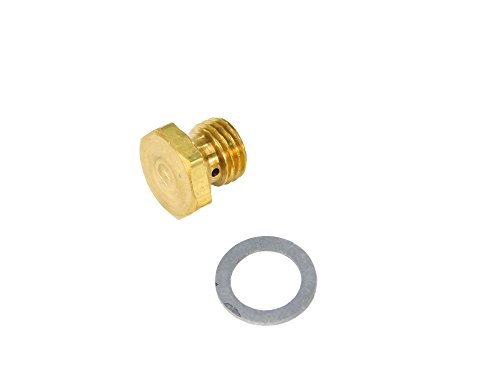 Representative Photo, actual item may vary


 Representative Photo, actual item may vary
 Representative Photo, actual item may vary
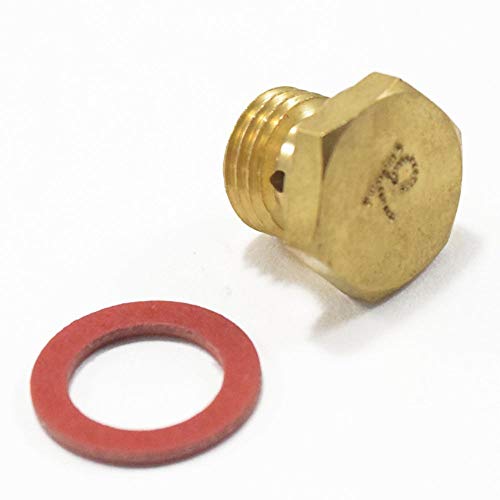 Representative Photo, actual item may vary


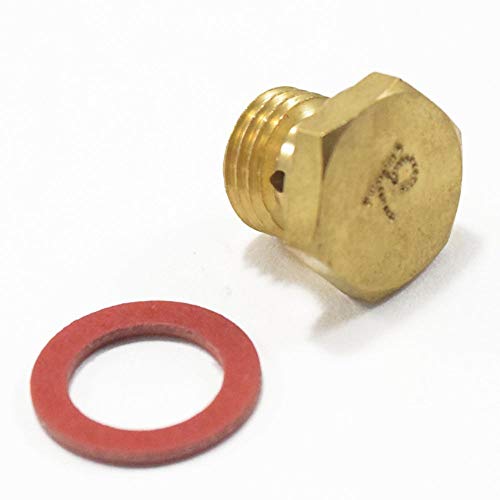 Representative Photo, actual item may vary
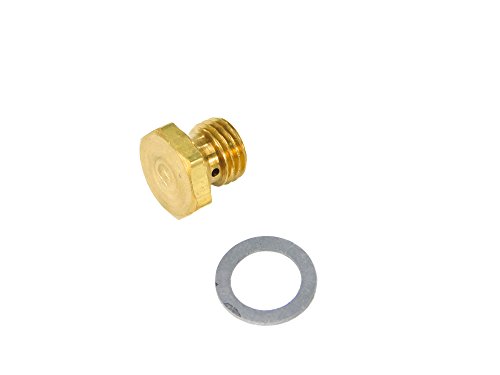 Representative Photo, actual item may vary
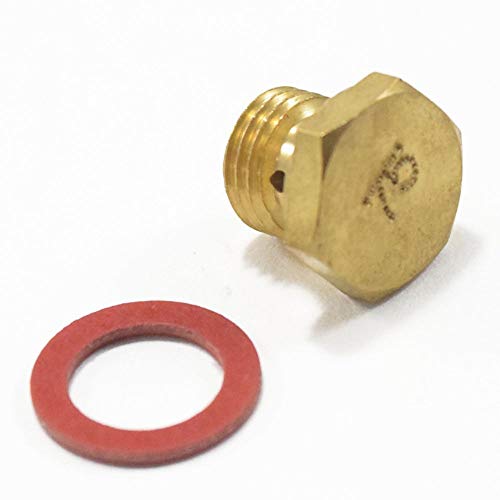 Representative Photo, actual item may vary
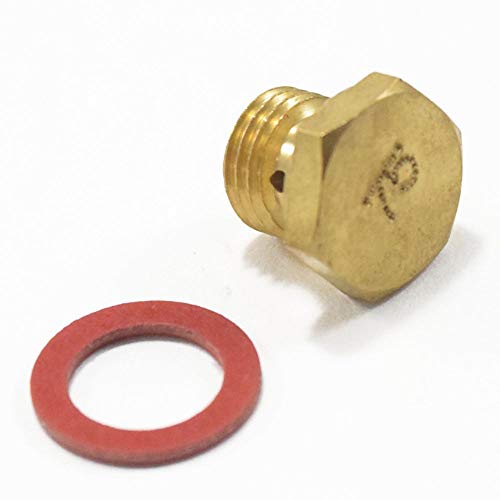 Representative Photo, actual item may vary


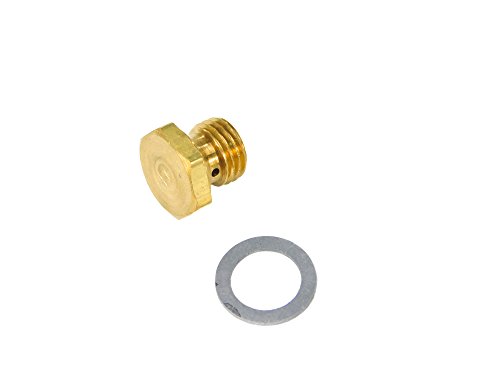 Representative Photo, actual item may vary
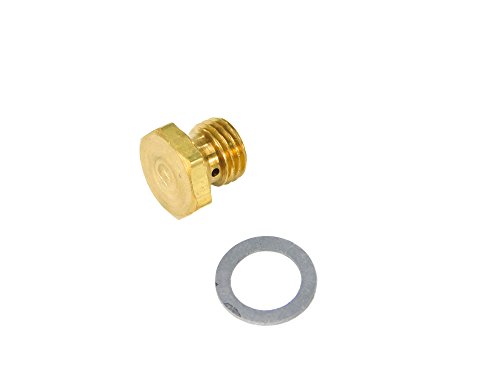 Representative Photo, actual item may vary
 Representative Photo, actual item may vary
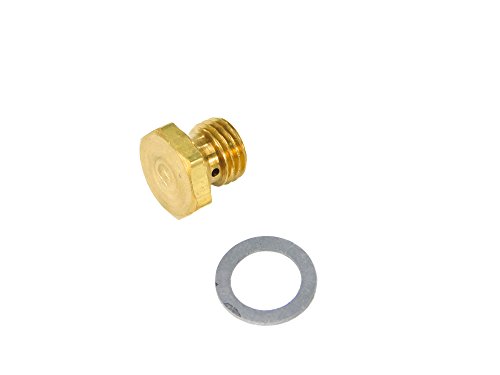 Representative Photo, actual item may vary
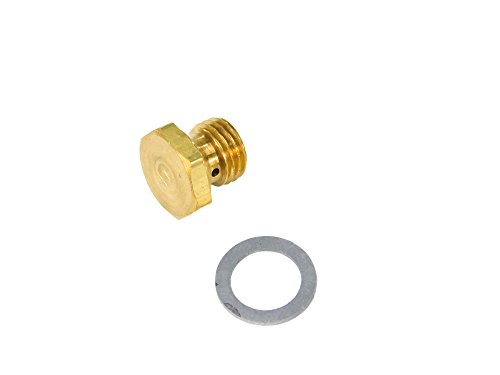 Representative Photo, actual item may vary
 Representative Photo, actual item may vary
 Representative Photo, actual item may vary
 Representative Photo, actual item may vary
 Representative Photo, actual item may vary
 Representative Photo, actual item may vary

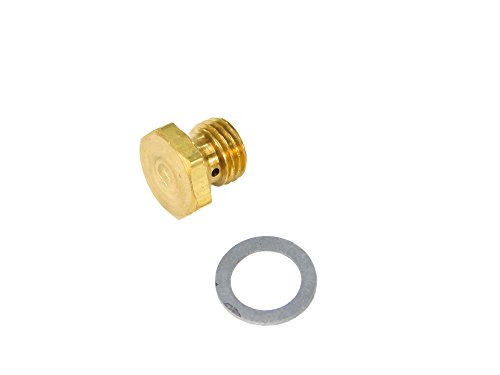 Representative Photo, actual item may vary
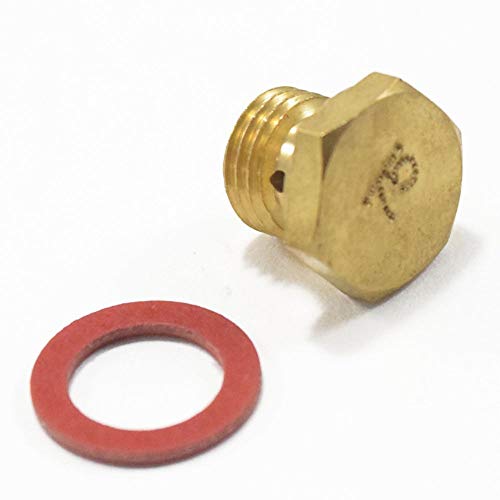 Representative Photo, actual item may vary
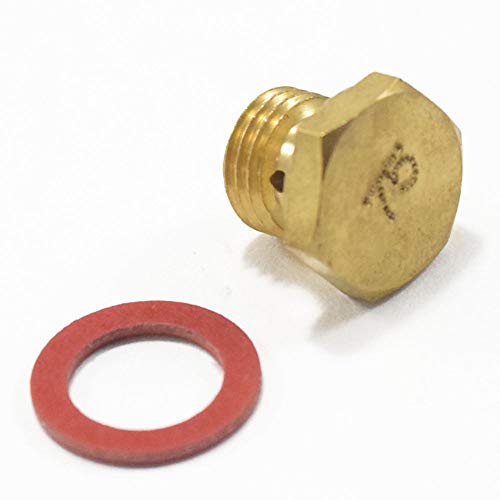 Representative Photo, actual item may vary
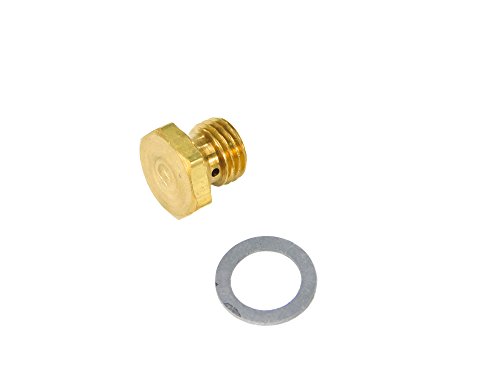 Representative Photo, actual item may vary

 Representative Photo, actual item may vary
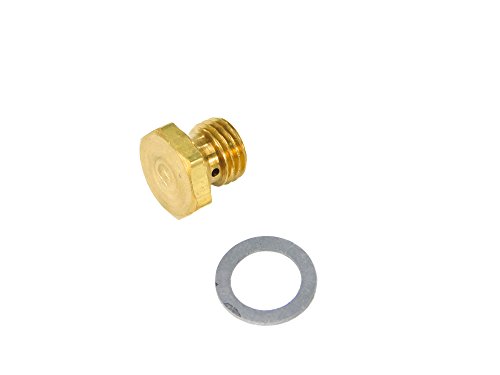 Representative Photo, actual item may vary
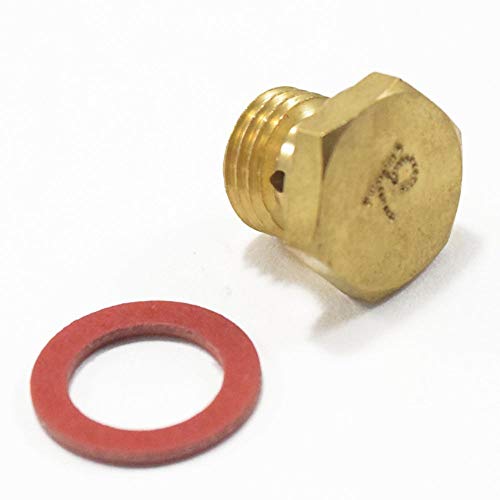 Representative Photo, actual item may vary

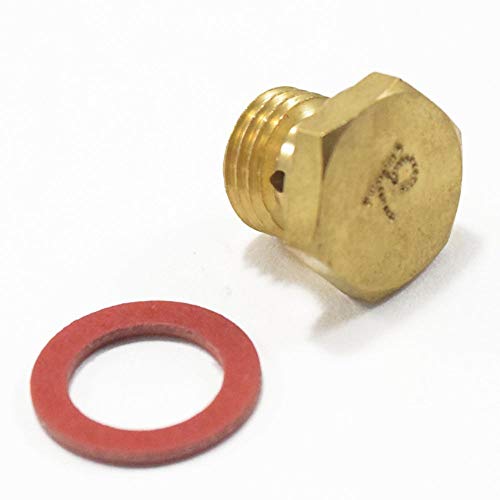 Representative Photo, actual item may vary
 Representative Photo, actual item may vary
 Representative Photo, actual item may vary
 Representative Photo, actual item may vary

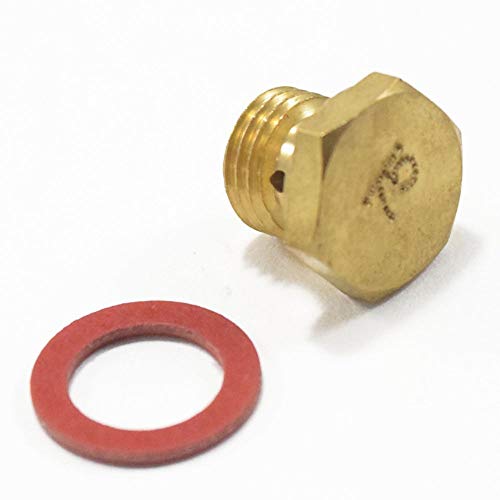 Representative Photo, actual item may vary
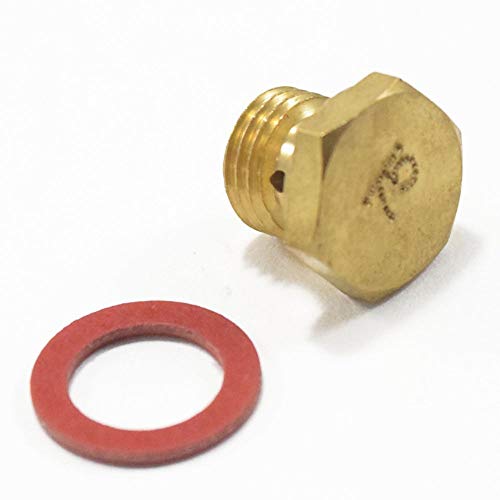 Representative Photo, actual item may vary
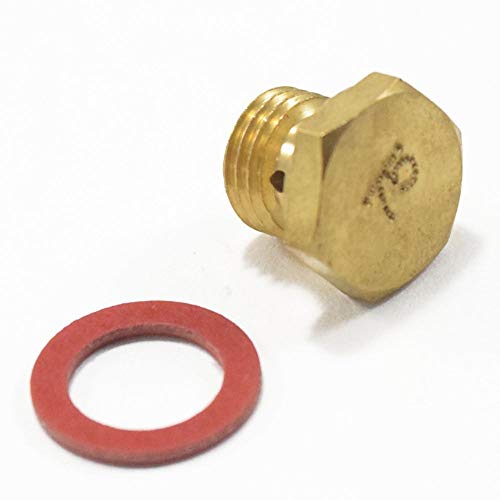 Representative Photo, actual item may vary


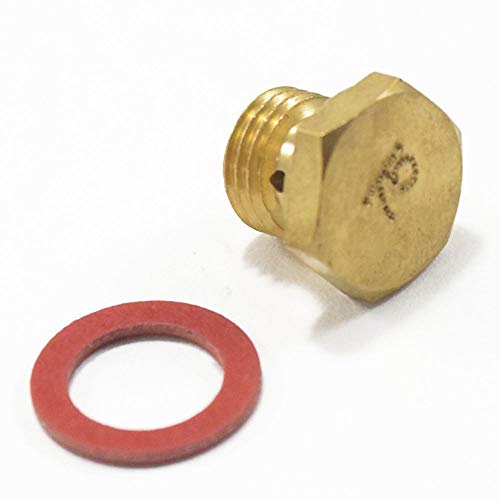 Representative Photo, actual item may vary
 Representative Photo, actual item may vary
 Representative Photo, actual item may vary
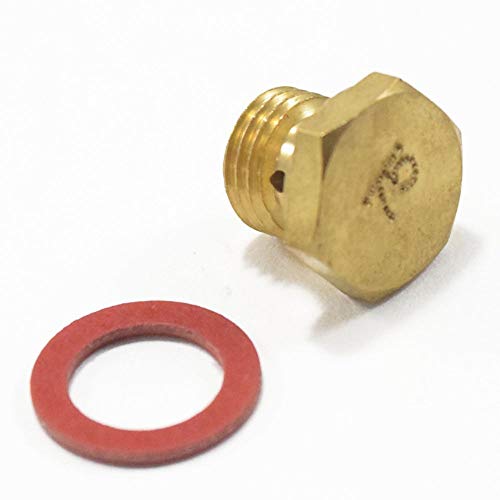 Representative Photo, actual item may vary
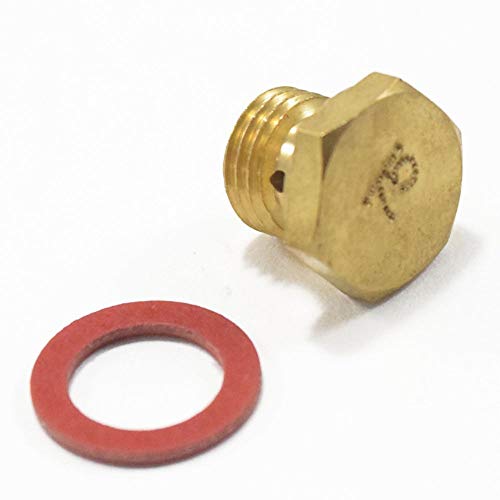 Representative Photo, actual item may vary
 Representative Photo, actual item may vary
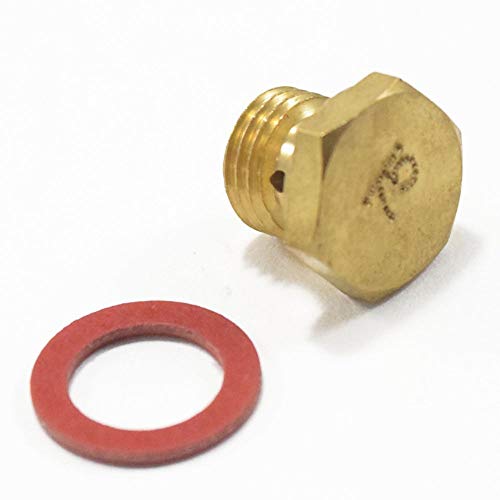 Representative Photo, actual item may vary
 Representative Photo, actual item may vary
 Representative Photo, actual item may vary
 Representative Photo, actual item may vary
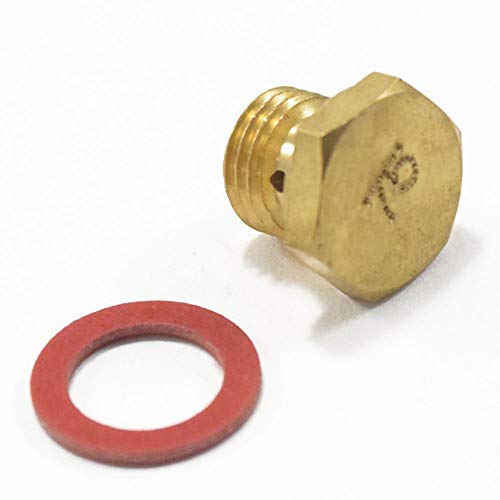 Representative Photo, actual item may vary
- 1
- 2
Briggs & Stratton Carburetor Jets: Precision Fuel Delivery for Small Engines
At the heart of every well-running Briggs & Stratton small engine is a carefully calibrated carburetor — and at the heart of that carburetor is its jet. Carburetor jets are small but critical components: they meter the exact amount of fuel that mixes with incoming air before combustion. When a jet is worn, clogged, or damaged, the result is poor starting, rough idling, loss of power, or excessive fuel consumption. Replacing a jet with a genuine OEM part restores the precise fuel-to-air ratio the engine was designed to run on.
Briggs & Stratton manufactures its jets to match the exact specifications of its own engine families, which is what separates genuine OEM parts from generic aftermarket alternatives. Only Briggs & Stratton genuine parts are specially designed to exact OEM standards, manufactured and tested to help deliver optimum performance in Briggs & Stratton engines. That engineering precision matters most in a component as tolerance-sensitive as a carburetor jet, where even a slightly wrong orifice diameter can throw off the entire fuel mixture.
Types of Jets Briggs & Stratton Offers
Briggs & Stratton's jet lineup covers several distinct carburetor functions:
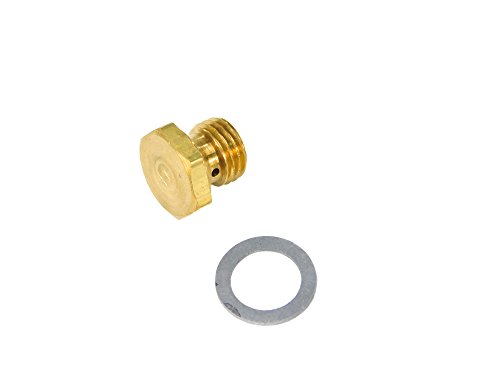
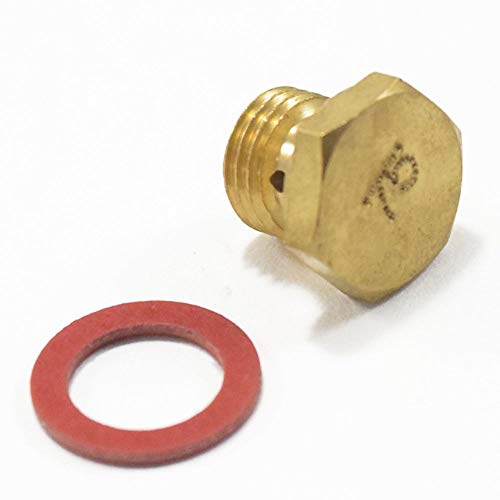
- Main Jets — The primary fuel metering component, the main jet controls fuel flow at mid-to-high throttle. Authentic main jets ensure consistent fuel flow, improving engine responsiveness and fuel efficiency while reducing emissions — and, manufactured to OEM standards, they fit perfectly in the carburetor system. Common OEM part numbers include the 592792, 594060, and 798660, spanning engine series from the compact 09P702 to the 104M02 and 104M05 families.
- Pilot Jets (Slow Jets) — Pilot jets regulate fuel flow at low speeds, ensuring smooth idling and reliable startup for outdoor power equipment. Briggs & Stratton offers multiple pilot jet variants — including part numbers such as 691250, 842740, 497472, and 801308 — engineered to deliver a stable idle under varying load and temperature conditions.
- Needle Jets — Needle jets are part of Briggs & Stratton's broader carburetor parts catalog and work in tandem with the jet needle to control fuel enrichment across the mid-throttle range, particularly in diaphragm-style carburetors.
The Flo-Jet Legacy and High-Altitude Jetting
Briggs & Stratton cast iron engines use the Flo-Jet carburetor, an updraft design, with the two most common variants being the Medium and Large 2-piece Flo-Jets. As air travels through the venturi, its pressure drops and fuel is drawn up through the main jet and emulsion tube, where low-pressure air mixes with and atomizes the fuel — and this air/fuel mixture continues through the intake valve and into the combustion chamber. Understanding this flow path helps technicians diagnose jet-related issues quickly.
Altitude is another key reason to replace or swap jets. Routine servicing such as rebuilding carburetors or replacing jets for high-altitude operation is perfectly acceptable and often necessary — thinner air at elevation requires a leaner jet to prevent a rich-running condition that robs power and wastes fuel.
Why Choose Genuine Briggs & Stratton Jets?
Genuine Briggs & Stratton jets are engineered to brand specifications for durability and reliability, are suitable for a wide variety of Briggs & Stratton carburetors and engine models, and ensure smooth throttle response and stable idling under all conditions. For anyone maintaining a lawn mower, snow blower, pressure washer, or generator powered by a Briggs & Stratton engine, sourcing the correct OEM jet — not a generic substitute — is the surest path to long-term reliability.