


Coolant Hose


 Representative Photo, actual item may vary


 Representative Photo, actual item may vary
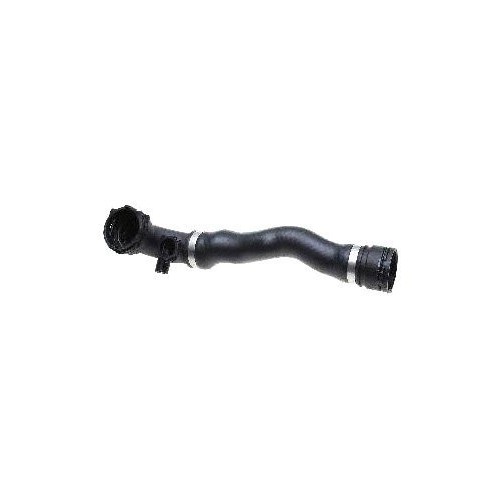 Representative Photo, actual item may vary

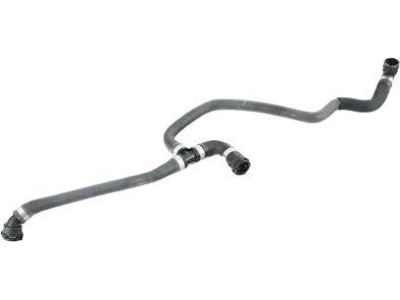 Representative Photo, actual item may vary


Genuine Land Rover LR019007 Intercooler to Upper Radiator Coolant Hose


 Representative Photo, actual item may vary


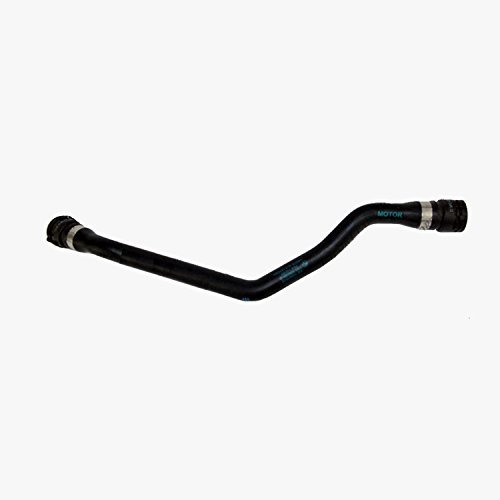 Representative Photo, actual item may vary
 Representative Photo, actual item may vary

 Representative Photo, actual item may vary


 Representative Photo, actual item may vary

 Representative Photo, actual item may vary
 Representative Photo, actual item may vary


 Representative Photo, actual item may vary


 Representative Photo, actual item may vary

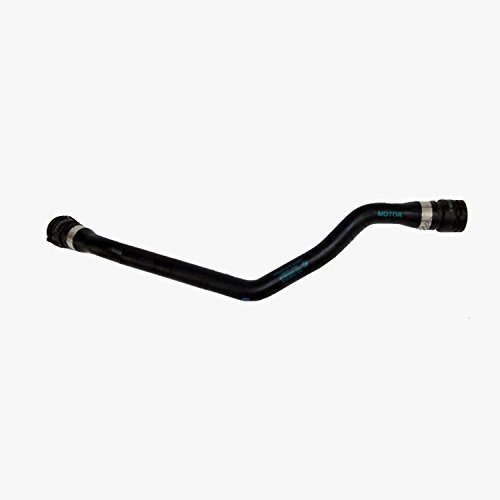 Representative Photo, actual item may vary


 Representative Photo, actual item may vary


Bapmic 11-53-8-651-265 Lower Coolant Water Hose Thermal Management Unit


Genuine BMW 17 12 9 894 740 Connector Water Hose Cooling System Front Main
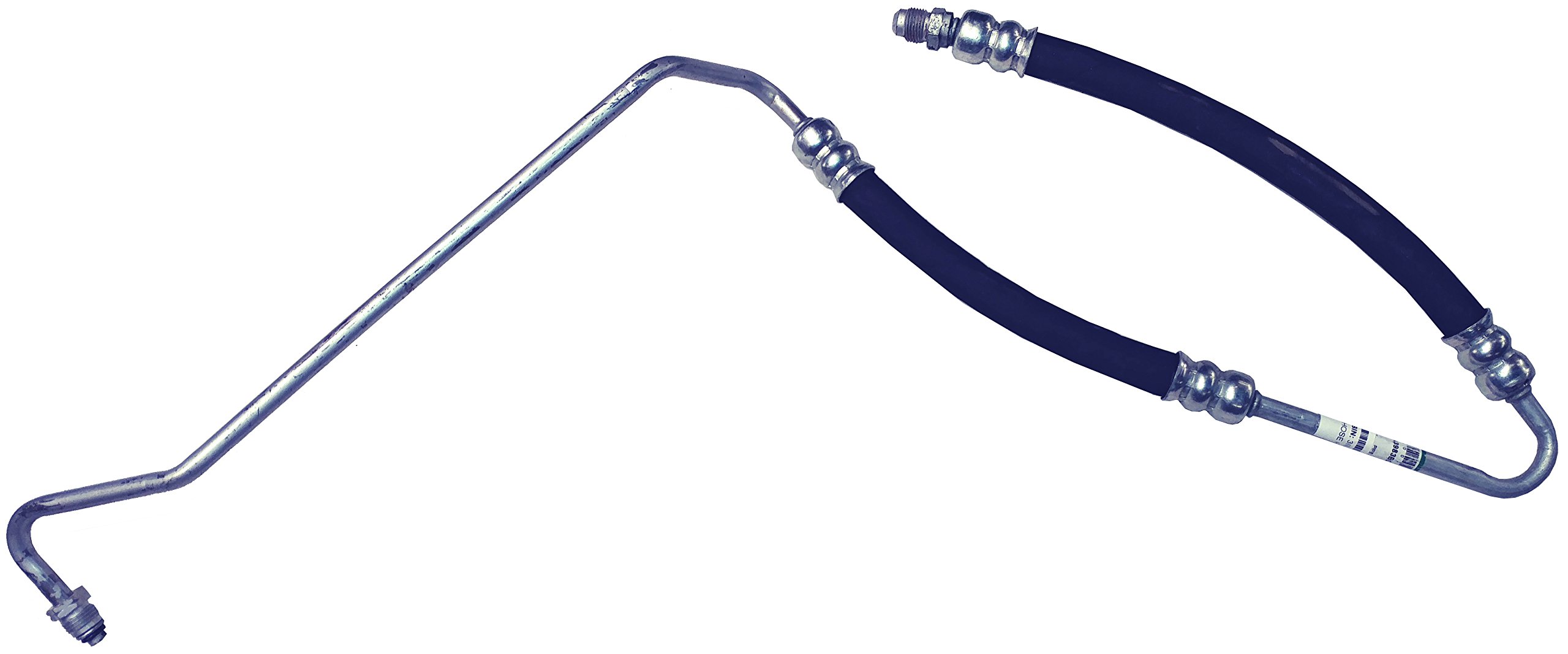 Representative Photo, actual item may vary



 Representative Photo, actual item may vary

 Representative Photo, actual item may vary
 Representative Photo, actual item may vary

What Is a Coolant Hose and Why Does It Matter?
A coolant hose is one of the hardest-working components under your hood. These flexible rubber or silicone conduits carry engine coolant — a mixture of antifreeze and water — between the engine, radiator, heater core, and other cooling system components. Without a properly functioning coolant hose, your engine's ability to regulate temperature is compromised, and the consequences can range from a minor inconvenience to catastrophic engine damage.
Every time your engine runs, it produces enormous amounts of heat. The cooling system's job is to absorb that heat and safely dissipate it. Coolant hoses are the circulatory veins of that system, keeping fluid moving continuously through components that would otherwise overheat within minutes. Upper radiator hoses, lower radiator hoses, bypass hoses, and heater hoses all play distinct roles in maintaining this thermal balance.
Signs Your Coolant Hose Needs Replacement
Coolant hoses are subjected to constant heat cycling, pressure fluctuations, and chemical exposure. Over time, the rubber or silicone material degrades. Knowing when to replace a hose before it fails can save you from a roadside breakdown — or worse, a blown head gasket. Watch for these warning signs:
- Soft or spongy feel: A hose that collapses under light pressure has lost its structural integrity.
- Hardness or cracking: Heat-hardened hoses are brittle and prone to sudden splitting.
- Visible swelling or bulging: Often near clamp ends, swelling indicates internal deterioration.
- Coolant leaks: Puddles of green, orange, or pink fluid under the engine bay are a red flag.
- Overheating engine: If the temperature gauge climbs unexpectedly, a hose failure may be reducing coolant flow.
Most mechanics recommend inspecting coolant hoses at every oil change and replacing them proactively every four to five years, regardless of visible condition — the interior of a hose can degrade well before exterior damage appears.
Choosing the Right Coolant Hose
When selecting a replacement coolant hose, fit and material quality are the two most critical factors. A hose must match the exact inner diameter, outer diameter, and routing geometry of the original equipment. Many vehicles use molded hoses — pre-shaped to navigate tight engine bay routing — while others use straight or flex hoses that can be trimmed to length. Material matters too: standard EPDM rubber hoses offer solid performance for everyday driving, while reinforced silicone hoses deliver greater heat resistance and longevity in high-performance or turbocharged applications.
Top Brands in Coolant Hoses
Gates is one of the most trusted names in engine cooling and power transmission. With over a century of engineering experience, Gates produces coolant hoses built to meet or exceed OEM specifications. Their product lineup spans molded radiator hoses, heater hoses, and specialty hoses designed for specific makes and models — making it straightforward to find a direct-fit replacement that installs correctly the first time.