


Headrest


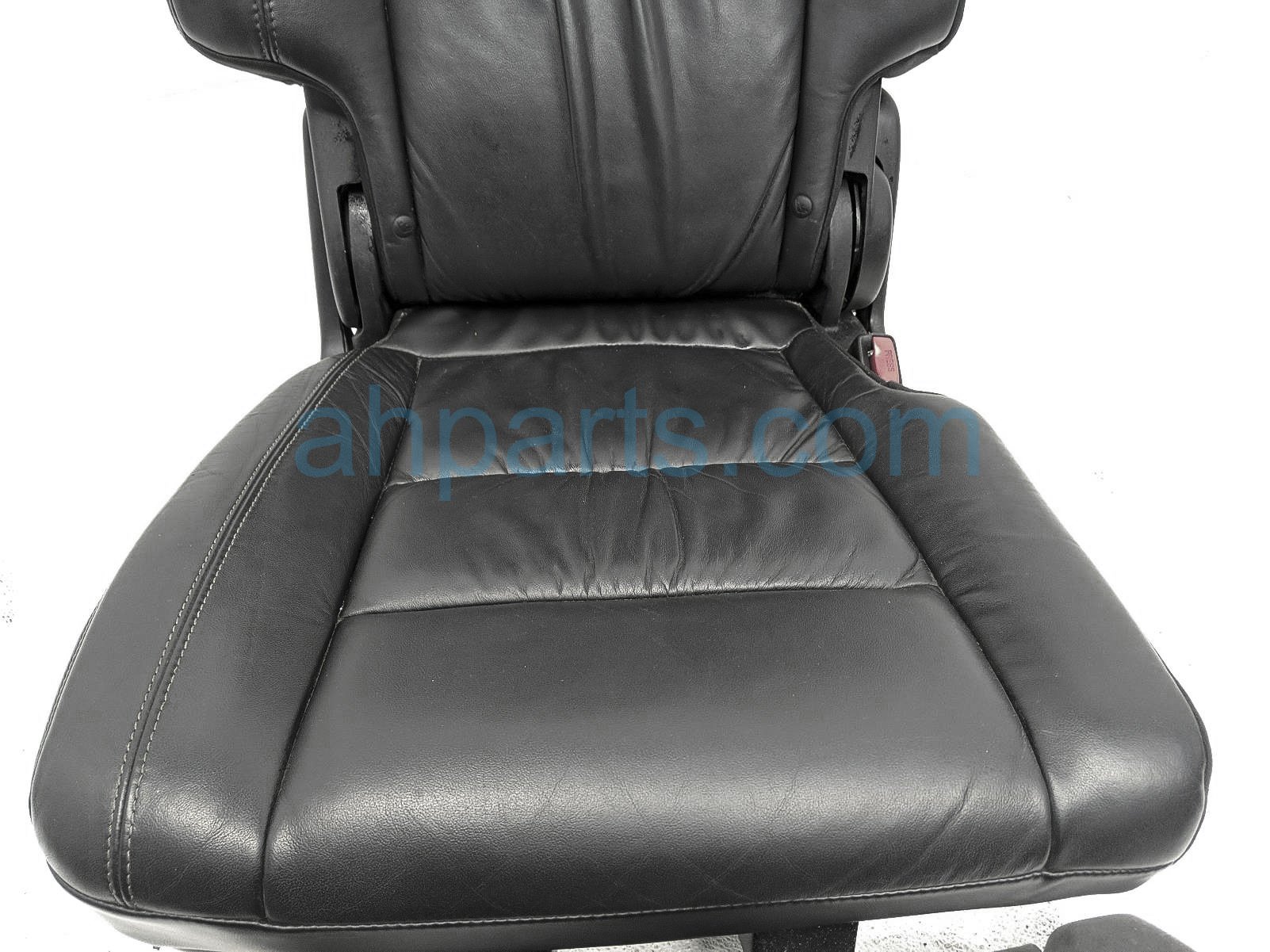 Representative Photo, actual item may vary


 Representative Photo, actual item may vary

What Is a Car Headrest — and Why Does It Matter?
Often overlooked during a restoration or interior refresh, the automotive headrest is far more than a comfort accessory. Head restraints — as they are technically called — are a critical passive safety component designed to limit the rearward movement of an occupant's head during a rear-end collision, reducing the risk of whiplash and cervical vertebrae injury. A properly positioned headrest can meaningfully lower the chances of neck injury in a rear impact, making this a component that deserves real attention whenever you're rebuilding or replacing seats.
The headrest has an interesting history. In the 1960s, headrests were optional equipment on most American cars — initially appreciated more for comfort than safety, particularly on luxury models. Over time, crash research revealed their protective value, and by 1969, Federal Motor Vehicle Safety Standard 202 mandated head restraints in the front seats of all new passenger vehicles. That regulatory shift means many classic cars produced before or during that transition era either came without headrests or featured early designs that may no longer meet modern standards — making quality replacement and restoration parts essential for owners of vintage vehicles.
Adjustable vs. Fixed Headrests
Modern automotive headrests come in two primary configurations. Fixed headrests are integrated into the seat back and non-adjustable, while adjustable headrests attach to the seat back via sliding metal posts, allowing height — and in some cases tilt — adjustment so occupants can correctly position the restraint relative to their head. For maximum protection, the top of the headrest should be at or near the top of your head, with the headrest as close to the back of your head as comfortably possible.
For classic car restorers, the right headrest can also mean the difference between a period-correct interior and one that looks out of place. Reproduction headrests must match original upholstery colors, stitching patterns, and mounting hardware to achieve a truly authentic look — details that separate quality restoration parts from generic substitutes.
What to Look for When Shopping for a Headrest
- Fitment accuracy — Confirm the headrest is designed for your specific vehicle year and seat style
- Color and material match — For classic cars, look for parts available in original factory color options
- Adjustment mechanism — Tilting-ratchet designs offer more flexibility for proper safety positioning
- Mounting compatibility — Verify post dimensions and seat back cutout compatibility
- Build quality — OEM-level foam density, vinyl or cloth grain patterns, and durable hardware matter for longevity
Top Brands in Automotive Headrests
When it comes to reproduction headrests for classic Fords and Mustangs, Scott Drake stands out as the industry leader. As the world's largest manufacturer of reproduction parts for classic Mustangs, Scott Drake produces headrests engineered to bring period-correct style and added safety to vehicles that originally shipped without factory head restraints — featuring thoughtful details like height adjustment and tilting-ratchet mechanisms, and offered in a range of original Mustang interior colors.