


Elring Turbocharger Oil Seal


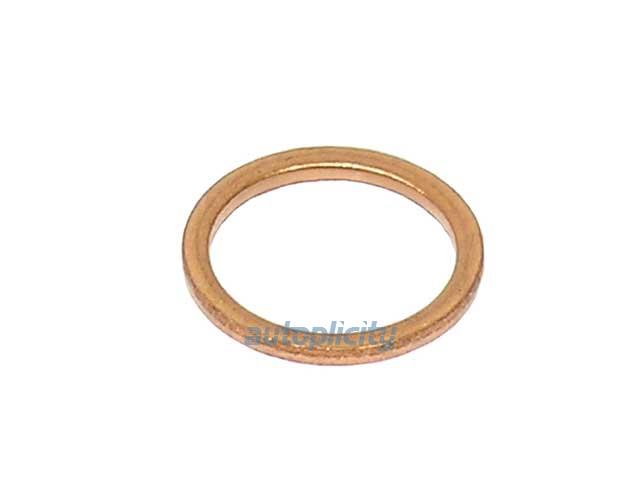 Representative Photo, actual item may vary


Elring Turbocharger Oil Seals: OE Sealing Know-How for Turbo Connections
A turbocharger spins at extreme speeds and sits in one of the hottest places on the engine, so every oil connection around it has to hold up under heat, pressure and constant oil exposure. Elring, the aftermarket brand of ElringKlinger AG, brings decades of original-equipment sealing experience to this job. The brand's turbocharger oil seals and oil line gaskets are built to keep oil flowing where it belongs and to prevent the leaks that can starve a turbo of lubrication.
Why Turbo Oil Sealing Matters
A turbo's bearings depend on a steady supply of clean oil from the feed line, and that oil must drain freely back to the pan through the return line. A weeping gasket at either connection can cause visible leaks, oil consumption, smoke from hot components, and in the worst case turbo failure from oil starvation. Because these gaskets are inexpensive compared with the turbo they protect, replacing them any time an oil line is disturbed is standard good practice among technicians.
What Sets Elring Apart
Elring's roots reach back to 1879, when Paul Lechler founded a company for technical products and gaskets in Stuttgart. Today the aftermarket range is sold under the "Elring – Das Original" name and is positioned around original-equipment quality, functional reliability and strong technical support for workshops. That heritage shows in the turbo range, which covers oil inlet (feed) gaskets, oil return line gaskets and related seals for a wide spread of European applications, including:
- Mercedes-Benz: oil line gaskets such as the 756.874 and 132.820, plus the 540.850 for Sprinter-platform applications.
- Audi and Porsche: the 793.200 oil line gasket, made from FPM (fluoroelastomer) to cope with high temperature and pressure.
- Volvo and other makes: specialty gaskets such as the 31251551 oil line gasket, with materials chosen for heat and constant oil contact.
Elring part numbers are cross-referenced to the original OE numbers, which makes it easier to confirm the correct replacement for a given engine. Many of these parts are precision-cut or elastomer-based designs, reflecting ElringKlinger's broader expertise in elastomer, metal-elastomer and hot gas sealing technology.
Shopping Tips
- Confirm the exact engine and connection style. Feed (inlet) and return (outlet) gaskets are different parts, and some applications distinguish upper and lower positions.
- Use a new gasket whenever the oil line or turbocharger is removed; never reuse an old one.
- Check the material. High-temperature elastomers and metal-reinforced designs are used where heat exposure is greatest.
- Replace related seals and hardware during a turbo installation or rebuild, and make sure the oil supply is clean before fitting a new unit.
To explore the wider range of this manufacturer's engine sealing products, visit the Elring brand page. For a broader look at how these components work and what to consider when choosing them, see the Turbocharger Oil Seal category page.