


Fuel Tank Selector Switch





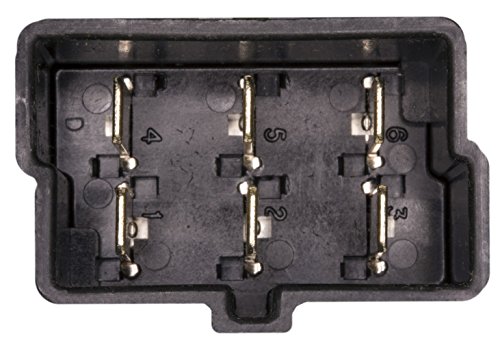 Representative Photo, actual item may vary

 Representative Photo, actual item may vary
Generac 10000021970 Fuel Switch GP3000i Inverter Generator OEM Replacement Part

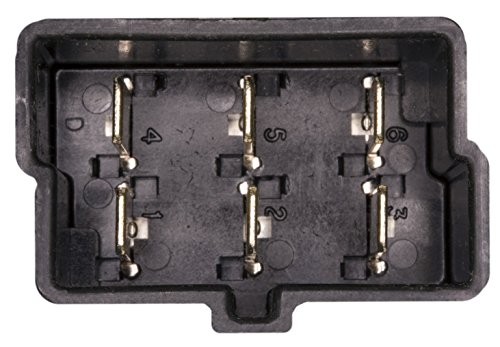 Representative Photo, actual item may vary


What Is a Fuel Tank Selector Switch?
A fuel tank selector switch is a mechanical or solenoid-operated valve that directs fuel from one of two (or more) fuel tanks to your vehicle's fuel pump and injection system. When the selector switch is activated inside the cabin, an electrical signal is sent to the selector valve solenoid to adjust the valve position and draw fuel from the appropriate tank. The driver initiates the switch by moving a dashboard selector control—typically a lever, knob, or electronic button labeled with "Front" and "Rear" or "Tank 1" and "Tank 2."
Who Needs a Fuel Tank Selector Switch?
Dual-fuel tank systems are standard on full-size pickup trucks, many RVs, and some commercial vehicles, offering extended driving range and flexibility for owners who travel long distances or need backup fuel capacity. Many dual-tank vehicles include separate fuel gauges or electronic readouts for each tank, so you can monitor remaining fuel in both and plan when to switch to avoid running a tank dry. Most modern selector switch designs allow you to switch between tanks without shutting down the engine, though you may experience a brief pressure drop during the transition.
Why a Functioning Selector Switch Matters
The fuel tank selector switch is one of the most underappreciated components in a dual-tank system, yet its failure directly impacts your ability to drive safely. The switch ensures fuel reaches your engine from the correct tank, preventing the common problem of stalling when one tank is depleted while the other sits full.
If the valve fails or becomes stuck, you may be unable to switch to the second tank even when the first is nearly empty, effectively cutting your usable fuel capacity in half and risking fuel starvation that can leave you stranded far from a gas station. A faulty selector switch can also cause erratic fuel gauge behavior: a faulty selector switch can send incorrect electrical signals to the fuel gauge, causing it to jump between empty and full or remain frozen at one level regardless of actual fuel quantity.
Signs Your Fuel Tank Selector Switch Needs Replacement
- Engine stalling: When the selector switch fails internally, it may lose electrical continuity or mechanical connection to one or both tanks, causing the fuel pump to lose prime and the engine to shut down without warning.
- Stuck on one tank: Mechanical wear, corrosion inside the fuel lines, or debris accumulation can prevent the valve from rotating or shifting to the new position. The symptom is that you cannot select the other tank—the switch lever moves but the valve does not respond, leaving one tank inaccessible.
- Erratic fuel gauge: Fuel gauge readings that are erratic or stuck are a key warning sign. A faulty selector switch can send incorrect electrical signals to the fuel gauge, causing it to jump between empty and full.
Shopping for a Fuel Tank Selector Switch
When sourcing a replacement, it's critical to match the switch to your exact vehicle year, make, and model. Fit, connector type, and port configuration all vary between applications—particularly between older carbureted trucks and modern fuel-injected platforms. Look for parts that meet or exceed OEM specifications to ensure a factory-correct fit and reliable long-term performance.
For trusted OEM-quality replacements, Standard Motor Products is the leading choice in this category. Established in 1919 and traded on the NYSE, Standard Motor Products (SMP) is a leading independent manufacturer, distributor, and marketer of replacement parts for motor vehicles in the automotive aftermarket industry. Their fuel tank selector switches are engineered to meet or exceed original equipment manufacturer (OEM) specifications, providing a factory-correct fit for a wide range of vehicles. Copper alloy conductors ensure superior electrical conductivity with low resistive losses, and their switches are tested to verify both mechanical and electrical switching performance before leaving the factory.