


Automatic Temperature Control Switch




Schneider Electric TC-5242 Low Temperature Duct Thermostat Manual Reset 15-55°F


Johnson Controls A19EAF-2 Duct Mount Temperature Control Thermostat 30-110°F SPDT 120-240VAC


Honeywell T6031A1227 SPDT Capillary Temperature Controller -35 to 30°C 5ft Cap


York S1-025-32655-000 SPST Manual Reset Temperature Control Switch 190°F


Johnson Controls A421ABC-03 Digital Temperature Controller 120/240V SPDT -40 to 212°F
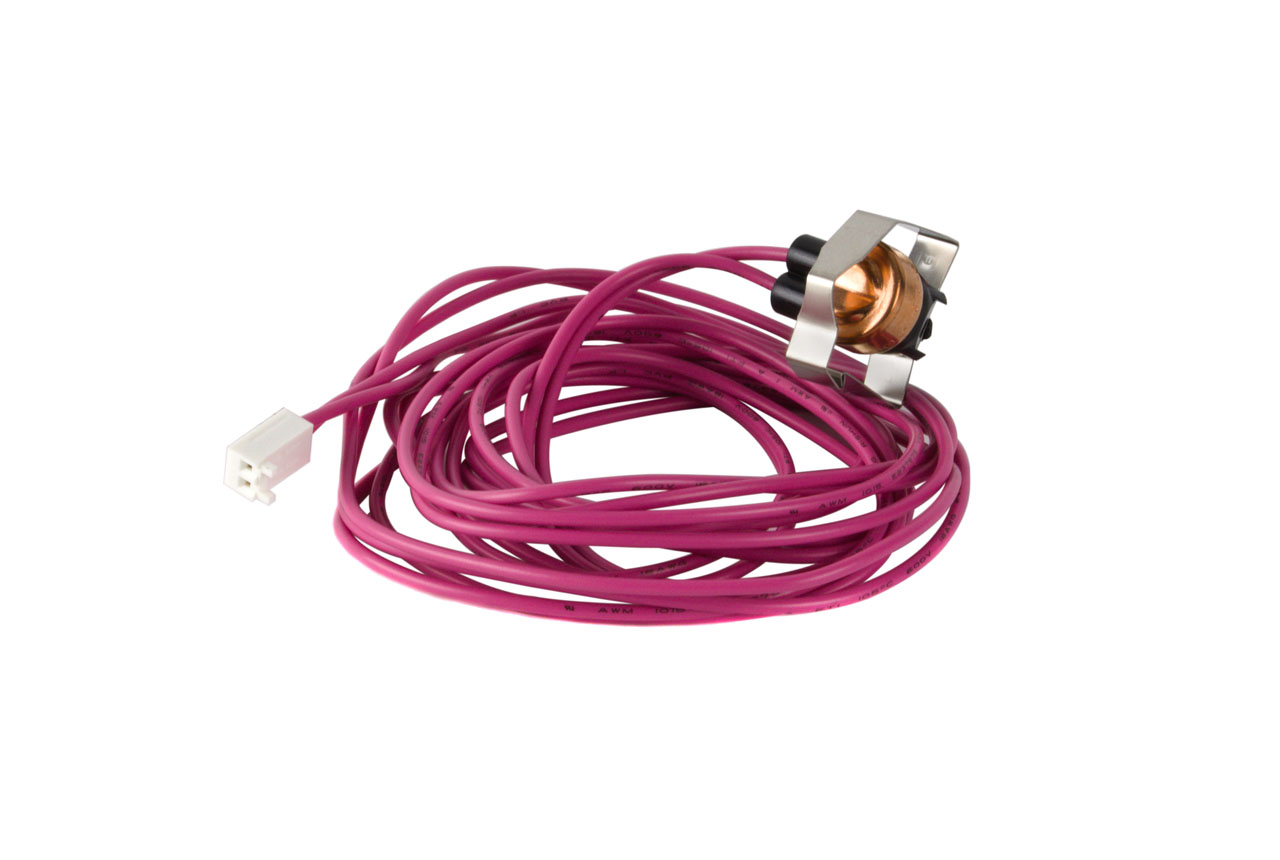 Representative Photo, actual item may vary


Johnson Controls A19EAF-2C SPDT Flange Mounted Duct Thermostat 30-110°F Range


What Is an Automatic Temperature Control Switch?
If you've ever set your cabin temperature to 72°F and trusted your car to handle the rest, you've relied on an Automatic Temperature Control (ATC) switch. Unlike a basic manual HVAC setup — where you physically dial in fan speed, heat, and airflow — an ATC switch is the interface that communicates your desired comfort level to the vehicle's climate control computer. From that single input, the system takes over.
Once a driver sets a target temperature, the system monitors the interior and automatically selects heating, cooling, or a blend — along with blower speeds — to maintain that desired temperature regardless of what's happening outside the vehicle. The ATC switch is the critical trigger point in this chain: it translates a driver's preference into an electronic signal the HVAC module can act on.
How ATC Switches Work in Your HVAC System
Modern automatic climate control relies on a network of sensors — including ambient air temperature sensors, in-cabin sensors, and evaporator temperature sensors — all feeding data back to a central controller. With automatic temperature control, a central controller uses sensor input to control airflow components and determine which route air takes through the HVAC module. The ATC switch sits at the human-facing end of this loop, and when it fails or degrades, the entire feedback chain breaks down.
Symptoms of a failing ATC switch can range from inconsistent cabin temperatures and unresponsive fan settings to complete loss of automatic climate regulation — forcing drivers back to manual control. Because these systems are deeply integrated with the vehicle's body control module and HVAC computer, a precise OE-matched replacement switch is essential for restoring proper function.
What to Look for When Shopping ATC Switches
- Vehicle Compatibility: ATC switches are highly application-specific. Always verify fitment by year, make, model, and trim level before purchasing.
- OE Form and Function: The best replacements match the original electrical connector, resistance values, and control logic to avoid triggering fault codes.
- Quality of Construction: Switches endure thousands of actuations over a vehicle's life — look for durable materials and proven aftermarket reputations.
- System Integration: On vehicles with dual-zone or tri-zone climate control, ensure the replacement switch is rated for the complexity of your specific setup.
Top Brands for Automatic Temperature Control Switches
Four Seasons is the industry's go-to name for automotive climate control components. As the largest aftermarket climate control parts supplier in the industry, Four Seasons backs its ATC switches with the engineering depth and broad vehicle coverage that professional technicians and DIYers alike depend on. Their parts are tested and validated before leaving the facility, ensuring OE-level fit and performance.
Zirgo brings a performance-oriented perspective to thermal management. Known for their high-performance cooling products including fans, temperature switches, and related accessories, Zirgo extends that same precision engineering to ATC components — making them a particularly popular choice among enthusiasts and custom-build applications where reliable temperature switching is critical to a complete cooling system.