


HVAC Heater Relay


 Representative Photo, actual item may vary


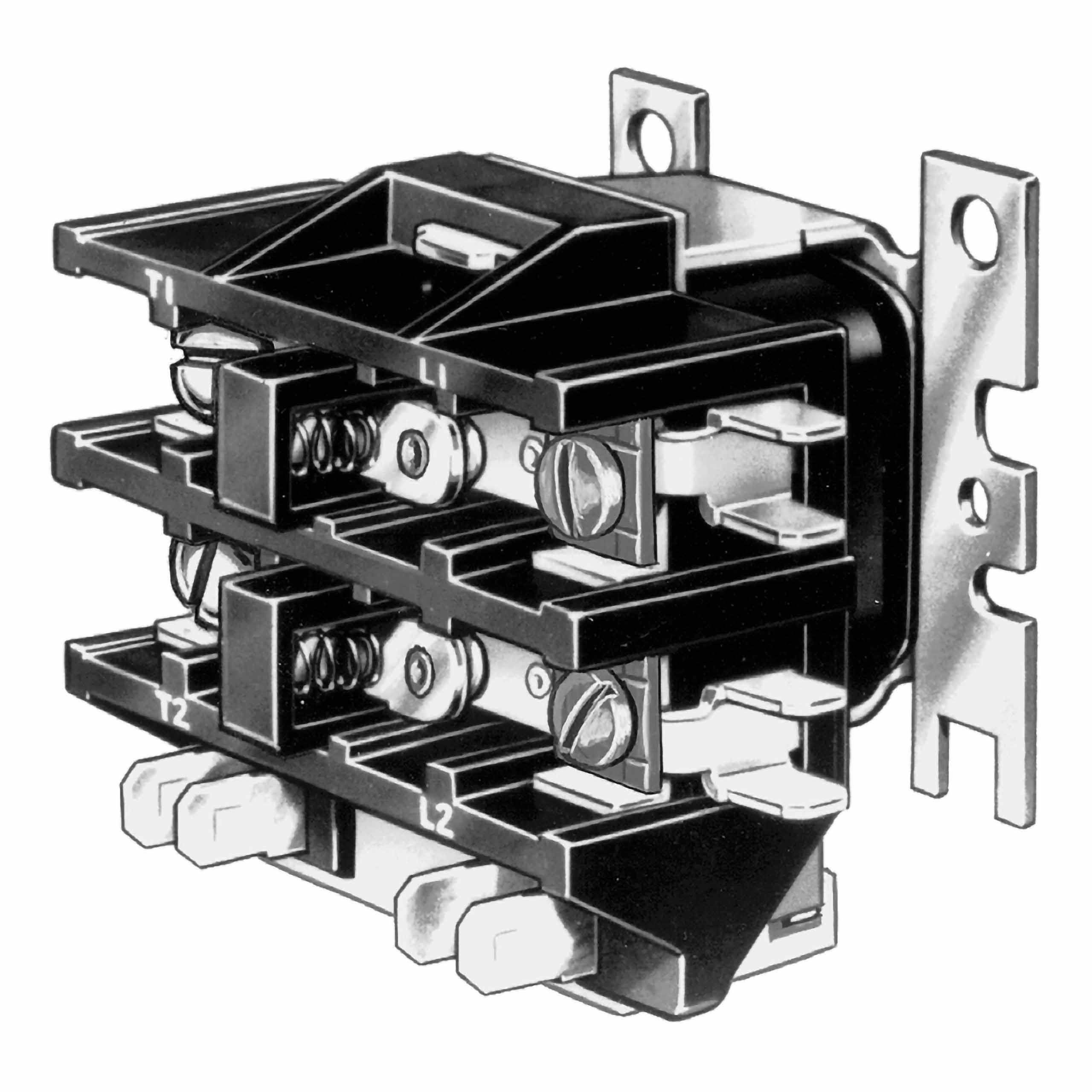 Representative Photo, actual item may vary
Resideo by Honeywell RC840T-347 Electric Heating Relay with Built-In 24V-347V Transformer



 Representative Photo, actual item may vary



 Representative Photo, actual item may vary


 Representative Photo, actual item may vary


 Representative Photo, actual item may vary

 Representative Photo, actual item may vary
 Representative Photo, actual item may vary


 Representative Photo, actual item may vary

What Is an HVAC Heater Relay?
The HVAC heater relay is one of those small, often-overlooked components that plays a surprisingly critical role in your vehicle's comfort. At its core, it is an electromagnetic switch that sits between your dashboard controls and the high-current circuits that power your blower motor and heating system. A blower motor relay acts as a remote-controlled switch, using a small electrical signal from your dash controls to manage the large amount of electrical current needed to power the blower motor. Without it, turning the heat dial on your dashboard would do nothing at all.
How Does an HVAC Heater Relay Work?
Understanding the relay's operation helps you appreciate just how elegant the design is. HVAC relays are electromechanical switches that control the flow of electricity to different components of your HVAC system, utilizing an electromagnet to control physical contacts and functioning as an intermediary between low-voltage control circuits and high-voltage load circuits. In practical terms, this means your low-voltage dash switch sends a small signal that energizes the relay's coil, which in turn generates a magnetic field that closes the high-current contacts — allowing full power to flow to the blower motor.
When the interior temperature falls below a set point, the thermostat sends a signal that prompts the relay to turn on, which causes the blower to operate and circulate the air inside the vehicle. A key function of the heater relay is to use a small, low-current signal from your dashboard switch to manage a much larger, high-current circuit, which protects the delicate controls from the heavy power draw of the blower motor.
Why the Heater Relay Matters
More than just a simple switch, the relay plays an important role in protecting the circuitry throughout the HVAC system, and relays are often used in conjunction with fuses to prevent damage to the circuit due to current overload or malfunction. A failed relay doesn't just mean a loss of comfort — it can point to or contribute to broader electrical issues if left unaddressed.
Complete fan failure is the number-one symptom of a faulty blower motor relay — a completely failed relay typically results in the fan not working on any speed. In contrast, a bad blower motor resistor classically causes the fan to work only on its highest speed setting — a critical distinction for accurate diagnosis. Other warning signs include intermittent blower operation and blown fuses related to the HVAC circuit.
What to Look for When Shopping for a Replacement
When replacing an HVAC heater relay, an exact-fit replacement is far preferable to a universal unit. Key specifications to match include amperage rating, voltage (almost always 12V in passenger vehicles), terminal count, and terminal type (blade vs. spade). Durability features such as composite housings, copper or brass contacts, and manufacturing to certified quality standards are strong indicators of a long-lasting part. Always verify fitment against your vehicle's year, make, and model before purchasing.
Top Brands for HVAC Heater Relays
When it comes to trusted names in this category, Standard Motor Products stands out as the benchmark for OE-quality replacements. Established in 1919, Standard Motor Products is an independent manufacturer, distributor, and marketer of replacement parts for motor vehicles in the automotive aftermarket industry. Standard Motor Products relays are designed to exceed OEM specifications for accurate, maintenance-free operation, and are available in dozens of configurations for easy installation on countless applications.