


Genuine Steering Angle Sensor


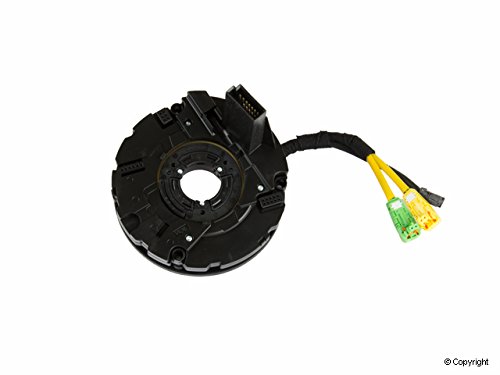 Representative Photo, actual item may vary
Why Genuine Steering Angle Sensors Are the Right Choice
The steering angle sensor is one of the most safety-critical components in a modern vehicle. Tucked within the steering column, it continuously monitors the position and rate of rotation of the steering wheel, feeding that data directly to the vehicle's electronic control unit. This real-time information is the backbone of systems like Electronic Stability Control (ESC), traction control, anti-lock braking, and electric power steering — all of which depend on knowing precisely where the driver intends the wheels to go.
When you browse the Genuine brand lineup, you're looking at parts built to the same exacting standards as the components that left the factory floor with your vehicle. Genuine OEM-grade steering angle sensors are engineered to match the original part's connector pinout, housing dimensions, calibration range, and signal output — so there's no guesswork during installation and no risk of triggering erroneous fault codes from a mismatched unit.
What Sets Genuine Steering Angle Sensors Apart
Aftermarket sensors can vary widely in quality, sometimes lacking the precise firmware mapping or internal calibration required to communicate correctly with a vehicle's electronic systems. A sensor that doesn't speak the same "language" as the ABS module or ESC controller can cause persistent warning lights, degraded handling response, or — in the worst case — complete loss of stability assist in an emergency situation.
Genuine steering angle sensors address this by adhering to OEM specifications from the ground up:
- Direct-fit compatibility — designed to match original equipment connector types, mounting positions, and torque specifications
- OEM-grade signal accuracy — calibrated to deliver the precise angular position and rate-of-turn data that stability and braking systems require
- Durable construction — built with materials suited to the thermal cycling, vibration, and electrical environment of the steering column
- Plug-and-play installation — mirrors the original design so technicians and experienced DIYers can complete the swap without custom adapters or coding in most applications
When to Replace Your Steering Angle Sensor
Steering angle sensors are designed to last the life of a vehicle, but they can fail due to moisture intrusion, connector corrosion, vibrational fatigue, or electrical surges from a weak charging system. Common symptoms of a failing sensor include an illuminated traction control or stability warning light, a steering wheel that feels less responsive than usual, and erratic behavior from the vehicle's ESC during cornering. Because so many active safety systems rely on this single sensor, prompt replacement with a quality part is essential — not just for driving enjoyment, but for occupant safety.
With seven Genuine steering angle sensor SKUs available across a range of vehicle applications, finding the right OEM-specification replacement is straightforward. Each part is sourced to restore factory performance and integrate seamlessly with the surrounding steering, braking, and chassis electronics.